


How long do oil-filled transformers last
Oil filled transformer units often last well beyond 30 years. Many, built in the 1980s, still run today. You need to understand what affects this lifespan because regular care prevents failures and saves money. Poor maintenance or heavy loads can cut service life in half. Changzhou Guanghui Transformer Manufacturing Co., Ltd. builds oil-immersed transformers you can trust for reliable and efficient power distribution.
Key Takeaways
Oil-filled transformers can last 25 to 40 years with proper care. Some may even exceed 40 years.
Regular maintenance, like checking oil quality and tightening connections, helps prevent failures and extends lifespan.
Choose a transformer with high-quality materials and design to ensure reliability and efficiency.
Monitor environmental conditions, such as temperature and humidity, to protect your transformer from damage.
Act quickly on signs of aging, like oil leaks or strange noises, to avoid costly breakdowns.
Oil Filled Transformer Lifespan
Average Service Life
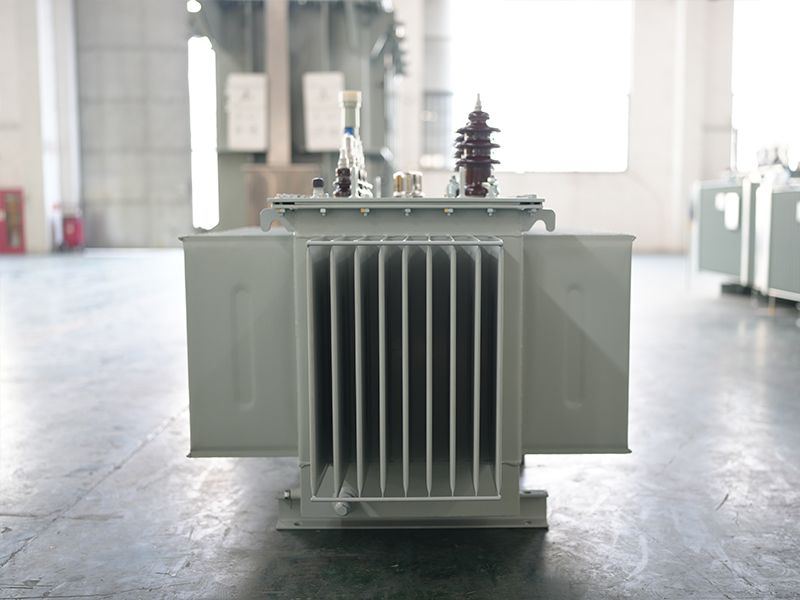
You can expect an oil filled transformer to last for decades if you take care of it. Most manufacturers design these units to work for 25 to 40 years. Some well-maintained transformers even run for more than 40 years. If you do not maintain your transformer, it might fail in just 15 to 20 years.
The average design life of a power transformer is between 25 to 40 years.
Well-maintained transformers can exceed 40 years of service.
Poorly managed units may fail within 15 to 20 years.
Changzhou Guanghui Transformer Manufacturing Co., Ltd. offers a 3-year warranty on every oil filled transformer. This matches the industry standard, where warranties usually range from 2 to 5 years. You get peace of mind knowing your equipment is protected from the start.
Factors Affecting Longevity
Many things can change how long your oil filled transformer will last. The table below shows the main factors and how they affect your equipment:
Factor | Description |
|---|---|
Overheating | Excess current creates thermal stress, which ages insulation and shortens lifespan. |
Short Circuits | Strong forces can bend coils and cause faults inside the transformer. |
Poor Manufacturing Quality | Weak construction can lead to problems when the transformer faces stress. |
Moisture Presence | Water inside the transformer lowers insulation strength and can cause dangerous failures. |
You can make your oil filled transformer last longer by choosing a unit with premium oil and a strong design. Clean oil helps cool the transformer and keeps the windings safe from heat. If you keep the oil free from dirt and water, your transformer will work better and last longer. Changzhou Guanghui uses high-quality oil and builds each transformer to handle tough conditions. Their products meet strict testing standards and hold certifications like ISO9001:2015 and ISO14001:2015. You can trust these transformers in many industries, from mining to real estate.
Tip: Always match your transformer to your actual load needs. Overloading can damage insulation and shorten the life of your equipment.
Exceptions and Outliers
Some oil filled transformers work far beyond the average lifespan. Others may stop working sooner if they face harsh conditions or poor care. Here are some real-world examples:
Location | Unit Details | In-Service Since | Status |
|---|---|---|---|
USA Utility Substation | 50 MVA, 138/13.8 kV, oil-immersed | 1975 | Active, refurbished |
European Grid | 25 MVA, 66/11 kV, natural ester oil | 1982 | Still in operation |
Asian Industrial Site | 10 MVA, 33/11 kV, standard mineral oil | 1979 | Monitored, operating |
Latin American Utility | 40 MVA, 110/22 kV, retrofitted cooling | 1978 | Expected +10 more years |
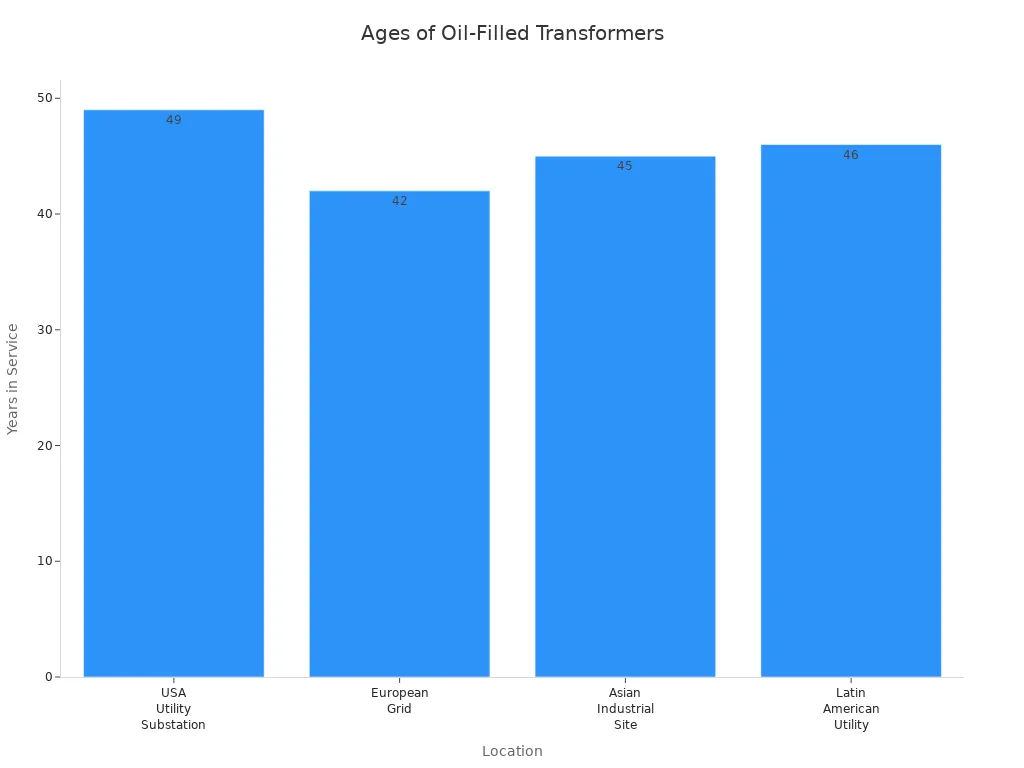
You can see that with the right care and upgrades, an oil filled transformer can serve for over 40 years. These examples show how important maintenance and quality are for long service life.
Lifespan Factors
Manufacturing Quality
You want your oil filled transformer to last as long as possible. The way a transformer is made plays a big part in its lifespan. High-quality materials and careful assembly help prevent early failures. If a manufacturer uses poor insulation or lets moisture get into the parts, the transformer will not last as long. Chemical impurities and low-grade epoxy can also cause problems. Even the smallest defect during assembly can lead to big issues later.
Transformer manufacturing is a systematic and highly specialized process. Each step, from design to assembly, plays a decisive role in determining performance and service life.
Changzhou Guanghui Transformer Manufacturing Co., Ltd. uses strict quality control at every stage. The company selects strong insulation materials and keeps the assembly area clean. Their transformers have reinforced insulation and are built to handle tough conditions. This attention to detail helps your transformer work reliably for many years.
Operating Conditions
The environment where you install your oil filled transformer affects how long it will last. High temperatures make the transformer work harder and age faster. Humidity and rain can damage insulation. Dust and pollution block cooling systems and make it harder for the transformer to release heat. Even altitude can change how well the transformer cools itself.
Environmental Factor | Transformer Impact |
|---|---|
Ambient temperature | Cooling efficiency |
Humidity | Insulation reliability |
Pollution | Surface contamination |
Dust | Heat dissipation reduction |
Altitude | Cooling capability reduction |
Weather exposure | Material aging |
Changzhou Guanghui designs transformers to handle extreme weather. They use marine-grade anti-corrosion coatings and sealed enclosures. These features protect your equipment from harsh environments and help it last longer.
Maintenance Practices
Regular maintenance keeps your oil filled transformer running smoothly. You should check insulation resistance and look for signs of overheating. Cleaning the outside and tightening bolts can prevent many problems. If you spot issues early, you can fix them before they cause a failure.
Maintenance Practice | Description |
|---|---|
Transformer Oil Testing and Analysis | Tests like breakdown voltage, water content, and DGA show the health of the transformer. |
Electrical Testing | Checks winding and insulation resistance to make sure everything is working right. |
External Component Inspection | Looks at bushings, cooling systems, and tap changers for wear or damage. |
Tightening and Sealing | Makes sure bolts and terminals are secure to stop leaks and overheating. |
Recognizing Early Warning Signs | Finds problems like low oil, high temperatures, or abnormal gas readings early. |
When you follow a good maintenance plan, you can avoid unplanned outages and extend the life of your transformer. Changzhou Guanghui includes features that make it easy to check oil quality and sealing, so you can keep your transformer in top shape.
Oil Quality Management
The oil inside your transformer does more than just cool it. The oil also insulates the parts and keeps them safe from damage. If the oil gets dirty or has too much moisture, the transformer can fail early. You should test the oil often to check for gas, water, and acid levels. If you find problems, you can filter or replace the oil before it causes damage.
Diligent monitoring of oil quality, such as checking for dissolved gases and moisture, helps you spot trouble early. Even a small amount of water in the insulation can cut its strength in half. Cracked seals or blocked breathers let in moisture, which speeds up aging. By keeping the oil clean and dry, you add years to your transformer's life.
Regular oil sampling helps you find faults early.
Routine monitoring lets you make smart maintenance choices.
Good oil management improves safety and keeps your system reliable.
Electrical Stresses
Your oil filled transformer faces many electrical stresses during its life. Overloads, high voltage, and fault currents can damage insulation and cause overheating. Low oil levels from leaks make the problem worse. If the oil breaks down, it cannot protect the parts inside. Corona releases and static electricity can also harm the oil and insulation.
You can reduce these risks by monitoring temperature and moisture. Watch for changes in load and check the oil's strength often. Frequency response analysis helps you find winding problems before they get worse. Protective relays can limit fault currents and keep your transformer safe.
Tip: Always keep your transformer within its rated load and check for signs of stress. This helps prevent early aging and keeps your equipment running longer.
Signs of Aging & Replacement
Aging Indicators
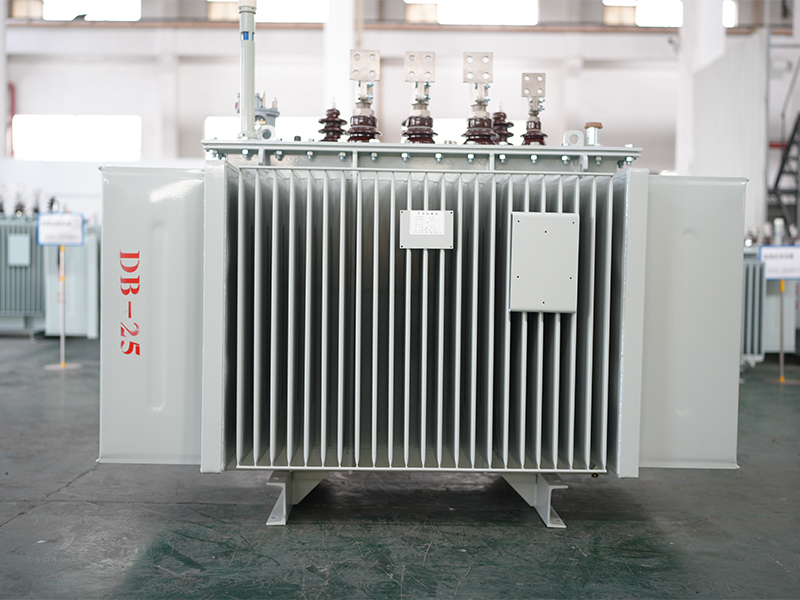
You can spot signs that your oil-filled transformer is getting old by watching for certain changes. These indicators help you decide when to take action. The table below shows the most common aging signs and what they mean:
Indicator | Description |
|---|---|
Declining Insulation Resistance | Lower resistance, higher dielectric losses, and more partial discharge activity. |
Abnormal Oil Quality Changes | Rising acidity, dark oil, sludge, moisture, more dissolved gases, and higher furan content. |
Increased Partial Discharge | More discharge activity from cracks, moisture, or sharp edges inside the transformer. |
Audible Changes | Louder hums or buzzing noises that point to mechanical problems. |
Increased Load Losses | Higher losses and less efficiency due to aging windings and heat damage. |
Leakage and Structural Issues | Oil leaks, cracked surfaces, and rust that show physical aging. |
Frequent Protection Trips | More alarms or trips, meaning the transformer is not working within safe limits. |
Reduced Short-Circuit Strength | Weaker ability to handle electrical forces because of cracked insulation or loose parts. |
Tip: Regular checks help you catch these signs early and plan repairs before bigger problems start.
Diagnostic Methods
You can use several tools to check the health of your transformer. These methods help you find problems before they cause failures:
Dissolved Gas Analysis (DGA) finds gases like hydrogen, methane, and carbon monoxide. These gases show if insulation is breaking down or if there is overheating or arcing.
DGA helps you know what kind of fault is happening and how fast it is getting worse. This lets you plan maintenance before a breakdown.
Infrared thermography spots hot spots and temperature imbalances. It can find loose connections, overloads, or cooling problems.
This method gives you real-time results and does not require you to open the transformer, so you avoid unplanned outages.
Replacement Timing
Knowing when to replace your transformer keeps your power system safe and reliable. You should consider replacement if you notice these signs:
Declining insulation resistance or a worsening polarization index.
Oil quality problems, such as high acidity or dark color.
More partial discharge activity inside the transformer.
Higher load losses and lower efficiency.
Visible leaks, rust, or other structural damage.
Frequent protection trips or alarms.
Loss of short-circuit strength or weakened mechanical parts.
Note: If you see several of these signs at once, you should plan for replacement soon to avoid unexpected failures.
Extending Oil Filled Transformer Life
Preventive Maintenance
You can keep your transformer running longer by following a preventive maintenance plan. Regular checks help you spot problems before they become serious. Changzhou Guanghui designs transformers with easy access for oil quality and sealing inspections. You should clean the cooling fins, tighten connections, and inspect bushings. These steps improve system stability and reduce operating costs. Preventive maintenance lowers the risk of failure and helps your transformer stay safe and reliable.
Tip: Schedule maintenance checks every six months. This routine keeps your transformer in top condition and prevents unexpected breakdowns.
Oil Monitoring
Oil monitoring gives you early warning about issues inside your transformer. You can test for dissolved gases, moisture, acidity, and furan content. These tests show if windings or insulation are starting to fail. Routine oil analysis is a cost-effective way to find faults without opening the transformer. It reduces downtime and extends service life. You can prevent catastrophic outages by acting on oil test results.
Oil monitoring helps diagnose developing issues before critical failures occur.
It uncovers faults in windings, insulation, and contamination.
Routine testing aligns with industry standards and supports predictive maintenance.
Early detection reduces transformer downtime and prevents outages.
Operational Best Practices
You can maximize the life of your oil filled transformer by following best practices during installation and operation. Choose the right transformer type for your environment and load needs. Make sure you install the unit in a clean, dry area with proper ventilation. Avoid repeated overloads and keep the cooling system clear. Regular maintenance checks improve energy efficiency and extend service life.
Operational Error | Consequence |
|---|---|
Stress on insulation | Reduced lifespan |
Repeated overloads | Increased risk of failure |
Oil contamination | Deterioration of performance |
Poor cooling | Overheating and insulation damage |
Neglected maintenance | Accelerated wear and failure |
Note: Proper installation and routine care help your transformer handle thermal stresses and maintain dielectric properties over time.
You can expect a well-maintained oil-filled transformer to last 30 years or more. Sometimes, proper care extends service life to 50 years. Factors like temperature, humidity, and overloading can shorten lifespan. Regular monitoring helps you spot faults early and avoid costly breakdowns. Facilities that track transformer health often extend equipment life by 15 to 20 years. Choosing a reliable brand like Changzhou Guanghui and following best practices ensures your transformer stays efficient and dependable.
FAQ
How often should you check transformer oil quality?
You should test transformer oil every six months. Regular checks help you spot moisture, gas, or dirt early. Clean oil keeps your transformer safe and running longer.
What signs show your transformer needs maintenance?
Look for oil leaks, strange noises, or rising temperatures. If you see dark oil or frequent alarms, schedule maintenance soon. These signs warn you about possible problems.
Can you extend the lifespan of your oil-filled transformer?
Yes! You can extend the lifespan by following a maintenance plan, monitoring oil quality, and avoiding overloads. Clean surroundings and proper installation also help your transformer last longer.
What makes Changzhou Guanghui transformers reliable?
Changzhou Guanghui uses premium oil, strong insulation, and strict quality control. You get easy access for maintenance and a three-year warranty. These features help your transformer stay efficient and dependable.
Please Contact Us!
Recommended Products

1000 kVA Oil Filled Transformer

Oil-Immersed Transformer with Conservator (S11/S13 & SZ11)
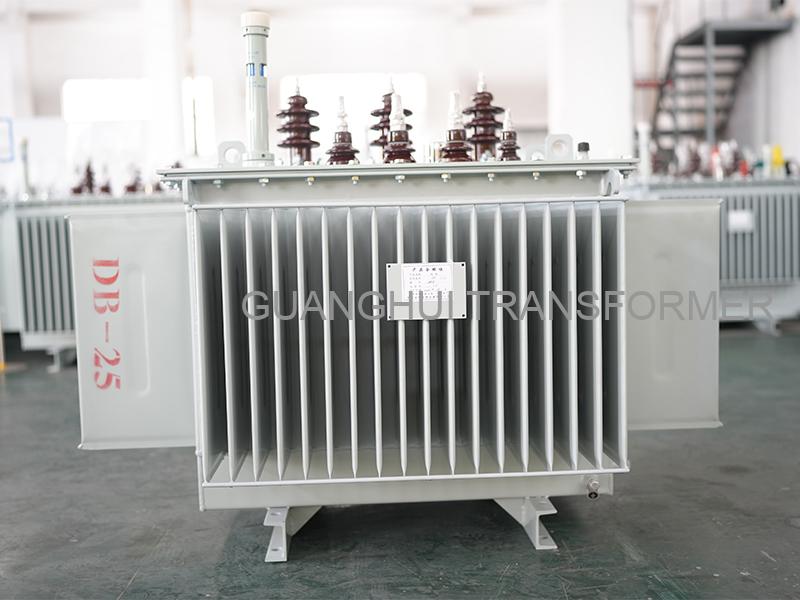
35KV Oil-Immersed Power Transformer (Full Copper S20 Series 160-3150kVA)

300kVA Single-Phase Oil-Cooled Distribution Transformer (S13-300/10)
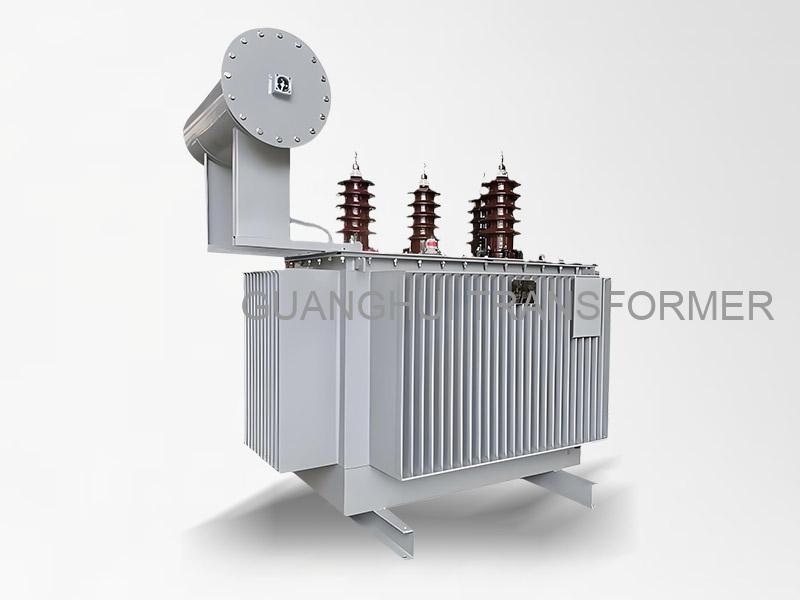
500kVA Oil-Immersed Transformer (S13-500/10)

1500kVA Oil-Immersed Transformer (S13-1500/10)

2000kVA Oil-Immersed Transformer (S13-2000/10)


Recent News
1.What is the difference between cast coil and dry type transformer
2026-06-052.How an oil-filled transformer works
2026-05-213.What is the difference between cast resin and oil type transformer
2026-05-094.Top 5 oil immersed transformer manufacturer in 2026
2026-04-295.What is an oil immersed transformer
2026-04-296.What is the difference between dry type transformer and oil
2026-04-24


