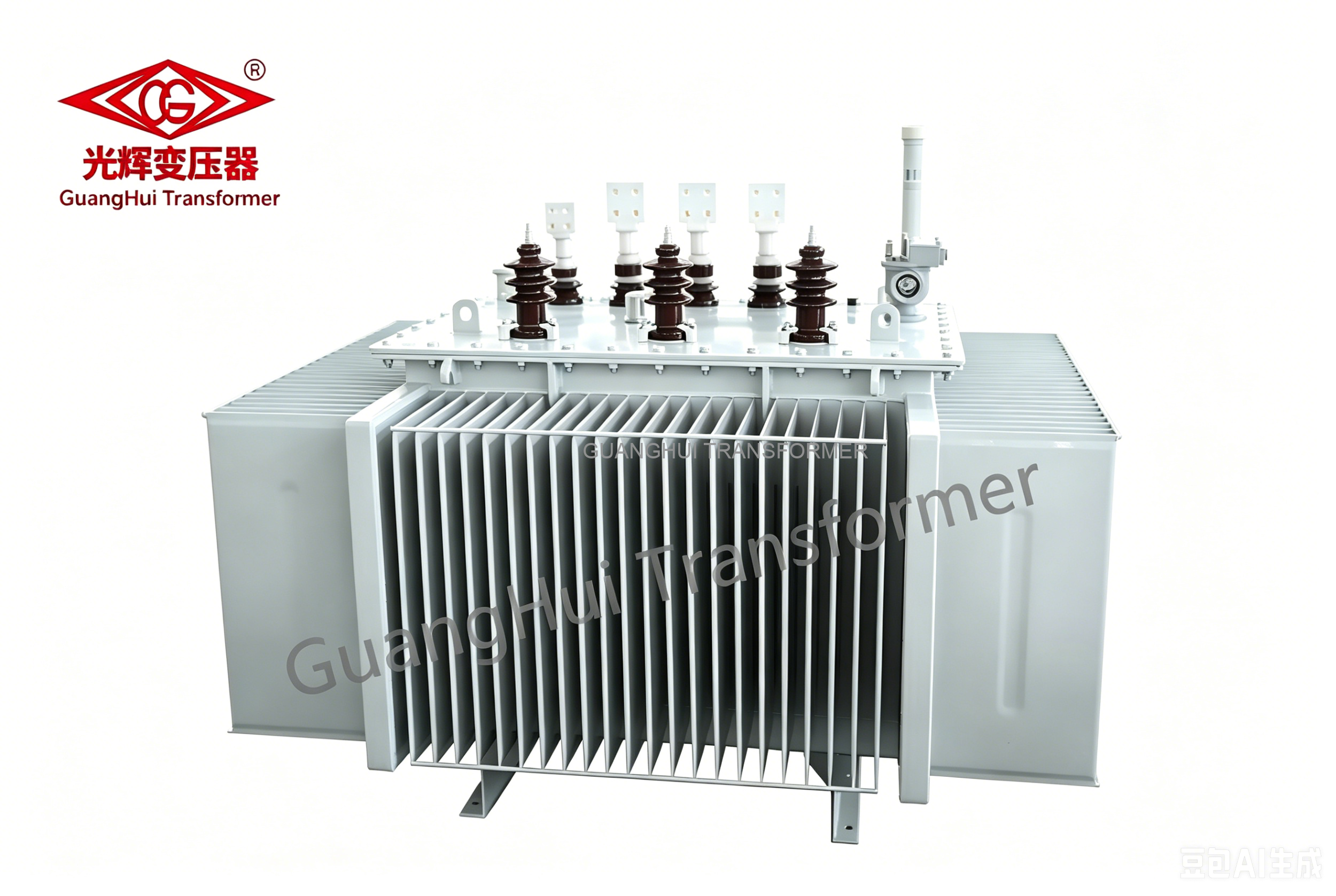
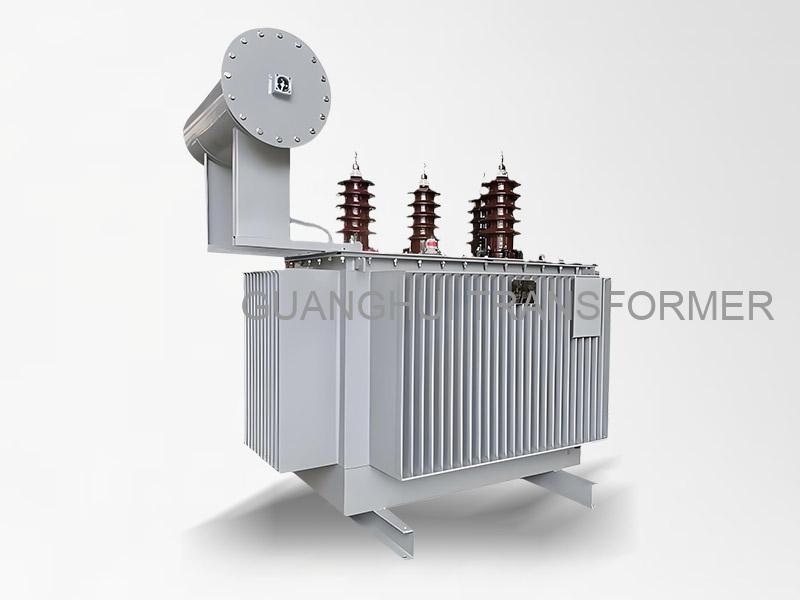
What is an oil immersed transformer
In modern power systems, the oil immersed transformer stands as a cornerstone technology, enabling efficient and reliable transmission and distribution of electrical energy. As a type of power transformer, it utilizes insulating oil as both a cooling medium and an electrical insulator, distinguishing itself from dry-type transformers that rely on air or other gases. This dual functionality allows oil immersed transformers to handle higher power capacities, operate under harsher environmental conditions, and maintain long-term stability, making them indispensable in industrial, commercial, and utility applications.
Core Components and Working Principle
The fundamental structure of an oil immersed transformer consists of three primary components: the core, windings, and insulating oil. The core, typically made of laminated silicon steel sheets, provides a low-resistance path for magnetic flux generated by alternating current (AC) in the primary winding. The windings—copper or aluminum conductors wrapped around the core—are divided into primary and secondary sections. When AC voltage is applied to the primary winding, it creates an alternating magnetic field in the core, inducing voltage in the secondary winding through electromagnetic induction. The turns ratio between the primary and secondary windings determines the voltage transformation ratio, enabling step-up or step-down functionality.
Insulating oil plays a critical role in this process. Submerging the core and windings in oil ensures two key functions: electrical insulation and thermal management. The oil’s high dielectric strength prevents electrical breakdown between windings or between windings and the grounded tank, even under high voltage stress. Simultaneously, its large specific heat capacity and thermal conductivity allow efficient heat absorption from the core and windings. As the oil heats up, it rises through natural convection, transferring heat to radiators or cooling fins attached to the transformer tank. The cooled oil then circulates back to the core, forming a continuous thermal cycle that maintains operating temperatures below critical thresholds (typically<85°C). This cooling efficiency is particularly vital for large transformers, where heat dissipation directly impacts efficiency and lifespan.
Types and Design Variations
Qil immersed transformers are categorized into two main designs based on oil preservation strategies: hermetically sealed and conservator-type.
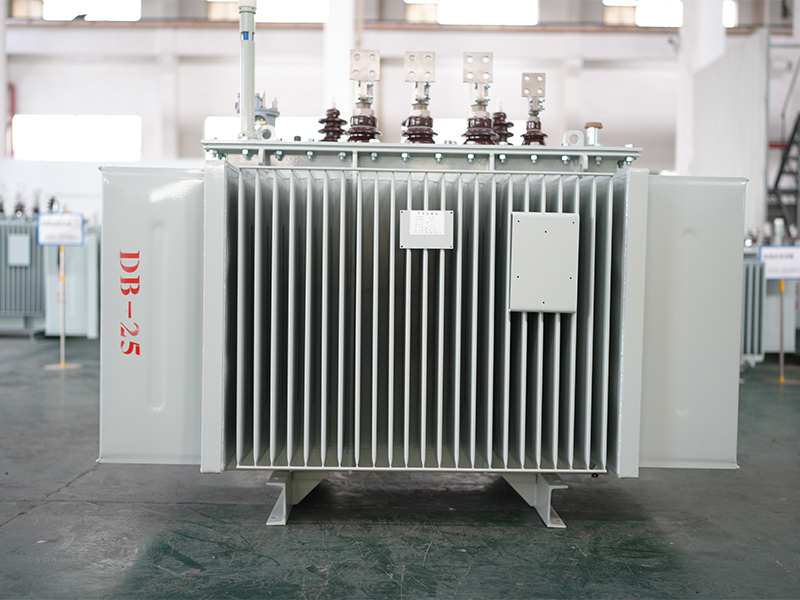
1.Hermetically Sealed Transformers: These feature a completely airtight tank filled with oil and a small gas cushion (usually nitrogen) above the oil level. As the oil expands or contracts with temperature changes, the gas cushion compensates for volume variations, preventing air contact with the oil. This design minimizes moisture ingress and oxidation, extending oil life and reducing maintenance frequency. It is ideal for indoor installations or environments with low humidity.
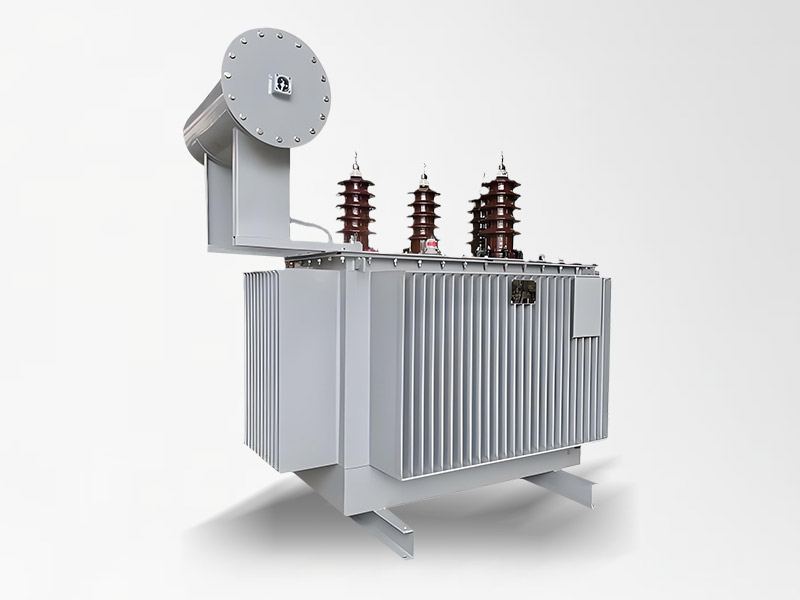
2.Conservator-Type Transformers: These incorporate an external conservator tank connected to the main tank via a pipeline. The conservator contains additional oil and a breather system filled with desiccant (e.g., silica gel) to absorb moisture from incoming air. As the main tank’s oil volume changes, oil flows into or out of the conservator, maintaining pressure balance while keeping the main tank isolated from ambient air. This design suits outdoor applications in humid or dusty regions, where moisture control is critical.
Additional variations include cooling methods: ONAN (Oil Natural Air Natural), ONAF (Oil Natural Air Forced), and OFAF (Oil Forced Air Forced). ONAN relies on natural convection for both oil and air circulation, suitable for smaller transformers. ONAF adds fans to accelerate airflow over radiators, enhancing cooling for medium-sized units. OFAF uses pumps to force oil circulation through heat exchangers, enabling high-capacity transformers to operate efficiently under heavy loads.
Key Advantages and Applications
The superiority of oil immersed transformers lies in their high power density, thermal stability, and cost-effectiveness. Compared to dry-type transformers, they can transmit 2–3 times more power per unit volume, making them the preferred choice for high-voltage substations, renewable energy farms (e.g., solar and wind plants), and industrial complexes. Their robust construction also withstands mechanical stresses, such as short-circuit forces, and electrical faults like lightning strikes, ensuring reliability in critical infrastructure.
In terms of applications, oil immersed transformers dominate:
Power Generation: Step-up transformers in thermal, hydro, and nuclear power plants raise generator voltage (e.g., 10–20 kV) to transmission levels (e.g., 110–800 kV), reducing line losses over long distances.
Transmission Networks: High-voltage transformers facilitate bulk power transfer across regions, while medium-voltage units (e.g., 35 kV) distribute energy to industrial zones.
Distribution Systems: Pole-mounted or pad-mounted oil immersed transformers step down voltage (e.g., from 10 kV to 400 V) for residential and commercial use, ensuring safe and stable power supply.
Specialized Industries: Steel mills, oil rigs, and data centers rely on these transformers for their overload capacity and resilience to extreme temperatures or dusty conditions.
Environmental and Safety Considerations
Despite their advantages, oil immersed transformers pose environmental and safety risks. Traditional mineral oils, derived from petroleum, are non-biodegradable and flammable, raising concerns about soil contamination and fire hazards in case of leaks or tank ruptures. To address this, modern designs adopt biodegradable insulating oils, such as natural esters (e.g., soybean oil) or synthetic esters. These alternatives offer higher fire points (>300°C vs. ~160°C for mineral oil), reduced flammability, and improved environmental compatibility, aligning with global sustainability goals.
Safety protocols also emphasize leak prevention and emergency response. Transformers are installed on oil-containing bases or equipped with oil-water separators to contain spills, while pressure relief devices and gas detectors mitigate explosion risks. Regular maintenance—including oil sampling (for dielectric strength, moisture, and gas analysis), seal inspections, and thermal imaging—ensures early detection of potential failures, prolonging service life to 25–40 years with proper care.
Conclusion
The oil immersed transformer remains an indispensable technology in modern power systems, balancing efficiency, reliability, and cost-effectiveness. Its ability to handle high power loads, operate in harsh environments, and integrate advanced cooling and insulation designs makes it the backbone of global energy infrastructure. While challenges like environmental impact persist, innovations in biodegradable oils and smart monitoring systems are paving the way for safer, greener transformers. As the world transitions toward renewable energy and decentralized grids, the adaptability of oil immersed transformers—through modular designs and enhanced thermal management—will continue to drive their relevance, ensuring they remain a vital component in the journey toward sustainable electrification. Whether in urban substations, remote wind farms, or industrial hubs, the oil immersed transformer’s role in delivering stable, efficient power is unparalleled, solidifying its position as a linchpin of modern civilization.
FAQ
Q:What is the typical lifespan of an oil immersed transformer?
A:The lifespan of an oil immersed transformer ranges from 25 to 40 years, depending on maintenance, operating conditions, and load cycles. Regular oil testing and inspections extend its durability.
Q:How often should the insulating oil in a transformer be tested or replaced?
A:Insulating oil should be tested annually for dielectric strength, moisture, and gas content. Replacement is needed every 10–15 years or if contamination/degradation is detected during analysis.
Q:Can oil immersed transformers be used in high-humidity or coastal environments?
A:Yes, conservator-type oil immersed transformers with breathers and moisture-resistant seals are ideal for humid or coastal areas, preventing corrosion and oil degradation.
Q:What safety features are included in modern oil immersed transformers?
A:Modern units include pressure relief valves, gas detectors, and hermetic sealing to prevent explosions. Fire-resistant natural ester oils can also enhance safety in high-risk zones.
Q:Are oil immersed transformers suitable for renewable energy projects like solar farms?
A:Absolutely. Oil immersed transformers efficiently step up voltage from solar inverters for grid transmission, withstand outdoor conditions, and handle fluctuating loads reliably.