What is the difference between dry type transformer and oil
In the realm of electrical power distribution and transformation, transformers play a pivotal role in ensuring the efficient and safe transmission of electrical energy. Among the various types of transformers available, dry type transformers and oil immersed transformers stand out as two prominent categories, each with its unique set of characteristics, advantages, and applications. Understanding the differences between these two types of transformers is crucial for engineers, project managers, and decision-makers involved in electrical system design and implementation. This article aims to provide a comprehensive comparison between dry type transformers and oil immersed transformers, highlighting their key features, differences, and suitability for various applications.
What is a Dry Type Transformer?
A dry type transformer, as the name suggests, is a type of transformer that does not use any liquid insulation medium such as oil for cooling or insulation purposes. Instead, it relies on solid insulation materials like epoxy resin, polyester resin, or vacuum pressure impregnated (VPI) insulation systems to provide electrical insulation between the windings and the core. The cooling of a dry type transformer is achieved through natural air convection or forced air circulation, depending on the design and rating of the transformer.
Dry type transformers are known for their compact size, flame-retardant properties, and suitability for indoor installations where fire safety and environmental concerns are paramount. They are commonly used in commercial buildings, hospitals, schools, data centers, and other public spaces where the risk of oil spills or fire hazards associated with oil immersed transformers is unacceptable. The absence of liquid insulation also simplifies maintenance procedures, as there is no need for regular oil testing, leak checks, or oil handling.

What is an Oil Immersed Transformer?
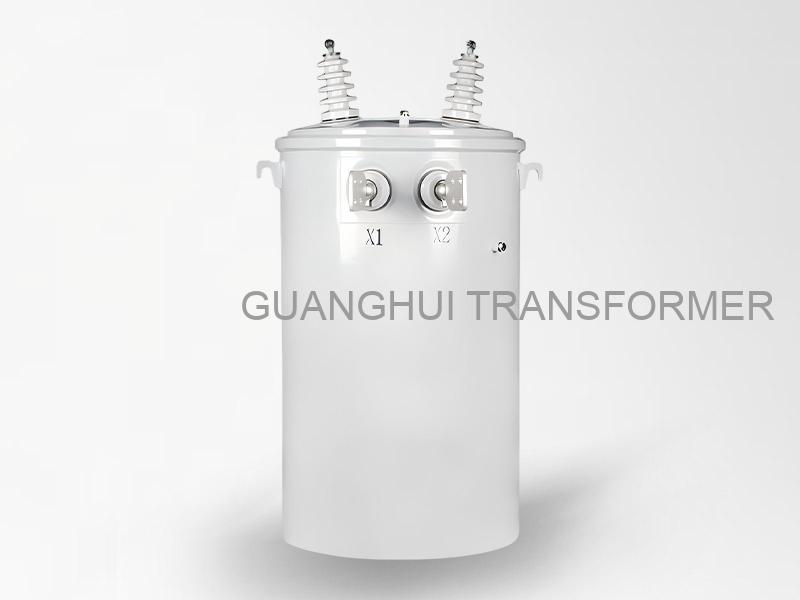
An oil immersed transformer, on the other hand, is a type of transformer where both the core and windings are immersed in insulating oil. This oil serves a dual purpose: it acts as an excellent electrical insulator, preventing electrical discharges between the windings and the core, and it also functions as a heat transfer medium, efficiently conducting away the heat generated during operation to ensure stable performance.
Oil immersed transformers are widely used in power systems for voltage transformation, electrical isolation, and safety protection. They are particularly suitable for outdoor installations, large-scale industrial applications, and high-voltage power transmission lines where higher power ratings and better cooling efficiency are required. The presence of oil also helps to dampen internal magnetic field vibrations, resulting in lower noise levels compared to dry type transformers.

Differences Between Dry Type Transformer and Oil Immersed Transformer
1. Insulation and Cooling Medium
The most fundamental difference between dry type transformers and oil immersed transformers lies in their insulation and cooling medium. Dry type transformers use solid insulation materials and air for cooling, while oil immersed transformers rely on insulating oil for both insulation and cooling purposes. This difference in medium has a significant impact on the design, performance, and applications of the two types of transformers.
2. Fire Safety and Environmental Concerns
Dry type transformers are inherently safer than oil immersed transformers in terms of fire safety and environmental impact. Since they do not contain any flammable liquid, the risk of fire or explosion is significantly reduced, making them ideal for indoor installations where fire safety is a top priority. Additionally, the absence of oil eliminates the risk of oil spills or leaks, which can have detrimental effects on the environment.
Oil immersed transformers, while reliable and efficient, require additional safeguards to manage the oil and prevent accidents. Regular oil testing, leak checks, and oil handling procedures are necessary to ensure the safe operation of these transformers. In the event of an oil leak or spill, immediate cleanup and remediation measures must be taken to minimize environmental damage.
3. Maintenance Requirements
Dry type transformers generally require less maintenance compared to oil immersed transformers. The absence of liquid insulation simplifies maintenance procedures, as there is no need for regular oil testing, filtration, or replacement. Routine inspections and cleaning are usually sufficient to keep a dry type transformer in good working condition.
Oil immersed transformers, on the other hand, require more frequent and comprehensive maintenance. Regular oil sampling and testing are necessary to monitor the condition of the oil and detect any signs of degradation or contamination. Oil filtration or replacement may be required periodically to maintain optimal insulation and cooling performance. Additionally, regular inspections for leaks or damage to the tank or seals are essential to prevent oil spills or accidents.
4. Efficiency and Performance
Oil immersed transformers typically offer higher efficiency and better cooling performance compared to dry type transformers. The superior heat dissipation properties of oil allow oil immersed transformers to operate at lower temperatures, reducing electrical losses and extending the lifespan of the transformer. This makes them particularly suitable for high-power applications where efficiency and reliability are critical.
Dry type transformers, while less efficient in terms of cooling, can still provide reliable performance for low to medium voltage applications. Advances in solid insulation materials and cooling technologies have improved the efficiency and performance of dry type transformers in recent years, making them a viable alternative to oil immersed transformers in certain applications.
5. Cost Considerations
The initial cost of a dry type transformer is generally higher than that of an oil immersed transformer due to the use of more expensive solid insulation materials and advanced manufacturing processes. However, the lower maintenance requirements and reduced risk of fire or environmental damage associated with dry type transformers can result in lower operational costs over the lifespan of the transformer.
Oil immersed transformers, while less expensive upfront, may incur higher maintenance expenses and potential costs associated with oil handling, testing, and replacement. Additionally, the need for additional safeguards to manage the oil and prevent accidents can add to the overall cost of ownership.
Which One is More Worth Choosing?
The choice between a dry type transformer and an oil immersed transformer depends on various factors, including the specific application requirements, budget constraints, fire safety and environmental concerns, and maintenance capabilities.
For indoor installations where fire safety and environmental impact are primary considerations, a dry type transformer is often the preferred choice. Its compact size, flame-retardant properties, and lower maintenance requirements make it ideal for commercial buildings, hospitals, schools, and data centers.
For outdoor installations, large-scale industrial applications, or high-voltage power transmission lines where higher power ratings and better cooling efficiency are required, an oil immersed transformer may be more suitable. Its superior heat dissipation properties, lower noise levels, and longer lifespan make it a reliable and efficient choice for these demanding applications.
Conclusion
In conclusion, dry type transformers and oil immersed transformers are two distinct types of transformers with their unique set of characteristics, advantages, and applications. While dry type transformers offer superior fire safety, environmental friendliness, and lower maintenance requirements, oil immersed transformers provide higher efficiency, better cooling performance, and longer lifespans. The choice between the two depends on the specific needs and constraints of the application at hand. By carefully considering factors such as fire safety, environmental impact, maintenance requirements, efficiency, and cost, engineers and decision-makers can select the most appropriate type of transformer for their electrical system design and implementation.
FAQ
Question: What's the main function of the insulating oil in an oil - immersed transformer?
Answer: The insulating oil serves as both insulation to prevent electrical breakdown and a coolant to dissipate heat generated during operation.
Question: How can I tell if the insulating oil in the oil - immersed transformer needs replacement?
Answer: Regular oil tests are crucial. If the oil shows high acidity, moisture content, or reduced dielectric strength, replacement is likely needed.
Question: Are there any special environmental considerations for installing oil - immersed transformers?
Answer: Yes, they should be installed in well - ventilated areas away from fire risks. Oil containment measures are also necessary to prevent environmental pollution.
Question: What are the advantages of dry - type transformers over oil - filled ones in terms of safety?
Answer: Dry - type transformers are fire - resistant and non - explosive as they lack oil, reducing fire hazards and enhancing safety in various settings.
Question: How often should the maintenance of dry - type transformers be carried out?
Answer: Generally, a routine inspection every 6 - 12 months is advisable, checking for dust, loose connections, and abnormal noises to ensure proper function.