What is the difference between cast coil and dry type transformer
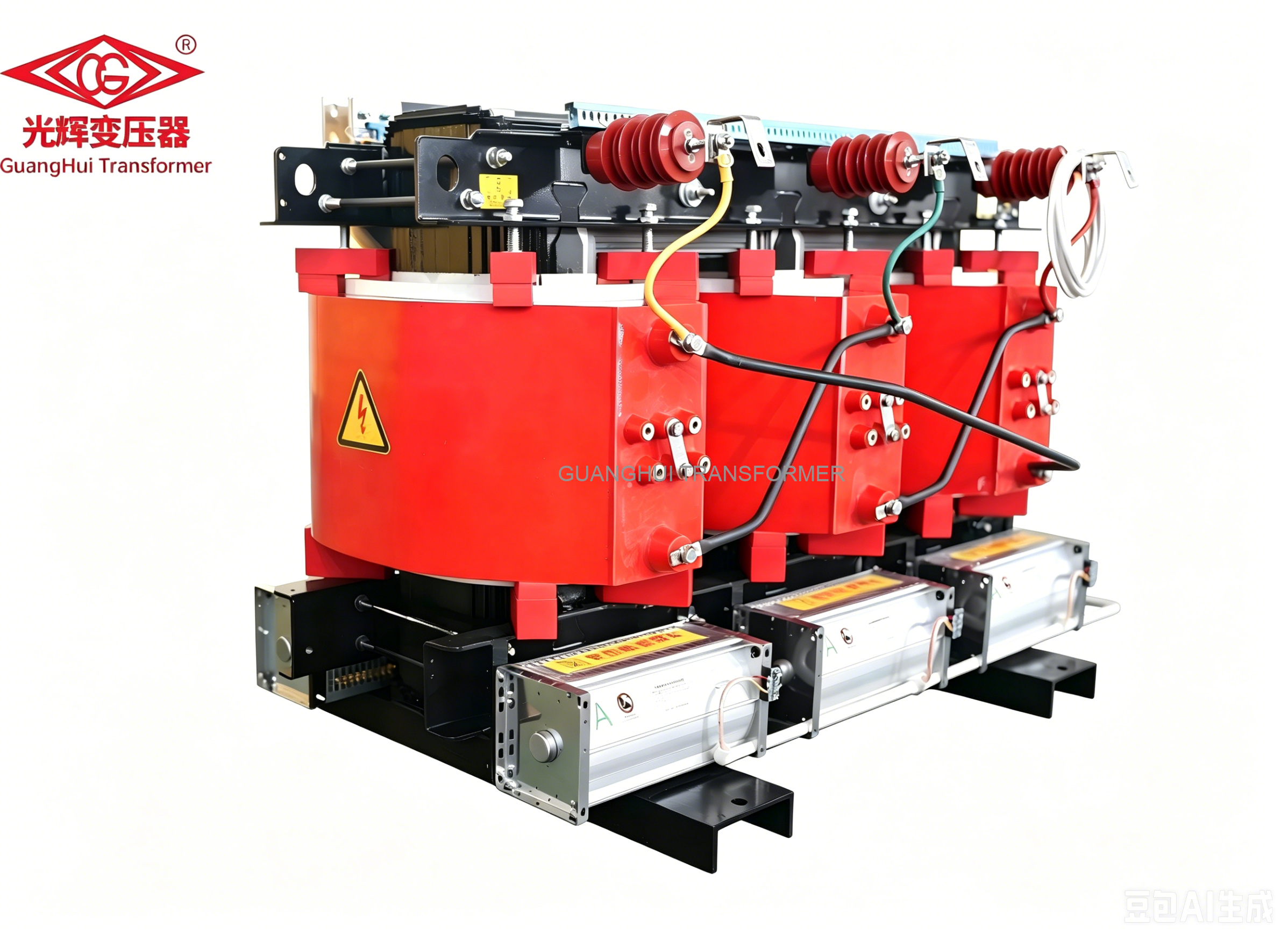
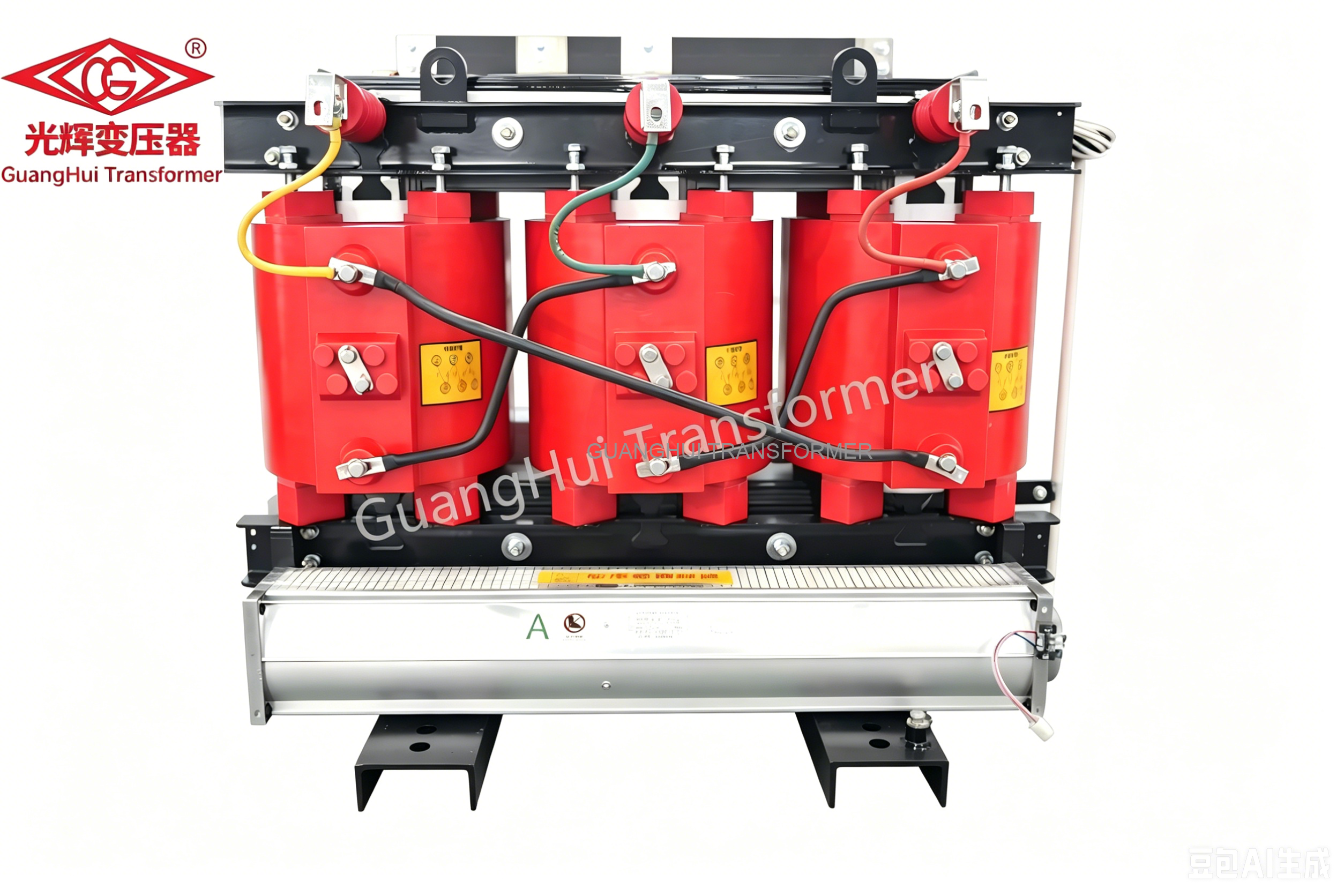
You will notice the main difference between cast coil and dry type transformers in their insulation and cooling systems. Cast coil transformers use resin to insulate windings. Dry type transformer models use air for cooling and do not need oil. Choosing the right transformer keeps your electrical system safe, efficient, and eco-friendly. The table below shows how each type compares in key areas:
Feature | Cast Coil Transformers | Dry Type Transformers |
|---|---|---|
Safety | Higher fire risk with oil | Lower fire risk, air cooling |
Environmental Impact | Oil leaks possible | No oil, less risk to the environment |
Efficiency | Depends on design | Very efficient, good for indoor use |
Key Takeaways
Cast coil transformers use solid resin for insulation, providing excellent moisture and fire protection, making them ideal for harsh environments.
Dry type transformers rely on air cooling and solid insulation, offering a safer, eco-friendly option with lower fire risks and maintenance needs.
When choosing a transformer, consider the environment: cast coil for moisture and vibration, dry type for indoor safety and efficiency.
Both transformer types are oil-free, reducing environmental risks and making them suitable for renewable energy projects.
Evaluate features like mechanical strength, safety, and energy efficiency to select the best transformer for your specific needs.
What Is a Cast Coil Transformer
Definition and Features
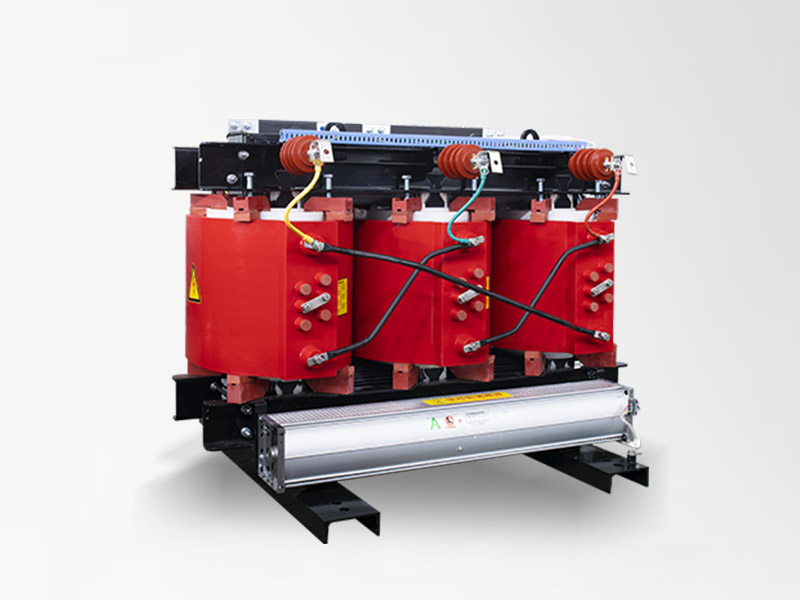
You will find cast coil transformers in many modern electrical systems. These transformers use a special method to protect their windings. Manufacturers encapsulate the windings in a solid block of epoxy resin. This resin acts as insulation and gives the transformer high dielectric strength. You get strong protection against moisture and contaminants. The solid resin also helps the transformer resist fire and keeps it safe in harsh environments.
The cast coil design provides excellent mechanical strength. The resin holds the windings firmly in place. This support helps the transformer withstand vibrations and short-circuit forces. You can rely on cast coil transformers for stable performance, even when conditions get tough.
Here is a table that shows the most common features of cast coil transformers:
Feature | Description |
|---|---|
Insulation System | Epoxy resin insulation gives high dielectric strength and thermal stability. |
Cooling Method | Uses air for cooling, which improves operational efficiency. |
Fire Safety | Solid resin structure offers fire-retardant properties. |
Mechanical Strength | Encapsulation provides strong support against short-circuit forces and vibrations. |
Environmental Protection | Performs well in harsh environments, resists moisture and contaminants. |
Efficiency | Optimized for efficient operation in many applications. |
Tip: Cast coil transformers work well in places where you need high safety and reliability.
Typical Uses
You can use cast coil transformers in many settings. They are popular in factories, hospitals, and schools. These transformers perform well in areas with high humidity or dust. You often see them in places where fire safety matters most. Cast coil transformers also fit well in outdoor installations and harsh environments.
Many engineers choose cast coil transformers for renewable energy projects. You may find them in wind farms or solar power stations. Their strong insulation and fire safety make them a good choice for these applications. If you compare cast coil transformers to a dry type transformer, you will notice both offer oil-free operation and reliable performance. Cast coil transformers stand out when you need extra protection against moisture and mechanical stress.
You can use cast coil transformers in:
Industrial plants
Commercial buildings
Hospitals
Renewable energy sites
Outdoor electrical substations
What Is a Dry Type Transformer
Key Characteristics
You will see that a dry type transformer does not use oil for insulation or cooling. Instead, it relies on air cooling methods. This design meets international standards like IEC 60076. You get a safer transformer that works well indoors and reduces fire risks. Dry type transformers use solid insulation, such as epoxy resin or cast resin, to protect the windings. The magnetic core and windings sit inside a ventilated or encapsulated enclosure. This enclosure lets heat escape and keeps dust and moisture away.
Safety is one of the most defining characteristics of dry type transformers. Designed without oil or flammable liquids, they provide a low-risk alternative to oil-immersed transformers, especially in settings where fire hazards, environmental risks, or personnel proximity must be minimized.
You can depend on dry type transformers for reliable performance. You will notice that they operate quietly and require less maintenance. Changzhou Guanghui Transformer Manufacturing Co.,Ltd. offers a wide range of dry type transformers. Their product line features eco-friendly designs, oil-free operation, and advanced resin-cast insulation. You can choose from small units for shops or large models for industrial parks. These transformers use recyclable materials and produce low VOC emissions. You avoid oil disposal and minimize land contamination, making them ideal for green buildings and sustainable projects.
Applications
You can use dry type transformers in many places. They work well in commercial buildings, industrial plants, and data centers. You will find them in hospitals, schools, and transit hubs. Dry type transformers also support renewable energy systems, such as rooftop solar and wind projects. You can rely on them for safe power distribution in factories and motor loads. Outdoor NEMA enclosures protect them from harsh weather.
Common applications include:
Commercial buildings
Industrial plants
Data centers
Renewable energy projects
Hospitals
Schools
Transit hubs
Factories
EV infrastructure
You get a transformer that meets energy efficiency standards and supports sustainable infrastructure. Changzhou Guanghui Transformer Manufacturing Co.,Ltd.'s dry type transformers help you build safer, greener, and more efficient electrical systems.
Cast Coil vs Dry Type Transformer: Key Differences
Construction and Materials
You will notice clear differences in how cast coil and dry type transformers are built. Cast coil transformers use epoxy resin to fully encapsulate the windings. This solid insulation protects the transformer from moisture, dust, and other contaminants. The resin also gives the transformer high mechanical strength, so it can handle vibrations and short circuits.
Dry type transformers, including cast coil models, use solid insulation materials like epoxy resin or Nomex paper. The core often uses high-grade cold-rolled silicon steel. You will find that the enclosure is usually made from stainless steel or aluminum alloys, which helps prevent rust and damage. Some designs use bio-based epoxy and halogen-free flame retardants to make the transformer safer for the environment.
Here is a table that shows the main construction features:
Feature | Cast Coil Transformers (Dry Type) | Oil Filled Transformers |
|---|---|---|
Structure | Encapsulated windings in solid resin | Windings submerged in oil tanks |
Insulation Materials | Epoxy resin, Nomex paper | Oil-paper insulation |
Core Materials | High-grade cold-rolled silicon steel | Cold-rolled silicon steel |
Enclosure Materials | Stainless steel or aluminum alloys | Low-carbon steel with corrosion protection |
Environmental Considerations | Bio-based epoxy, halogen-free flame retardants | Biodegradable synthetic ester oils |
Tip: If you need a transformer for a clean or sensitive environment, choose a dry type transformer with eco-friendly materials.
Cooling Methods
You will see that both cast coil and dry type transformers do not use oil for cooling. Instead, they rely on air. Natural air cooling is the most common method. Air flows around the transformer and removes heat from the windings and core. Some transformers use forced air cooling, where fans push more air through the enclosure. This can increase the transformer's capacity by 25% to 50%.
Many modern transformers use temperature-activated fans. These fans turn on when the winding temperature gets too high. You may also find thermal sensors, such as Resistance Temperature Detectors (RTDs), inside the transformer. These sensors help you monitor the temperature and keep the transformer running safely.
Cooling methods you might find:
Natural air cooling (AN)
Forced air cooling (AF) with fans
Temperature sensors for real-time monitoring
Note: Good cooling keeps your transformer efficient and extends its life.
Performance and Reliability
You can count on cast coil transformers for high performance in tough conditions. The solid resin insulation gives excellent moisture resistance. This means you can use them in places with high humidity or dust. The strong mechanical design helps the transformer handle short-circuit forces and vibrations.
Dry type transformers, especially cast coil models, offer stable performance and low maintenance. You get high fire safety because there is no oil to leak or catch fire. These transformers work well with heavy loads and in harsh environments. The initial cost may be higher, but you save money on maintenance and repairs.
Here is a table comparing key performance features:
Feature | Cast Coil Transformers | VPI Transformers |
|---|---|---|
Moisture Resistance | Excellent, fully encapsulated in resin | Moderate, varnish treated |
Mechanical Strength | High, handles short-circuit conditions | Lower, less rugged |
Fire Safety | High, no oil to catch fire | Moderate, some fire risk |
Load Capacity | Good for high loads in harsh areas | Good for moderate loads in clean areas |
Initial Cost | Higher, advanced encapsulation | Lower, basic applications |
If you need a reliable transformer for a busy factory or outdoor site, cast coil models give you peace of mind.
Safety and Environment
You will find that safety is a top reason to choose a dry type transformer. The oil-free design means there is almost no fire risk. You do not have to worry about oil leaks or spills that could harm the environment. The solid insulation also keeps the transformer safe in public places, schools, and hospitals.
Cast coil transformers use materials that resist fire and do not release harmful gases. Many models use halogen-free flame retardants and recyclable materials. This makes them a smart choice for green buildings and eco-friendly projects. You help protect people and the planet when you choose these transformers.
Safety and environmental benefits:
No oil, so no risk of leaks or fires
Halogen-free and recyclable materials
Low maintenance and long service life
Safe for indoor and outdoor use
Choose a dry type transformer if you want a safe, clean, and environmentally friendly power solution.
Pros and Cons
Cast Coil Pros and Cons
You will find that cast coil transformers offer strong protection and reliable performance. The solid resin insulation keeps moisture and dust away from the windings. This design helps the transformer last longer, even in tough environments. You can use cast coil transformers in places with high humidity or where fire safety matters most.
Pros:
High mechanical strength resists vibrations and short circuits.
Excellent fire safety due to resin insulation.
Low risk of moisture damage.
Long service life with minimal maintenance.
Good for outdoor and harsh locations.
Cons:
Higher initial cost compared to some other types.
Larger size and heavier weight can make installation harder.
May have higher losses than oil-immersed transformers.
Tip: If you need a transformer for a factory, hospital, or renewable energy site, cast coil models give you peace of mind.
Dry Type Transformer Pros and Cons
You will see many advantages when you choose a dry type transformer, especially from Changzhou Guanghui Transformer Manufacturing Co.,Ltd. These transformers use advanced resin-cast insulation and air cooling. You get a product that is safe, efficient, and eco-friendly. The oil-free design means you do not have to worry about fire or environmental contamination. You also benefit from a standard 3-year warranty, which shows the company's commitment to quality.
Here is a table to help you compare the main pros and cons:
Aspect | Pros | Cons |
|---|---|---|
Safety | No oil fire risk, strong resin insulation | Higher initial costs |
Maintenance | Low maintenance, no oil checks needed | Larger size and weight |
Environmental Impact | Eco-friendly, no risk of contamination | Slightly higher losses |
Installation | Flexible for indoor use, easy to customize | May need forced-air cooling |
Efficiency | Lower operating costs, meets energy standards | Limited power ratings |
Warranty | 3-year warranty for peace of mind |
You will notice that dry type transformers have lower maintenance needs and reduce fire insurance costs. Over time, you save money because you do not need oil checks or special fire protection. You also help protect the environment by choosing a transformer with recyclable materials and low emissions.
Note: Dry type transformers work well in schools, data centers, and green buildings where safety and efficiency matter most.
Applications and Selection
Where to Use Cast Coil
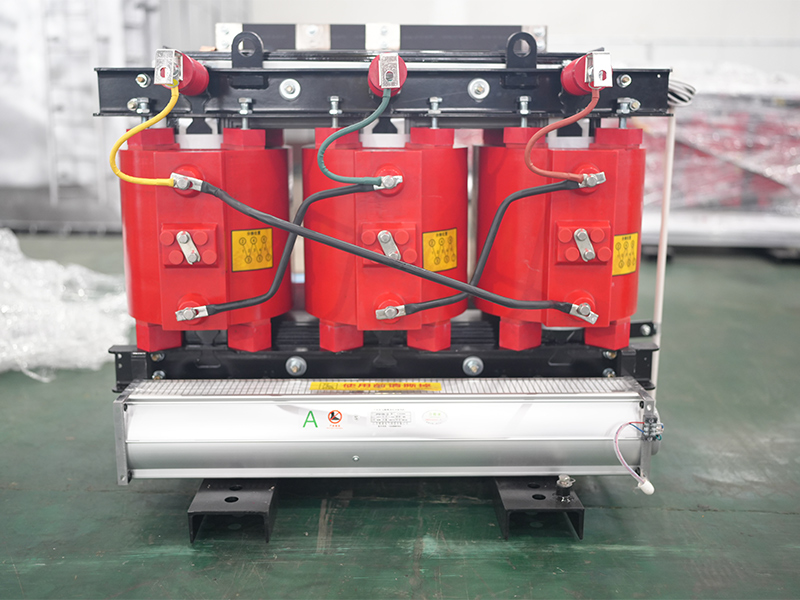
You can use cast coil transformers in many demanding environments. These units work well outdoors where weather exposure is common. You will find them in marine and offshore settings because they resist corrosion. Mining and heavy industrial facilities often rely on cast coil transformers for their mechanical strength. Chemical processing plants use them in corrosive atmospheres. High-vibration locations benefit from the solid resin insulation. Critical installations, such as hospitals and data centers, choose cast coil transformers for long service life and low maintenance.
Environment/Industry | Description |
|---|---|
Outdoor and weather-exposed installations | Suitable for environments with exposure to elements |
Marine and offshore environments | Ideal for use in marine applications |
Mining and heavy industrial facilities | Commonly used in heavy industrial settings |
Chemical processing and corrosive atmospheres | Effective in corrosive environments |
High-vibration locations | Designed to withstand high vibration |
Critical installations | Justified for long service life and low maintenance |
You also see cast coil transformers in commercial buildings, hospitals, industrial facilities, renewable energy systems, and urban power networks.
Where to Use Dry Type Transformer
You can use a dry type transformer in places where safety and environmental protection matter most. These transformers are popular in commercial sectors, including healthcare and data centers. Renewable energy projects, such as solar inverter stations and wind substations, benefit from their minimal maintenance and good thermal stability. You will find dry type transformers in hospitals, airports, and high-risk buildings because they do not use oil and reduce fire hazards. Coastal facilities and industrial plants choose them for their ability to handle humidity, corrosive gases, and dust.
Typical scenarios include:
Commercial buildings
Healthcare facilities
Data centers
Renewable energy systems
Airports
Coastal and industrial plants
Tip: Dry type transformers offer reliable performance and safety in crowded or sensitive environments.
Choosing the Right Transformer
You need to consider several factors when selecting between cast coil and dry type transformers. Think about the environment where you will install the transformer. If you expect exposure to moisture, dust, or vibration, cast coil units provide strong protection. For indoor spaces with high fire safety requirements, dry type transformers are a smart choice.
Key factors to consider:
Thermal management and heat dissipation
Voltage regulation for stable output
Mechanical strength for durability
Safety and fire protection
Maintenance needs and component longevity
Product features, such as insulation materials and warranty
Remember: Choose a transformer that matches your application, environment, and safety needs. Review product features from trusted brands like Changzhou Guanghui Transformer Manufacturing Co.,Ltd. for advanced solutions.
You see clear differences between cast coil and dry type transformers. Cast coil models use solid resin for insulation and excel in harsh environments. Dry type transformers rely on air cooling and offer safer, eco-friendly operation. You can use the checklist below to help choose the right transformer:
Check your environment for moisture, dust, or vibration.
Review safety needs and fire risk.
Compare energy efficiency and operational costs.
Look for advanced features like smart sensors and digital monitoring.
Feature | Changzhou Guanghui Transformers | Industry Standards |
|---|---|---|
Energy Efficiency | Varies by manufacturer | |
Safety | Encapsulated in flame-retardant resin | Standard materials used |
Operational Costs | Lower capital costs due to reduced footprint | Higher due to traditional designs |
You make the best choice when you match your needs with the advanced features of Changzhou Guanghui Transformer Manufacturing Co.,Ltd.'s dry type transformers.
FAQ
What is the main difference between cast coil and dry type transformers?
You see the main difference in the insulation. Cast coil transformers use solid resin to protect windings. Dry type transformers use air cooling and do not need oil. Both types offer safe, reliable operation.
Where should you install a dry type transformer?
You can install dry type transformers indoors or outdoors. They work well in schools, hospitals, data centers, and commercial buildings. You avoid fire risks and protect the environment.
How do you maintain a cast coil transformer?
You check for dust and moisture. You inspect the resin for cracks. You clean the enclosure. You monitor temperature sensors. You do not need oil checks.
Are dry type transformers energy efficient?
Yes! Dry type transformers from Changzhou Guanghui Transformer Manufacturing Co.,Ltd. meet Tier 1 or Tier 2 energy standards. You save energy and reduce costs.
Can you use cast coil transformers in harsh environments?
You can use cast coil transformers in places with high humidity, dust, or vibration. The solid resin insulation protects the windings and keeps the transformer safe.