


Why we use dry type transformer
Stricter fire safety standards and environmental rules make dry type transformers a top choice.
New technology makes them more efficient and reliable.
You avoid oil leaks and hazardous fluids.
Key Takeaways
Dry type transformers enhance fire safety by using non-flammable materials, making them ideal for indoor and high-risk environments.
These transformers eliminate the risk of oil leaks, protecting both your facility and the environment from contamination.
Low maintenance needs save you time and money, allowing you to focus on other important tasks in your facility.
Flexible installation options make dry type transformers suitable for various locations, optimizing space usage and safety.
Choosing dry type transformers supports sustainable practices, helping you meet environmental regulations and reduce waste.
Safety of Dry Type Transformer
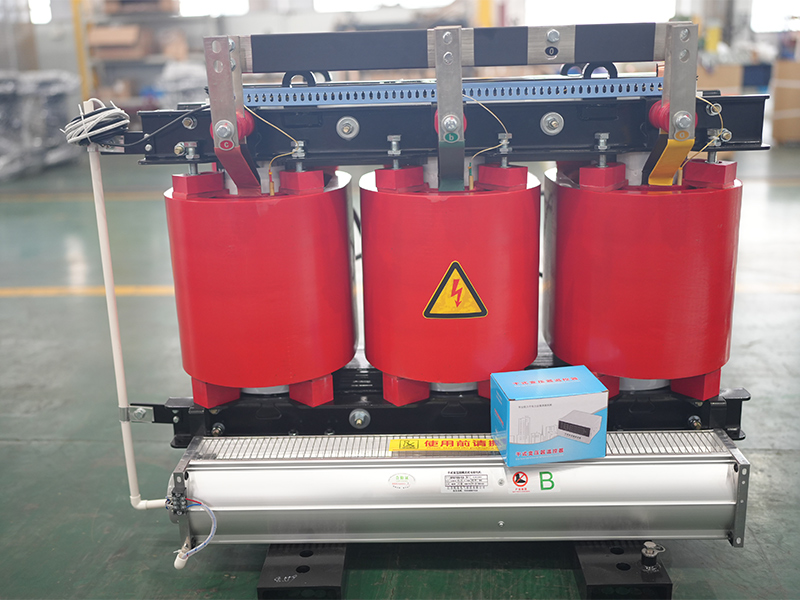
Fire Resistance
You want your electrical equipment to stay safe, especially in places where fire risk is high. Dry type transformer gives you strong protection because it uses solid, non-flammable materials for insulation. You do not have to worry about flammable oil inside the unit. Air cooling keeps the transformer from overheating, which lowers the chance of fire even more.
Take a look at this table to see how dry type transformer compares to oil-filled transformers in high-risk environments:
Feature | Dry Type Transformers | Oil-Filled Transformers |
|---|---|---|
Insulation Material | Solid, non-flammable materials | Flammable mineral oil |
Cooling Method | Air cooling | Oil cooling |
Fire Risk | Significantly reduced | High risk of fire and explosion |
Fire Propagation Potential | Minimal | High due to flammable oil |
Safety in High-Risk Areas | Safer for indoor and high-occupancy areas | Risky in densely populated areas |
You see that dry type transformer stands out in places like schools, hospitals, and office buildings. You get peace of mind because the risk of fire is much lower.
No Oil Leakage
You do not want oil leaks in your facility. Dry type transformer removes this worry because it does not use oil for cooling or insulation. You avoid messy spills and dangerous leaks. You also protect the environment since there is no risk of oil contamination.
You eliminate the risk of oil leakage completely.
You reduce fire risks caused by electrical faults or leaks.
You keep your facility clean and safe for everyone.
Dry type transformer gives you a safer choice for your electrical system. You can trust it to protect people and property.
Environmental Benefits

Eco-Friendly Features
You want equipment that protects the environment. Dry type transformer helps you meet this goal. You do not have to worry about oil leaks or spills. This means you avoid polluting soil and water. You also reduce the need for special oil disposal, which can harm the environment.
Here are some ways dry type transformer supports green practices:
You avoid oil leaks and spills that can contaminate the ground or water.
You need less maintenance, so you use fewer resources and create less waste.
You can install these transformers in places like schools and hospitals, where safety and cleanliness matter most.
You support sustainable building projects, such as LEED-certified buildings.
Take a look at this table to see how dry type transformers benefit the environment:
Benefit | Description |
|---|---|
No oil disposal required | Avoids environmental hazards |
Low VOC emissions | Resin insulation emits minimal volatile compounds |
Minimal land contamination risk | Ideal for green buildings and clean energy systems |
100% recyclable materials | Steel, copper, and resin systems can be recovered |
Supports sustainable infrastructure | Preferred in LEED-certified buildings |
No Hazardous Fluids
You do not want to handle dangerous fluids in your facility. Dry type transformer uses solid insulation, so you never deal with oil or other hazardous liquids. This design keeps your site cleaner and safer. You also lower the risk of accidents and reduce the need for special training or equipment to manage spills.
You meet strict environmental rules more easily.
You lower your liability because you do not handle oil.
You help protect the planet for future generations.
When you choose a dry type transformer, you make a smart choice for both your facility and the environment.
Maintenance and Reliability
Low Maintenance Needs
You want equipment that saves you time and effort. A dry type transformer gives you that advantage. You do not need to worry about oil checks or leaks. You only need simple cleaning, like dusting or vacuuming the coils. This makes your routine much easier.
Take a look at this table. It shows how maintenance compares between oil-filled and dry type transformers:
Maintenance Item | Oil-Filled | Dry-Type |
|---|---|---|
Major Service Interval | 5-7 years | 10-12 years |
Cleaning Requirements | Bushings, radiators | Coil dusting, vacuuming |
Indoor Installation | Requires containment | Standard installation |
You see that you spend less time and money on upkeep. You also avoid special equipment or training for oil handling. This means you can focus on other important tasks in your facility.
Durable Design
You want equipment that lasts for years. The design of a dry type transformer helps you achieve this goal. Manufacturers use high-quality materials that reduce heat and improve stability. They build the windings to handle electrical and thermal stress. Advanced insulation systems protect against moisture and keep the transformer strong.
Here are some features that boost reliability:
High-quality materials lower core losses and keep the transformer cool.
Optimized cooling pathways prevent overheating.
Robust winding construction stands up to tough conditions.
Encapsulated cast-resin coils shield the transformer from dust and moisture.
Smart monitoring systems help you spot problems before they cause failures.
You also benefit from rigid frames and vibration-damping mounts. These features keep the coils in place and reduce wear over time. Air channels and open ducts allow for natural airflow, and fan-assisted cooling helps during heavy use.
You get a transformer that works reliably, even in challenging environments. This means fewer breakdowns and more peace of mind for you.
Installation Flexibility
Indoor and Outdoor Use
You want a transformer that fits your space and meets your needs. Dry type transformer gives you flexibility for both indoor and outdoor installations. You can place it in many locations because it does not need oil pits or special containment. Its lightweight design makes moving and installing easier. You do not have to worry about fire risks, so you can use it in public buildings like hospitals and schools.
Here is a table showing the main advantages for indoor and outdoor use:
Advantage | Description |
|---|---|
Easy Installation | Lightweight design allows for flexible placement without needing oil pits. |
Space Saving | Can be installed in various locations, optimizing space usage. |
Safety | Reduces fire risk, making them suitable for indoor environments. |
You see that dry type transformers use air-based cooling methods. These methods help manage heat and keep the transformer safe in tough environments, such as factories or high-rise buildings. You can rely on this equipment for reliable operation with low maintenance.
Space-Saving
You need to make the most of your available space. Dry type transformers help you do this because they do not require liquid insulation. You can install them in smaller rooms or tight spaces. Their design lets you place them near electrical loads, which lowers the risk of fire hazards.
You save space because there is no need for oil tanks or extra safety barriers.
You can use them in indoor environments and high-rise buildings.
You get flexible installation options that fit your project needs.
You can optimize your facility layout and use every inch wisely. Dry type transformers support modern electrical system designs and help you meet safety standards.
Where Dry Type Transformer Excels
Common Applications
You see dry type transformer used in many places where safety and reliability matter most. You find these transformers in commercial buildings, factories, homes, hospitals, and data centers. They help protect people and equipment from fire hazards and oil leaks. You also see them in renewable energy projects, such as wind farms and solar plants.
Here is a table showing where you can use dry type transformer:
Sector | Applications |
|---|---|
Commercial | Shopping malls, office buildings, hotels, and schools for fire safety and compact installation. |
Industrial | Heavy machinery, manufacturing plants, and workshops with complex electrical systems. |
Residential | Apartment complexes and neighborhoods where safety and low maintenance are priorities. |
Healthcare | Hospitals and medical centers needing clean, stable power with minimal interference. |
Data Centers | Facilities that demand uninterrupted, high-quality power for uptime and reliability. |
Renewable Energy | Wind farms, solar plants, and eco-friendly projects for safe, low-maintenance power distribution. |
You notice that hospitals, airports, and high-rise buildings benefit from dry type transformer. These places require strong fire protection and stable power. You also see improvements in safety and reliability in urban infrastructure and renewable energy installations.
Hospitals and medical centers
Renewable energy sites
High-rise buildings and commercial centers
Airports and subway stations
Nuclear power plants
When to Choose Dry Type Transformer
You need to decide when dry type transformer is the best fit for your project. You choose this transformer when you want strong fire safety, easy maintenance, and flexible installation. You also pick it for indoor spaces and places with strict environmental rules.
Here is a table to help you compare performance in different environments:
Feature | Dry-Type Transformers | Oil-Filled Transformers |
|---|---|---|
Ingress and contamination | Needs clean airflow; resists dust and humidity | Sealed oil tanks prevent contaminants; needs fluid checks |
Efficiency | 96-98.5% | 98.5-99.7% |
Noise Level | 55-70 dB (with fans) | 45-55 dB |
Expected Lifespan | 25-30 years | 30-40 years |
Weight | Heavier | Lighter |
Footprint | Larger | Smaller |
Flammability | Lower | Higher |
Maintenance | Minimal | Regular oil checks |
Application Needs | Specific applications | General applications |
You select dry type transformer for:
Indoor installations where fire risk must stay low
Areas with high humidity or dust, such as coastal regions and factories
Projects that require minimal maintenance and long-term reliability
Eco-sensitive spaces, including hospitals, schools, and renewable energy sites
You also consider total cost of ownership. Dry type transformer costs more at first, but you save money on maintenance and installation. You avoid oil checks and fire barriers. You meet safety standards and support sustainable building projects.
Here is a table showing key factors to help you choose:
Factor | Description |
|---|---|
Safety | Preferred for indoor installations due to non-flammable nature. |
Environmental Conditions | Performs well in high humidity and corrosive environments without oil contamination risks. |
Total Cost of Ownership | Higher initial cost, but reduced maintenance and operational expenses over lifecycle. |
You make a smart choice when you select dry type transformer for projects that demand safety, reliability, and environmental protection.
You want a power solution that keeps people safe, protects the environment, and saves you time. Dry type transformer meets these needs. You avoid fire hazards and oil leaks. You use less energy and reduce waste. You spend less on maintenance and enjoy easy installation.
Safer operation in busy or indoor spaces
No risk of oil spills or contamination
Lower long-term costs
Strong performance in harsh conditions
FAQ
What is a dry type transformer?
You use a dry type transformer to change voltage levels. It uses air or solid insulation instead of oil. You get safer operation and easier maintenance.
Can you install a dry type transformer indoors?
Yes, you can install it indoors. You do not need oil pits or special barriers. You get safer and cleaner power for your facility.
How often do you need to maintain a dry type transformer?
You only need basic cleaning, like dusting or vacuuming. You do not check oil or handle leaks. You save time and keep your system running smoothly.
Is a dry type transformer safe for the environment?
You protect the environment when you use a dry type transformer. You avoid oil spills and hazardous fluids. You support green building projects.
Where should you use a dry type transformer?
You use dry type transformers in hospitals, schools, factories, and renewable energy sites. You get reliable power and strong fire safety in these places.


