


What is the difference between cast resin and oil type transformer
Part 1: Introduction
In the sprawling landscape of electrical power distribution, transformers stand as the silent sentinels of modern civilization — converting voltages, channeling energy, and keeping the lights on in every corner of the globe. Among the many varieties available today, two titans dominate the conversation: the cast resin type transformer and the oil immersed transformer. These two technologies represent fundamentally different philosophies of engineering — one embraces the solidity of epoxy resin, the other harnesses the fluidity of insulating oil. Choosing between them is not merely a technical decision; it is a strategic one that impacts safety, cost, maintenance, environmental compliance, and operational reliability for decades to come.
For facility managers, electrical engineers, and procurement specialists navigating the labyrinth of transformer selection, understanding the core distinctions between a cast resin type transformer and an oil immersed transformer is absolutely essential. The differences extend far beyond what fills the tank — they ripple through cooling mechanisms, fire safety profiles, installation requirements, lifecycle costs, and suitability for specific environments. This article provides a comprehensive, authoritative examination of both technologies, dissecting their inner workings, advantages, limitations, and ideal application domains. By the end, you will possess the clarity and confidence to make the right transformer choice for your project — whether you need the rock-solid safety of a cast resin type transformer or the raw power-handling prowess of an oil immersed transformer.
Part 2: What Is a Cast Resin Type Transformer?
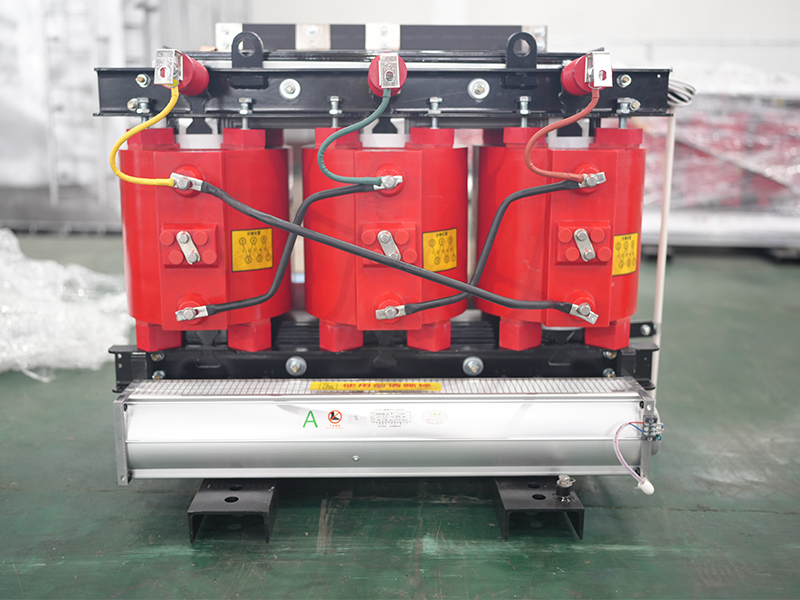
A cast resin type transformer — also widely known as a dry type transformer, epoxy resin transformer, or cast coil transformer — is a power distribution device that uses solid epoxy resin to encapsulate and insulate its windings. Unlike traditional transformers that rely on liquid insulation, the cast resin type transformer achieves electrical isolation through a meticulous vacuum casting process.
The Manufacturing Process
The heart of a cast resin type transformer lies in its production technique, often called "encapsulation." During manufacturing, the transformer coils — typically wound with copper foil or enameled wire — are placed inside a vacuum mold. Under controlled vacuum conditions, a precisely mixed combination of epoxy resin and hardener is poured into the mold. The vacuum ensures that the resin penetrates every gap between winding turns, eliminating air pockets and voids. Upon curing, the resin solidifies into a monolithic, void-free, and extraordinarily robust structure that fuses inseparably with the windings and core.
This process yields a material whose coefficient of thermal expansion closely matches that of the copper conductor — a brilliant engineering detail that prevents cracking caused by temperature fluctuations. The result? Extremely low partial discharge levels, superior mechanical strength, and unparalleled resistance to environmental assault.
Key Characteristics
The cast resin type transformer boasts several defining features:
Insulation Material: High-strength epoxy resin combined with glass fiber, providing exceptional dielectric strength and thermal stability.
Cooling Medium: Air. The resin-encased windings dissipate heat through natural or forced air convection, often aided by high-efficiency radiators.
Fire Safety: The epoxy resin is non-combustible and self-extinguishing, making the cast resin type transformer inherently fire-safe — a critical advantage in densely populated or enclosed spaces.
Environmental Resistance: The sealed resin body provides outstanding protection against moisture, salt spray, dust, chemical agents, and even 100% humidity conditions. It can be re-energized after shutdown without any drying-out period.
Maintenance: Virtually maintenance-free. There is no oil to test, no leaks to monitor, no filters to replace.
Mechanical Strength: Extremely high resistance to short circuits and vibration, making it ideal for seismic zones and industrial environments.
However, the cast resin type transformer is not without trade-offs. Its cooling efficiency is inherently lower than oil-based systems because heat must conduct through the resin before reaching the air. This limits its power capacity — cast resin type transformer units are generally rated up to approximately 5000 kVA, with most installations falling in the lower to medium voltage range. They also tend to produce more operational noise compared to their oil-immersed counterparts, and the initial purchase cost is higher due to the complex casting process.
Part 3: What Is an Oil Immersed Transformer?
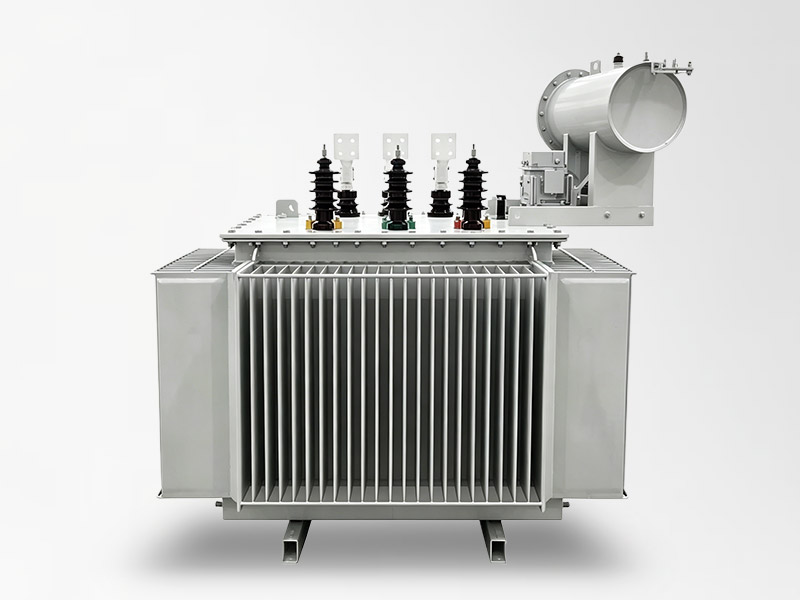
The oil immersed transformer — also called an oil-filled transformer or oil type transformer — is the workhorse of global power infrastructure. For over a century, this technology has powered cities, factories, railways, and renewable energy installations across every continent. Its design philosophy is elegant in its simplicity: use mineral oil as both an insulating medium and a cooling agent.
Structure and Working Principle
An oil immersed transformer consists of a laminated iron core and copper windings fully submerged in a tank filled with specially formulated dielectric oil — typically mineral oil. The transformer operates on the fundamental principle of electromagnetic induction: when alternating current flows through the primary winding, it generates a changing magnetic field in the core, which in turn induces a voltage in the secondary winding. The voltage ratio is determined by the turns ratio between the two windings.
The insulating oil serves three critical functions simultaneously:
1.Electrical Insulation: The oil provides superior dielectric strength, preventing arcing between windings and between windings and the grounded tank. This allows oil immersed transformer designs to handle medium to high voltages — typically ranging from 10 kV up to 220 kV and beyond.
2.Heat Dissipation: As current flows through the windings, heat is generated. The oil absorbs this heat and circulates — either naturally through convection or forcibly via pumps — transferring thermal energy to the tank walls and radiator fins. This cooling mechanism is far more efficient than air cooling, enabling the oil immersed transformer to handle significantly higher power loads.
3.Component Protection: The oil shields internal components from oxidation and moisture ingress, extending the operational lifespan of the transformer.
Key Characteristics
Insulation Material: Dielectric mineral oil.
Cooling Medium: Oil (natural or forced circulation), with external radiators or corrugated fins.
Voltage and Power Range: Exceptionally broad — from distribution-level units to massive power transformers exceeding 500 MVA.
Fire Risk: The oil is combustible, presenting a potential fire hazard. Modern designs mitigate this through sealed tanks, corrugated fins, and fire-resistant barriers, but the risk cannot be entirely eliminated.
Maintenance: Regular and ongoing. Oil quality must be monitored through periodic testing (dissolved gas analysis, moisture content, dielectric strength). Leaks must be inspected, and oil may need to be filtered or replaced over the transformer's lifetime.
Cost Efficiency: The oil immersed transformer offers a lower cost per kVA compared to dry-type alternatives, making it the economical choice for large-scale installations.
Noise: Significantly quieter than cast resin transformers, as the oil dampens electromagnetic vibrations.
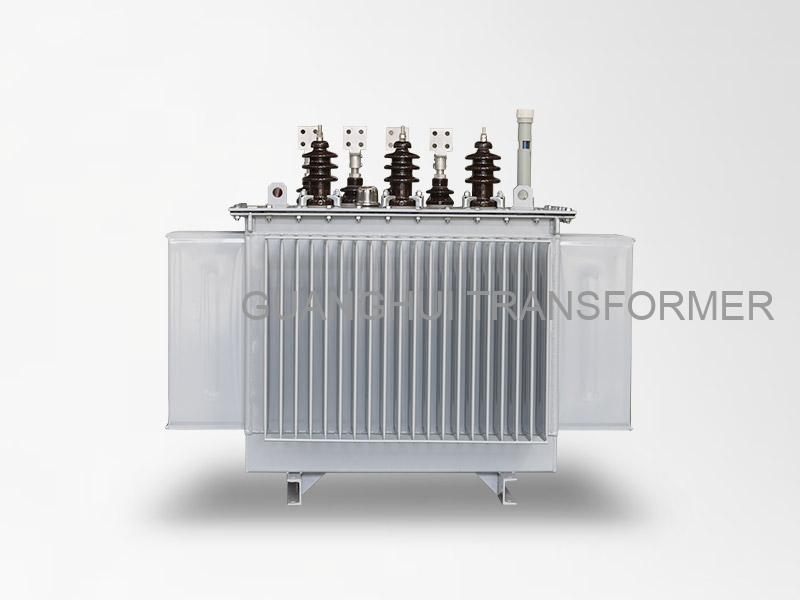
The oil immersed transformer comes in several variants — including fully sealed designs with corrugated fin radiators that enable maintenance-free operation — making it adaptable to virtually any environment, from bustling urban substations to remote wind farms.
Part 4: Differences Between Cast Resin Type Transformer and Oil Immersed Transformer
Now we arrive at the crux of the matter. The differences between a cast resin type transformer and an oil immersed transformer are profound and multidimensional. Let us examine them systematically.
| Aspect | Cast Resin Type Transformer | Oil Immersed Transformer |
| Insulation Medium | Solid epoxy/polyester resin | Dielectric mineral oil |
| Cooling Method | Air (natural or forced) | Oil circulation (natural or forced) |
| Fire Safety | Non-flammable, self-extinguishing — superior | Combustible oil presents fire risk |
| Voltage/Power Range | Lower — typically up to 35 kV, 5000 kVA | Higher — 10 kV to 220+ kV, up to 500+ MVA |
| Installation Location | Indoor (can be outdoor with weatherproof casing) | Indoor or outdoor |
| Maintenance | Very low — virtually maintenance-free | Regular — oil testing, leak checks, filtering |
| Environmental Impact | Oil-free, no pollution risk | Oil spill/leak risk; requires containment |
| Noise Level | Higher | Lower |
| Initial Cost | Higher (complex casting process) | Lower per kVA |
| Lifespan | Longer (resistant to rust/corrosion) | Long, but oil degrades over time |
| Overload Capacity | Strong short-term overload due to resin heat capacity | Excellent sustained overload via oil cooling |
| Seismic/Mechanical Resistance | Extremely high | Moderate to high |
| Recyclability | Restricted (resin is hard to recycle) | Enhanced — oil can be reclaimed and regenerated |
The most decisive differentiator is safety versus capacity. The cast resin type transformer wins unequivocally on fire safety, environmental friendliness, and maintenance simplicity — making it the preferred choice where human life and environmental protection are paramount. The oil immersed transformer, conversely, dominates in raw power handling, cooling efficiency, and cost-effectiveness at scale — making it indispensable for high-voltage transmission, industrial plants, and utility-scale power distribution.
Another critical distinction lies in environmental adaptability. The cast resin type transformer can operate in 100% humidity, resist chemical corrosion, and function on offshore platforms or in mines without any degradation. The oil immersed transformer, while robust, requires careful oil containment and is vulnerable to moisture ingress if seals fail.
Part 5: Application Scenarios
The application domains of these two transformer types largely reflect their inherent strengths.
Where the Cast Resin Type Transformer Shines
The cast resin type transformer is the transformer of choice for indoor and environmentally sensitive installations:
High-rise buildings and commercial complexes: Fire safety codes in skyscrapers demand non-flammable equipment. The cast resin type transformer meets these stringent requirements effortlessly.
Hospitals and healthcare facilities: Where uninterrupted, safe power is a matter of life and death, the cast resin type transformer's reliability and zero-fire-risk profile make it ideal.
Underground substations and metro systems: In confined spaces where oil leaks would be catastrophic, the oil-free cast resin type transformer is the only logical option.
Airports and transportation hubs: Safety-critical infrastructure demands the self-extinguishing properties of cast resin technology.
Offshore platforms, chemical plants, and mines: The cast resin type transformer's resistance to moisture, salt spray, and chemical agents makes it uniquely suited for these harsh environments.
Residential and light commercial areas: For lower voltage applications up to 35 kV, the cast resin type transformer delivers dependable performance with minimal upkeep.
Where the Oil Immersed Transformer Dominates
The oil immersed transformer reigns supreme in high-power, high-voltage, and outdoor applications:
Power substations and transmission networks: From 10 kV distribution to 220 kV transmission, the oil immersed transformer handles the massive power flows that modern grids demand.
Industrial facilities and manufacturing plants: Where megawatts of power are needed for continuous production, the superior cooling of the oil immersed transformer is irreplaceable.
Wind farms and renewable energy installations: Fully sealed oil immersed transformer designs step up the low-voltage output of wind turbines (400V–1000V) to 35 kV or higher for grid transmission — even in remote, harsh environments.
Ports, railways, and mining operations: The oil immersed transformer's durability and high overload capacity suit these demanding industrial contexts.
Utility-scale solar power plants: Large oil immersed transformer units manage the power conversion and grid interconnection for solar farms.
Nuclear power plants and military grids: Specialized oil immersed transformer designs meet the extraordinary reliability and safety standards required in these sectors.
Notably, the two technologies are increasingly complementary rather than competitive. Modern power systems often deploy cast resin type transformer units indoors for safety-critical distribution while relying on oil immersed transformer units outdoors for bulk power transformation — creating a hybrid architecture that leverages the best of both worlds.
Part 6: Conclusion
The debate between the cast resin type transformer and the oil immersed transformer is not a question of which is universally superior — it is a question of which is superior for your specific application. The cast resin type transformer stands as a paragon of safety, environmental stewardship, and low-maintenance excellence. Its solid epoxy encapsulation delivers fire resistance that no oil system can match, its sealed construction defies moisture and contamination, and its mechanical robustness withstands the harshest conditions on Earth. For indoor installations, safety-critical facilities, and environmentally sensitive locations, the cast resin type transformer is not just an option — it is the obvious, responsible choice.
The oil immersed transformer, meanwhile, remains the undisputed champion of power and efficiency. When you need to move enormous quantities of electrical energy at high voltages — in substations, industrial complexes, wind farms, or transmission networks — the oil immersed transformer's superior cooling, higher capacity, and lower cost per kVA make it irreplaceable. Modern sealed designs have dramatically reduced maintenance burdens and fire risks, ensuring that the oil immersed transformer continues to evolve and thrive.
Ultimately, the smartest power systems employ both. A cast resin type transformer guards the building interior; an oil immersed transformer feeds the grid from outside. Together, they form a symbiotic partnership that delivers safe, efficient, and reliable electricity to every corner of our electrified world. Whether you prioritize the flame-retardant serenity of the cast resin type transformer or the raw, battle-tested power of the oil immersed transformer, one truth remains: both technologies are engineering masterpieces — and understanding their differences is the first step toward electrifying the future with wisdom and precision.
FAQ
Q1: What voltage range does your cast resin type transformer support?
A: Our cast resin type transformer covers 0.4kV to 35kV, ideal for indoor distribution and commercial applications.
Q2: How fire-safe is the cast resin type transformer?
A: The cast resin type transformer uses self-extinguishing epoxy, meeting Class F fire standards with zero oil spill risk.
Q3: What maintenance does the cast resin type transformer require?
A: The cast resin type transformer is virtually maintenance-free — no oil testing, no filters, just periodic visual inspection annually.
Q4: What power capacity do your oil immersed transformers reach?
A: Our oil immersed transformer ranges from 50kVA to 500MVA, serving substations, industry, and renewable energy projects.
Q5: Is the oil immersed transformer environmentally safe?
A: Modern oil immersed transformer designs feature sealed tanks and corrugated fins, eliminating leakage and oil contamination risks.
Q6: How often must oil immersed transformer oil be tested?
A: We recommend dissolved gas analysis every six months for oil immersed transformer units to ensure insulation integrity and longevity.
Please Contact Us!
Recommended Products
300kva Fully Sealed Oil Immersed Transformer
35KV Oil-Immersed Power Transformer (Full Copper S20 Series 160-3150kVA)
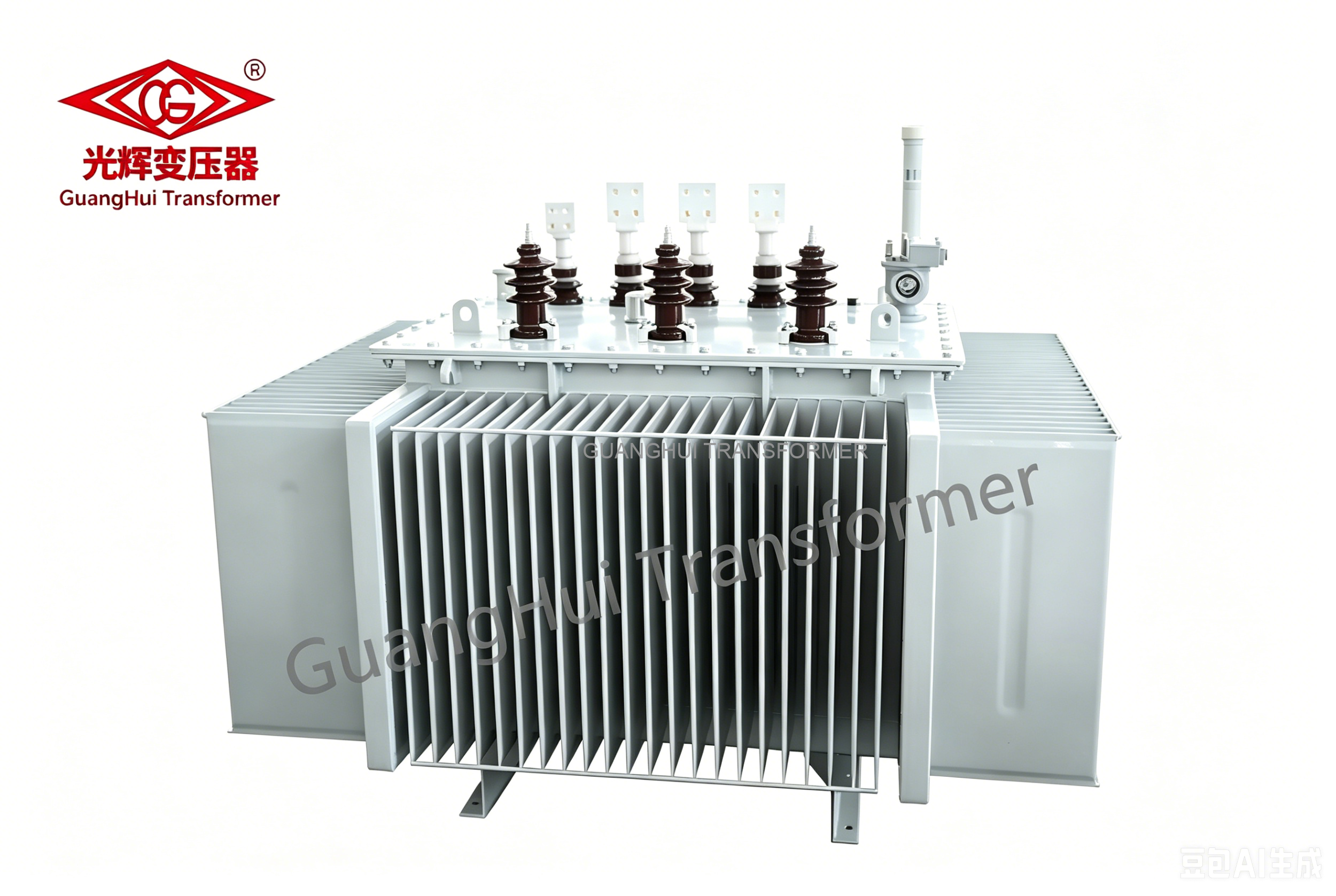
1500kVA Oil-Immersed Transformer (S13-1500/10)

35kV Cast-Resin Dry-Type Transformer(SCB13 Series)

Single-Phase Cast-Resin Dry-Type Transformer (0.5kVA~100kVA)
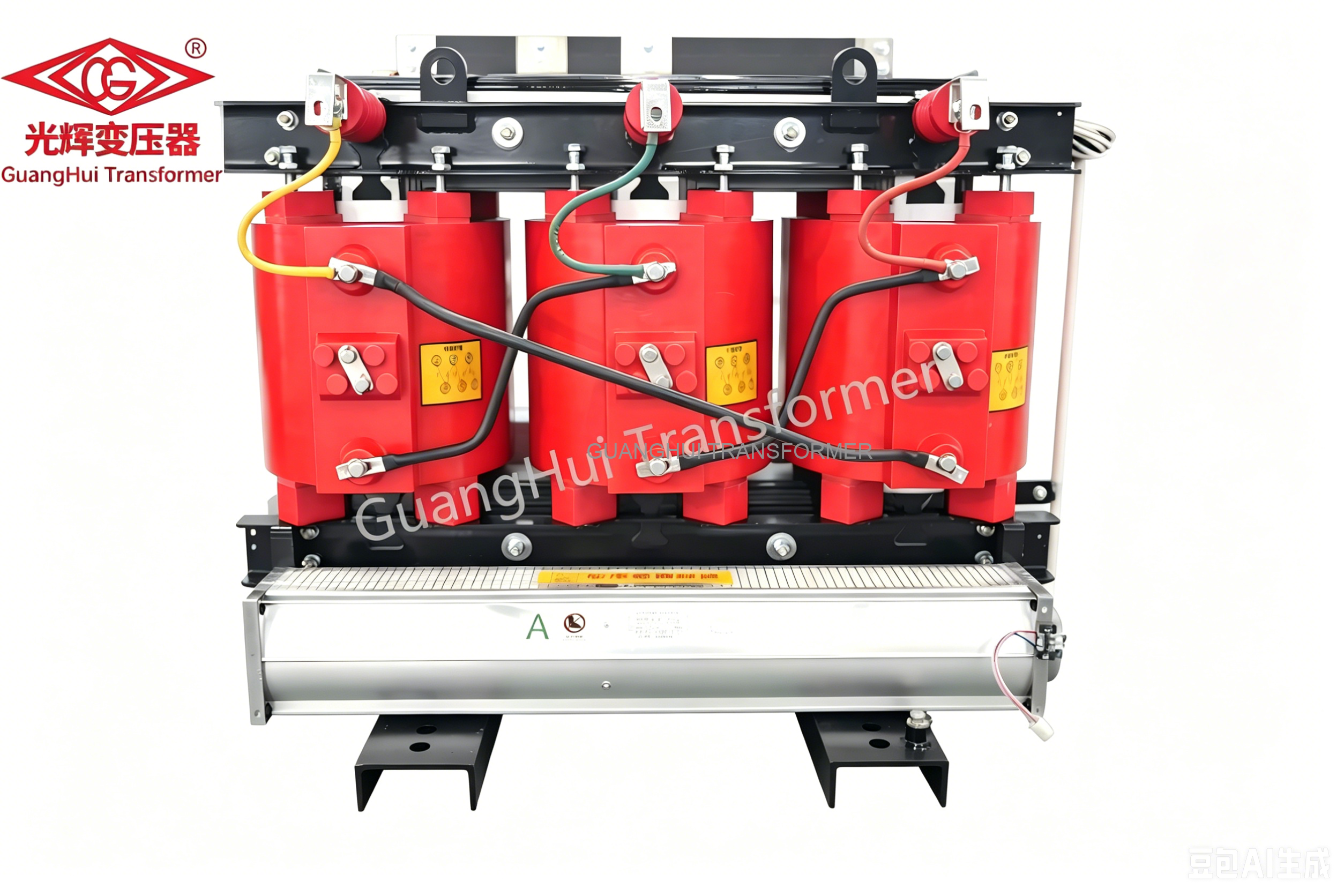
Cast-Resin Coil Dry-Type Transformer (Premium Grade)


