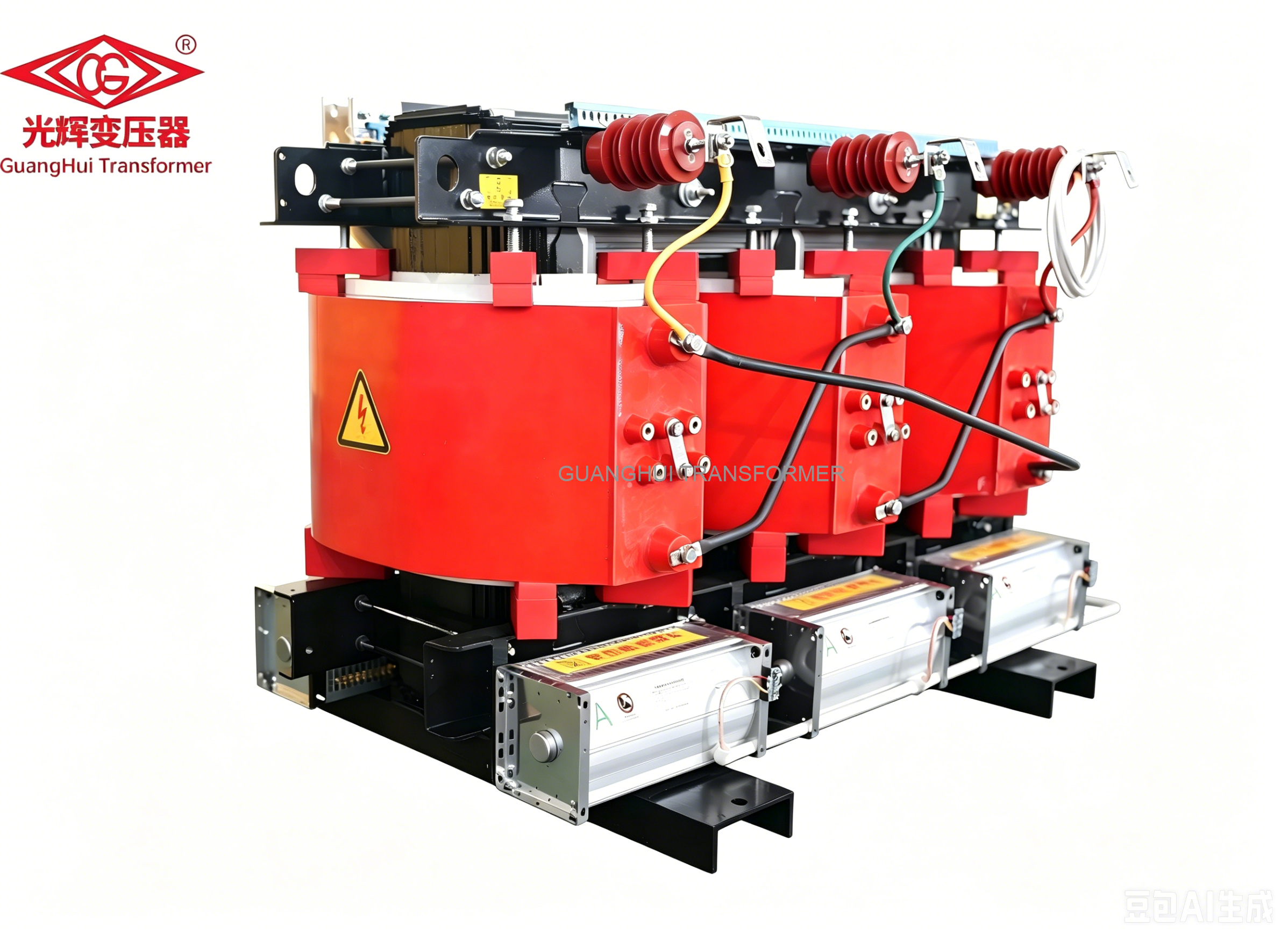
What is dry type transformer
In the realm of electrical power distribution and transformation, transformers play a pivotal role in ensuring the efficient and safe transfer of electrical energy across different voltage levels. Among the various types of transformers available, the dry type transformer has emerged as a preferred choice for numerous applications due to its unique characteristics and advantages. This article aims to provide a comprehensive overview of dry type transformers, exploring their definition, working principle, types, benefits, and applications.
Introduction to Dry Type Transformers
A dry type transformer, as the name suggests, is a type of electrical transformer that operates without the use of liquid insulating mediums such as oil. Instead, it relies on air or solid insulating materials like epoxy resin, varnish, or polyester resin for insulation and cooling purposes. This fundamental difference sets dry type transformers apart from their oil-immersed counterparts, offering a range of benefits that make them suitable for specific environments and applications.
The absence of liquid in dry type transformers eliminates the risks associated with oil leaks, spills, and fires, making them inherently safer and more environmentally friendly. Additionally, their compact design and reduced weight make them easier to install and maintain, especially in confined spaces or areas with limited structural capacity. These characteristics have contributed to the growing popularity of dry type transformers in various industries, including commercial buildings, hospitals, data centers, renewable energy systems, and more.
Working Principle of Dry Type Transformers
Like all transformers, dry type transformers operate on the principle of electromagnetic induction. They consist of a primary winding and a secondary winding, both wound around a laminated iron core. When an alternating current (AC) flows through the primary winding, it generates a changing magnetic field that induces an electromotive force (EMF) in the secondary winding, thereby transferring electrical energy from one circuit to another without any direct electrical connection between the windings.
In dry type transformers, the heat generated during operation is dissipated through natural airflow or forced ventilation, depending on the cooling method employed. Natural air cooling (AN) relies on the convection of air around the transformer's surface to remove heat, while forced air cooling (AF) uses fans or blowers to enhance air circulation and improve cooling efficiency. The choice of cooling method depends on the transformer's size, rating, and application requirements.
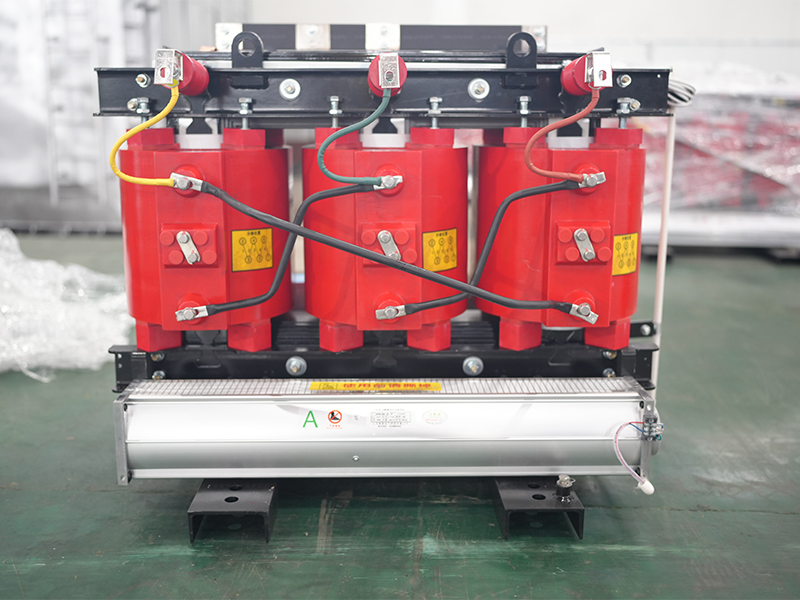
Types of Dry Type Transformers
Dry type transformers can be broadly classified into two main types based on their insulation and encapsulation methods: cast resin dry type transformers (CRT) and vacuum pressure impregnated transformers (VPI).
Cast Resin Dry Type Transformers (CRT): In CRTs, the primary and secondary windings are encapsulated in epoxy resin, providing excellent protection against moisture, dust, corrosion, and other environmental factors. This encapsulation also enhances the transformer's mechanical strength and resistance to short circuits. CRTs are suitable for high humidity areas, indoor installations, and fire-risk areas due to their non-hygroscopic, non-inflammable, and maintenance-free nature. They are available in ratings ranging from a few kVA to several thousand kVA, with insulation classes typically up to F (90°C temperature rise).
Vacuum Pressure Impregnated Transformers (VPI): VPI transformers use a vacuum pressure impregnation process to apply insulating varnish or resin to the windings. This process ensures complete penetration of the insulating material into the winding structure, providing superior insulation and moisture resistance. VPI transformers are known for their high reliability, long service life, and ability to withstand harsh operating conditions. They are often used in industrial applications where durability and performance are critical.
Benefits of Dry Type Transformers
The adoption of dry type transformers offers several advantages over traditional oil-immersed transformers, making them an attractive choice for many applications:
1.Enhanced Safety: The absence of liquid insulating mediums eliminates the risks of oil leaks, spills, and fires, reducing the potential for environmental damage and personal injury. Dry type transformers are also self-extinguishing, further enhancing their safety profile.
2.Environmental Friendliness: Dry type transformers do not contain hazardous substances like polychlorinated biphenyls (PCBs), which were commonly used in older oil-immersed transformers. This makes them more environmentally friendly and compliant with modern environmental regulations.
3.Reduced Maintenance: The solid insulation and air cooling mechanisms of dry type transformers require minimal maintenance compared to oil-immersed transformers. There is no need for regular oil testing, replacement, or spill control measures, reducing operational costs and downtime.
4.Compact Design: Dry type transformers are typically lighter and smaller than oil-immersed transformers of the same rating, making them easier to install and transport. Their compact design also allows for more flexible placement options, including upper floors and rooftops of buildings.
5.Improved Fire Resistance: The non-flammable nature of dry type transformers makes them ideal for installations in areas with high fire risks, such as hospitals, schools, and commercial buildings. They can also be installed closer to the load without the need for extensive fire protection measures.
Applications of Dry Type Transformers
The versatility and benefits of dry type transformers have led to their widespread adoption in various industries and applications:
1.Commercial Buildings: Dry type transformers are commonly used in office buildings, shopping malls, and hotels to provide reliable and safe power distribution. Their compact design and low noise levels make them suitable for indoor installations near occupants.
2.Hospitals: In healthcare facilities, where patient safety is paramount, dry type transformers offer a fire-resistant and maintenance-free solution for power distribution. They are also used in medical imaging equipment and other critical applications where electrical isolation and reliability are essential.
3.Data Centers: Data centers require uninterrupted power supply to ensure the continuous operation of servers and other IT equipment. Dry type transformers provide a reliable and efficient solution for power distribution in these facilities, with their compact design allowing for optimal use of space.
4.Renewable Energy Systems: As the demand for renewable energy sources like solar and wind power grows, dry type transformers are playing an increasingly important role in efficient power conversion and distribution. Their ability to withstand harsh environmental conditions and provide reliable performance makes them ideal for renewable energy installations.
5.Industrial Applications: In industrial settings, where durability and performance are critical, dry type transformers are used to power motors, pumps, and other equipment. Their resistance to short circuits and ability to withstand overloads make them suitable for demanding industrial environments.
Conclusion
In conclusion, dry type transformers represent a significant advancement in transformer technology, offering a range of benefits that make them suitable for various applications. Their enhanced safety, environmental friendliness, reduced maintenance requirements, compact design, and improved fire resistance have contributed to their growing popularity in commercial buildings, hospitals, data centers, renewable energy systems, and industrial applications. As the demand for efficient and reliable power distribution continues to rise, the role of dry type transformers in modern electrical systems is expected to become even more prominent. By understanding the characteristics and advantages of dry type transformers, engineers and designers can make informed decisions when selecting transformers for their projects, contributing to safer, more efficient, and more sustainable power distribution solutions.