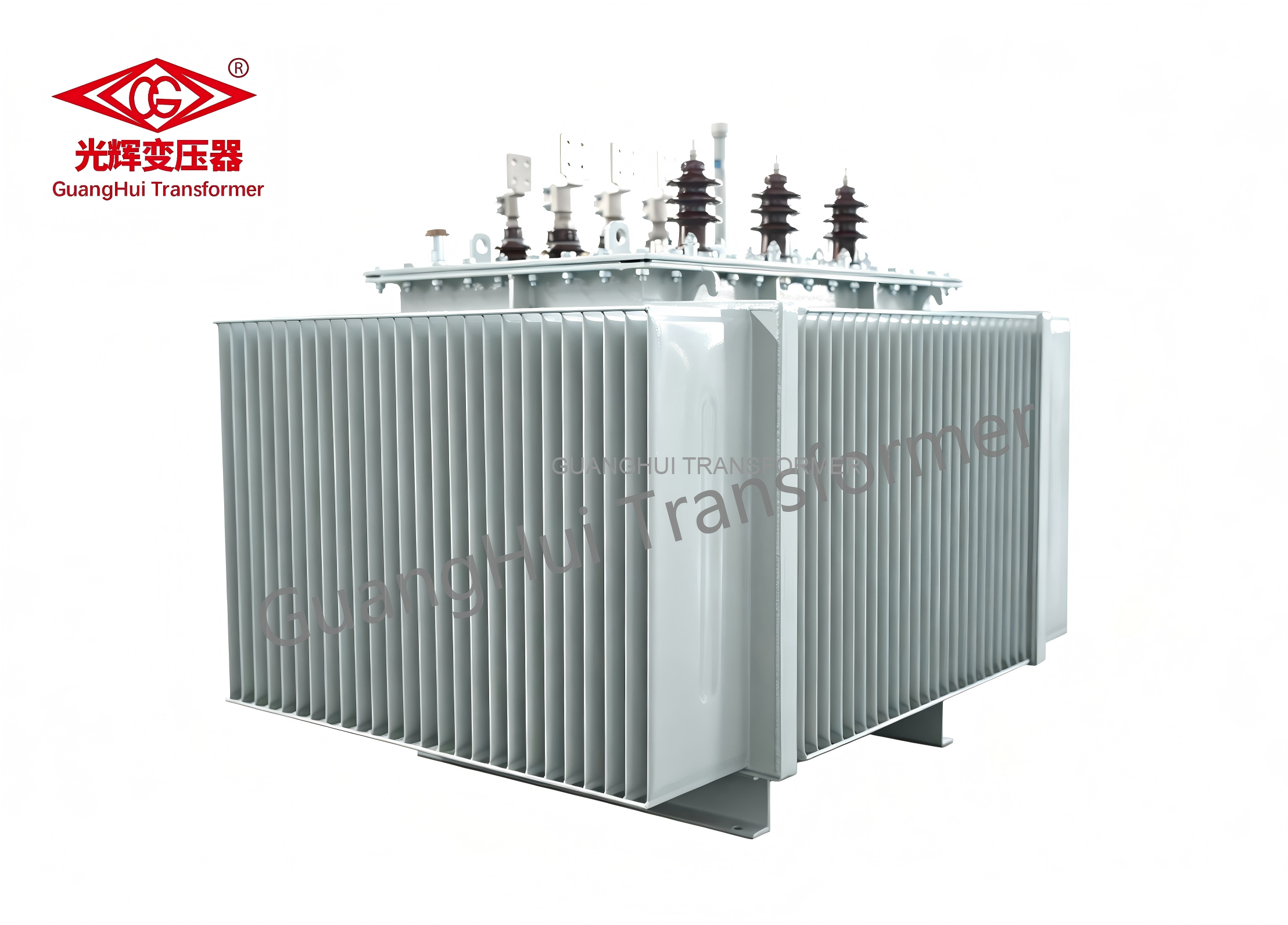
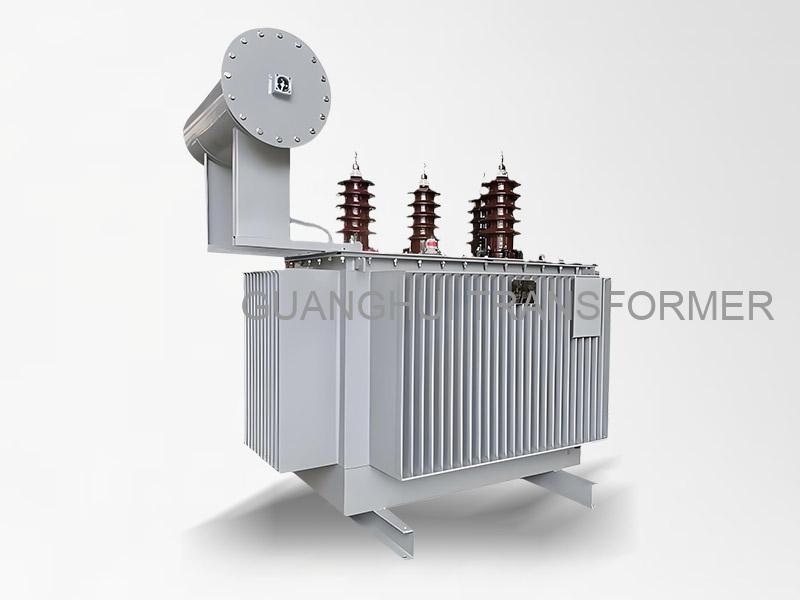
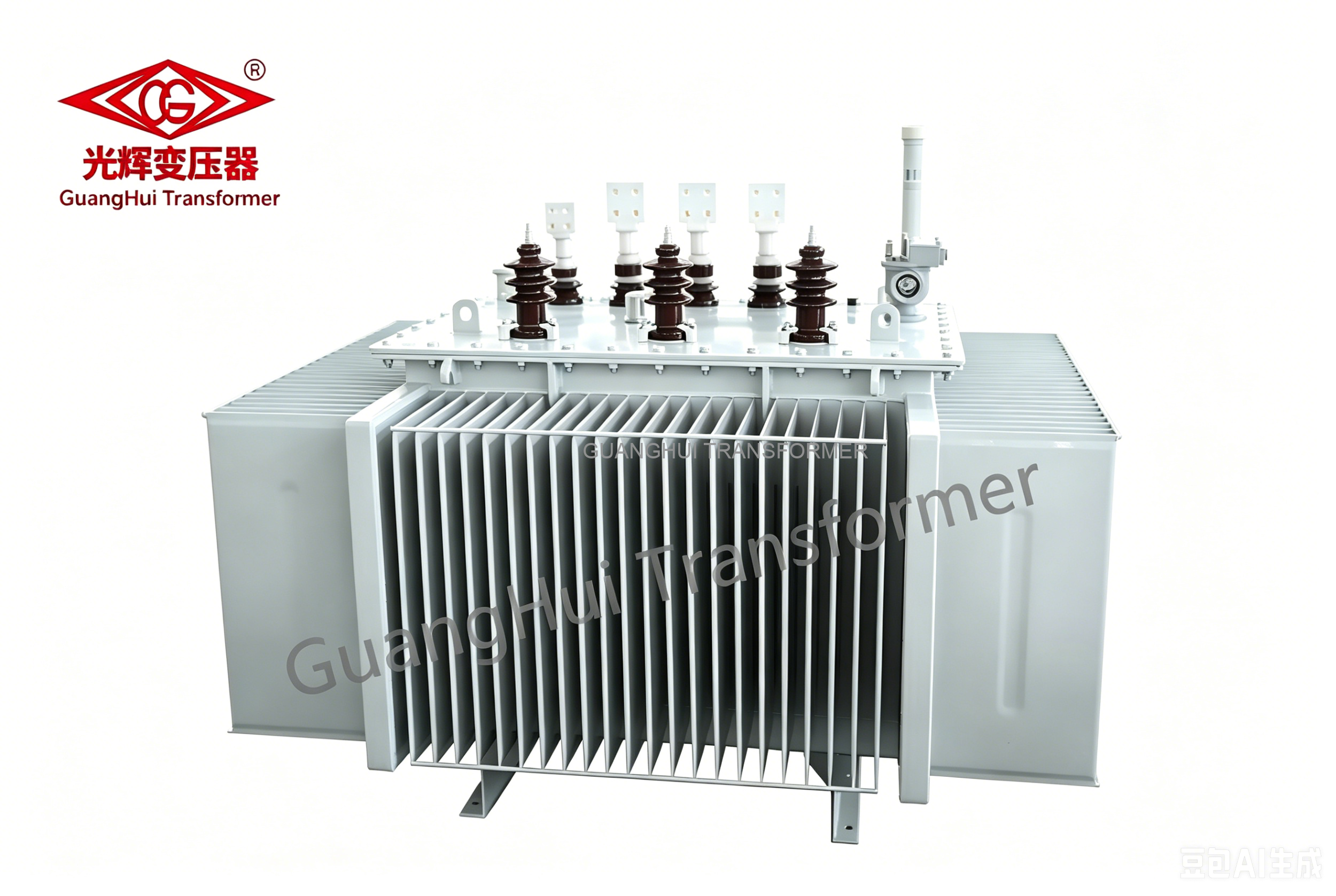
How an oil-filled transformer works
When you use an oil-filled transformer, you get a device that changes voltage levels while staying safe and cool. The oil inside helps in several ways:
It gives strong insulation, so you can keep electrical parts close together.
It absorbs heat from the core and windings.
It moves heat away, which stops overheating and protects the transformer.
Oil works better than air because it has higher dielectric strength and better thermal conductivity. This makes the oil-filled transformer a smart choice for handling high voltages and heavy loads.
Key Takeaways
Oil-filled transformers use oil for insulation and cooling, making them safe and efficient for high voltage applications.
Regular maintenance, including oil quality checks, is crucial to prevent overheating and ensure long-term reliability.
The core and windings work together to transform voltage, while the oil circulates to manage heat effectively.
Choosing an oil filled transformer offers benefits like high efficiency, long service life, and suitability for outdoor use.
Be aware of potential risks, such as fire hazards and environmental impact, and follow safety guidelines for operation.
Oil-Filled Transformer Components
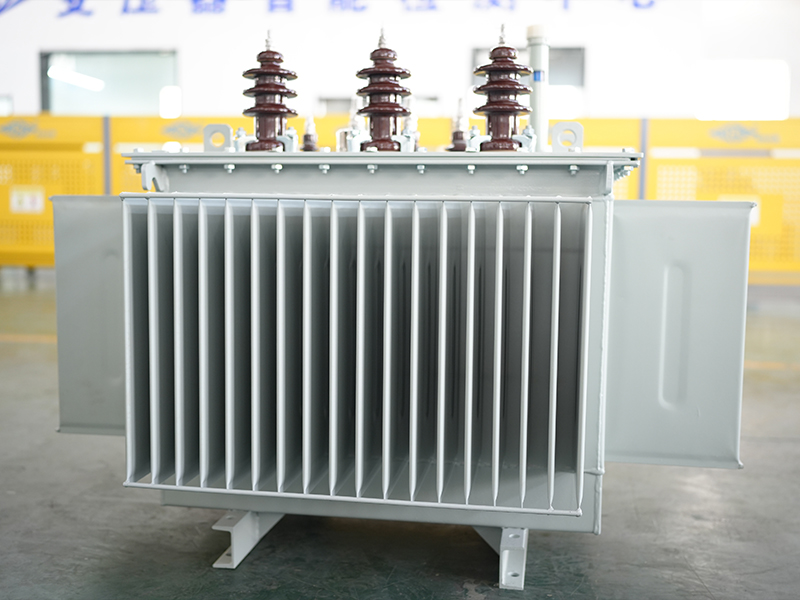
Understanding the main parts of an oil-filled transformer helps you see how it works to deliver safe and reliable power. Each component has a special job that keeps the transformer running smoothly.
Core Function
The core sits at the heart of the oil-filled transformer. It creates a path for magnetic flux, which is the invisible force that moves energy from one winding to another. Most cores use thin sheets of silicon steel. This design lowers energy losses and makes the transformer more efficient. You can find different core shapes, such as E-I, U-I, and toroidal. Each shape offers unique benefits for performance and efficiency.
Material/Design Feature | Description |
|---|---|
Silicon Steel | Thin laminations guide magnetic flux and reduce losses. |
Amorphous Metal | Lowers energy loss even more for high-efficiency models. |
Ferrite | Used for special high-frequency needs. |
Core Shapes | E-I, U-I, and toroidal shapes suit different uses. |
The core’s job is to give a low-resistance path for magnetic flux. This helps transfer energy between the windings with less waste.
Windings Role
Windings are coils of wire wrapped around the core. You find two main types: the primary winding and the secondary winding. The primary winding takes in the input voltage. The secondary winding sends out the changed voltage. The oil in an oil-filled transformer surrounds these windings. This oil gives strong insulation and keeps the windings cool. Because of the oil, the windings can sit closer together, which makes the transformer smaller and more efficient. The oil also stops short circuits and helps the transformer handle high voltages safely.
Oil Tank Purpose
The oil tank holds the core, windings, and transformer oil. It acts as a shield, keeping everything safe inside. The oil tank does three important things:
It boosts electrical insulation, stopping breakdowns.
It absorbs heat from the core and windings.
It moves heat to the outside, so the transformer stays cool.
You can trust the oil tank to keep the transformer safe and working well, even when handling heavy loads or high voltages.
Role of Oil in Transformers
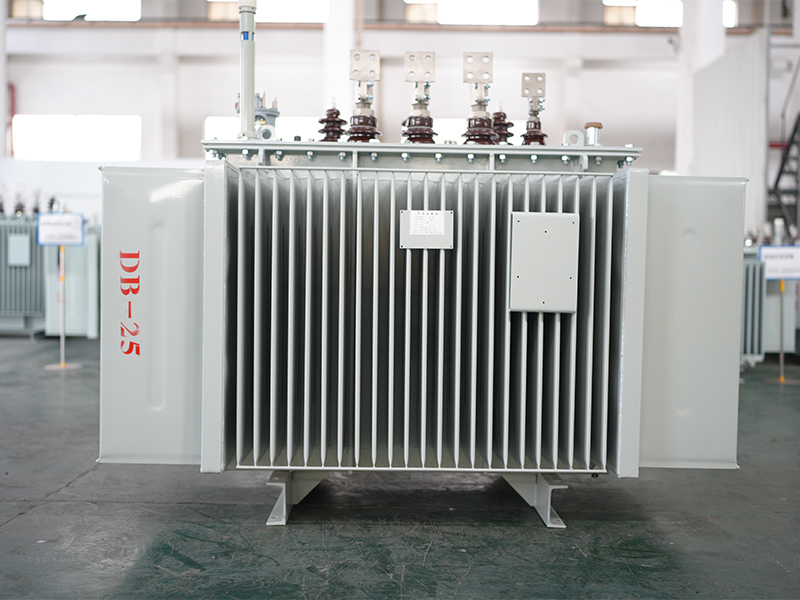
Insulation Benefits
You rely on transformer oil to keep the electrical parts safe inside an oil-filled transformer. The oil fills tiny gaps between the windings and the core, pushing out air that could cause electrical breakdowns. This fluid has high dielectric strength, so it stops electricity from jumping between parts and prevents short circuits. The oil also spreads voltage evenly, which helps the transformer handle high voltages without trouble.
Medium | Breakdown Voltage (kV/mm) | Key Insulation Benefit |
|---|---|---|
Transformer Oil | ~12–28 | High dielectric strength, uniform voltage distribution, arc suppression |
Air | ~3 | Limited insulation capability, prone to ionization |
Paper (dry) | ~20–40 | Good dielectric strength but lacks uniformity and gap-filling ability |
You see that transformer oil works better than air or dry materials because it fills every space and keeps the voltage steady. This makes oil-filled transformers ideal for high-capacity and high-voltage uses.
Cooling and Heat Control
Transformer oil does more than insulate. It keeps the transformer cool by absorbing heat from the windings and the core. The oil moves this heat to the outside, where it releases it into the environment. This process protects the transformer from overheating and keeps it working efficiently.
Absorbs heat from conductors and magnetic core
Circulates heated oil away from the source
Transfers thermal energy to external radiators
Releases heat into the environment
Maintains acceptable operational temperature range
You depend on this cooling system to prevent damage and extend the life of your transformer.
Why Oil Matters
Filling is not just filling. Depending on transformer size, oil type, and temperature conditions, the technical requirements change significantly. Precisely controlled vacuum management, an adapted filling speed, and controlled oil quality are crucial for long-term operational reliability.
You need to pay attention to the quality and handling of transformer oil. The oil insulates energized parts and carries heat away. Over time, heat, oxygen, and moisture can change the oil’s chemistry, leading to oxidation and buildup of contaminants. Regular checks and careful filling help keep your oil-filled transformer reliable and efficient for many years.
Oil-Filled Transformer Operation
Voltage Transformation
You use an oil-filled transformer to change voltage levels safely and efficiently. The process starts when electricity enters the primary winding. This winding creates a magnetic field in the core. The core then passes this energy to the secondary winding. The number of turns in each winding decides if the voltage goes up or down. If the secondary winding has more turns, you get a higher voltage. If it has fewer turns, you get a lower voltage. This simple process lets you power homes, factories, and even electric vehicles with the right voltage.
Heat and Oil Circulation
When electricity flows through the windings and core, heat builds up. You need a way to keep the transformer cool. The oil inside the transformer does this job well. Here is how the oil moves heat away:
Transformer oil absorbs heat from the windings and core.
The heated oil rises and moves to the top of the transformer tank.
It flows into cooling radiators for heat dissipation.
Cooled oil returns to the bottom of the tank, creating a natural circulation loop.
This cycle keeps the temperature safe. You do not need pumps or fans for this process. The oil moves on its own, using the difference in temperature. This natural flow protects the transformer from overheating and helps it last longer.
Tip: Regular checks of oil quality help keep your transformer running smoothly and prevent heat problems.
Component Interaction
Each part of an oil-filled transformer works together to give you safe and reliable power. You can see how these components interact in the table below:
Component | Function |
|---|---|
Core | Forms the heart of the transformer where voltage transformation occurs. |
Windings | Work with the core to facilitate the transformation of voltage. |
Insulating Fluid | Provides cooling and electrical insulation to prevent overheating. |
Tank | Houses the core, windings, and insulating fluid. |
Radiators | Help dissipate heat generated during operation. |
Bushings | Connect internal windings to external circuits. |
Protective Devices | Ensure safe operation by detecting faults and relieving pressure. |
You depend on each part to do its job. The core and windings handle the voltage change. The oil keeps everything cool and insulated. The tank and radiators protect and cool the inside parts. Bushings let you connect the transformer to outside wires. Protective devices keep you safe by stopping problems before they get worse. When all these parts work together, your oil-filled transformer delivers power safely and efficiently.
Safety and Maintenance
Oil’s Role in Fault Prevention
You depend on transformer oil to keep your equipment safe. The oil inside your transformer does more than just cool. It prevents electrical faults and failures by providing strong insulation and protecting against moisture and corrosion. The oil also helps stop electrical arcs during faults. You can see the main functions of transformer oil in the table below:
Function | Description |
|---|---|
Insulation | Prevents electrical breakdown between windings and core. |
Cooling | Transfers heat away from transformer components to maintain optimal performance. |
Protection | Guards against moisture, oxidation, and corrosion inside the transformer. |
Arc Quenching | Helps suppress electrical discharges during faults. |
When you use a high-quality oil-filled transformer, you lower the risk of short circuits and unplanned outages. The oil keeps voltage levels stable and helps your equipment last longer.
Maintenance Practices
You can keep your transformer reliable by following simple maintenance steps. Start with daily checks of radiator fins and vents to make sure nothing blocks airflow. Schedule regular oil sampling and dissolved gas analysis to monitor the health of your transformer. Look for oil leaks during routine inspections. Pay attention to any strange noises or vibrations. If you work in a high-risk area, increase your maintenance checks. Always record your findings, such as oil temperature and visual signs, so you can track changes over time.
Tip: Sealed systems, like those in Changzhou Guanghui’s oil-immersed transformers, help keep moisture and contaminants out. This design reduces the need for frequent maintenance and extends service life.
Common Issues
You may face some common issues with oil-filled transformers, but you can prevent most of them with good practices:
Insulation failure can happen if you skip regular inspections and testing.
Overheating may occur if you do not monitor load and temperature.
Moisture ingress is less likely with sealed systems, but always check for leaks.
Mechanical damage can result from improper handling or transport.
Oil contamination is rare with proper care, but regular oil checks are important.
Modern transformers, like those from Changzhou Guanghui, use hermetically sealed designs and advanced features to prevent these problems. Regular oil tests, such as checking dielectric strength and moisture content, help you catch issues early and keep your transformer running smoothly.
Advantages and Comparison
Oil-Filled vs. Dry-Type
You might wonder how oil-filled transformers compare to dry-type transformers. Both have their uses, but they differ in efficiency, cost, and where you can use them. The table below shows a clear comparison:
Aspect | Dry-Type Transformers | Oil-Immersed Transformers |
|---|---|---|
Efficiency | 97.5%–98.7% | 98.5%–99.3% |
Initial Cost | Higher | Lower |
Maintenance | Lower (no oil handling) | Higher (requires oil testing) |
Application Suitability | Indoor, fire-sensitive areas | High voltage, outdoor use |
Oil-filled transformers offer higher efficiency and lower initial cost. You can use them outdoors and in high-voltage settings. Dry-type transformers suit indoor or fire-sensitive places better because they do not use oil.
Key Benefits
Choosing an oil-filled transformer brings many advantages, especially if you work in industrial or renewable energy fields. Here are some key benefits you gain:
Benefit | Application |
|---|---|
Excellent cooling | Stable heavy-load operation |
High dielectric strength | Reliable high-voltage insulation |
Strong overload capability | Operational flexibility |
Long service life | Reduced replacement costs |
High efficiency | Lower operating expenses |
Renewable energy projects also benefit from oil-filled transformers. They handle outdoor conditions well and manage variable power generation smoothly:
Renewable Energy Requirement | Oil-Filled Advantage |
|---|---|
Outdoor operation | Weather-resistant design |
Variable generation | Thermal stability |
Utility interconnection | High-voltage capability |
Changzhou Guanghui’s oil-immersed transformers excel in these areas. They provide energy efficiency that meets modern standards and handle overloads up to 150%-200% for short periods. Their hermetically sealed design keeps moisture out, extending service life beyond 30 years. Plus, they come with a 3-year warranty for peace of mind.
Limitations
While oil-filled transformers offer many benefits, you should be aware of some challenges:
Fire Risk: The mineral oil inside is flammable, so safety measures are essential.
Environmental Impact: Oil leaks can harm soil and water since mineral oil is not biodegradable.
Maintenance Needs: You must perform regular oil testing, filtration, and proper disposal.
Installation Challenges: These transformers often require outdoor placement and extra safety systems.
Despite these points, modern designs like those from Changzhou Guanghui reduce risks with sealed tanks and advanced insulation. You get reliable, efficient power with proper care and maintenance.
Tip: Always follow safety guidelines and schedule regular inspections to keep your oil-filled transformer running safely and efficiently.
Oil-filled transformers remain a top choice for outdoor substations, industrial parks, and renewable energy integration. Their superior cooling, high voltage handling, and long service life make them a smart investment for your power needs.
You see that an oil-filled transformer changes voltage safely and keeps cool with oil. Oil gives strong insulation and helps control heat. Modern designs offer high reliability and efficiency. You can check the main factors in the table below:
Factor | Description |
|---|---|
Cooling & Insulation | Oil provides excellent heat dissipation and insulation. |
Size & Capacity | Suitable for high voltage and large power rating applications. |
Life Span | Longer operational life due to efficient cooling. |
Efficiency | Higher efficiency compared to dry type transformers. |
Safety & Reliability | High reliability in outdoor/grid applications with fire protection. |
You can use oil-filled transformers in many places:
Power systems need high voltage and robust insulation.
Large power loads and thermal stress are handled well.
Electrical substations, industrial plants, and renewable energy projects use them.
They fit high-load and mission-critical jobs.
Choose an oil-filled transformer for safe, efficient, and reliable power in your next project.
FAQ
What is the main job of transformer oil?
You use transformer oil to keep your transformer cool and safe. The oil insulates electrical parts and carries heat away. This helps your transformer work longer and prevents damage.
How often should you check transformer oil?
You should check the oil at least once a year. Look for changes in color, smell, or clarity. Regular checks help you catch problems early and keep your transformer running well.
Can you use oil-filled transformers outdoors?
Yes, you can use oil-filled transformers outdoors. They handle weather changes well. Sealed tanks protect the oil from rain and dust. You find these transformers in substations, factories, and renewable energy sites.
What happens if transformer oil gets dirty?
Dirty oil loses its insulating power. This can cause overheating or electrical faults. You should replace or filter the oil if you see dirt or moisture.
How long does an oil-filled transformer last?
You can expect an oil-filled transformer to last over 30 years with good care. Sealed designs and regular maintenance help extend its life.