


What is the life expectancy of a cast resin transformer
A cast resin type transformer usually operates for 20 to 30 years. Proper maintenance can extend this lifespan up to 40 years. The SCB Series from Changzhou Guanghui Transformer Manufacturing Co.,Ltd. shows how advanced design increases reliability. Several factors affect how long these transformers last:
High temperatures speed up insulation aging.
Regular maintenance, such as cleaning and testing, prevents early failures.
Strong materials and high insulation class boost durability.
Key Takeaways
Cast resin transformers typically last 20 to 30 years, but proper maintenance can extend their lifespan to 40 years.
Regular maintenance, including cleaning and testing, is crucial for preventing early failures and ensuring reliable operation.
Temperature control is vital; every 10°C increase can halve insulation life, so good cooling systems are essential.
Advanced design features, like high-quality insulation and moisture resistance, significantly enhance durability and performance.
Routine inspections and monitoring can detect issues early, helping to avoid unexpected failures and extend service life.
Cast Resin Type Transformer Lifespan
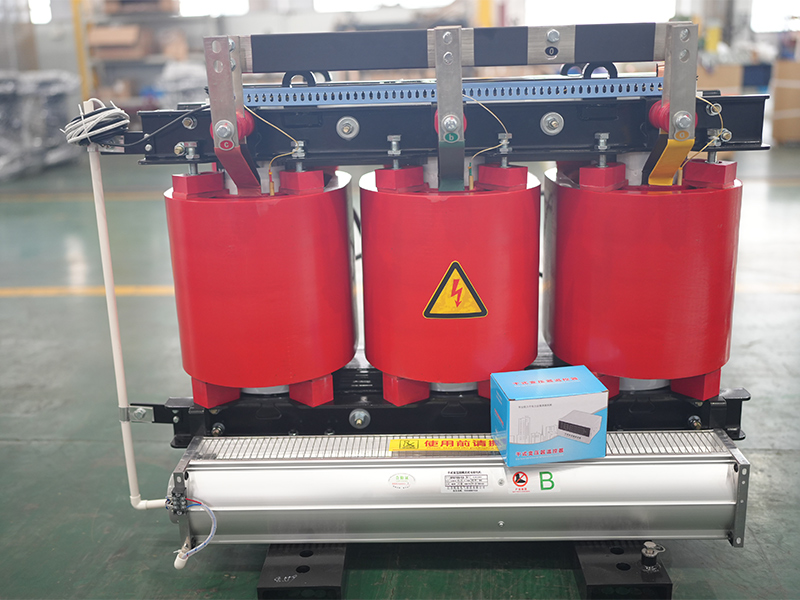
Average Service Life
A cast resin type transformer usually serves for 20 to 30 years in most installations. With proper maintenance, some units can reach up to 40 years of reliable operation. Manufacturers design these transformers to meet strict industry standards. For example, the SCB Series from Changzhou Guanghui Transformer Manufacturing Co.,Ltd. uses advanced materials and construction methods. These features help the transformer last longer and perform better in demanding environments.
Many companies offer warranties that cover both materials and workmanship. These warranties show confidence in the durability of the transformer. However, the actual service life often goes beyond the warranty period when users follow recommended maintenance schedules.
Factors That Extend or Shorten Lifespan
Several factors can influence how long a cast resin type transformer will last. The following table highlights key design features and their contributions to a longer service life:
Design Feature | Contribution to Lifespan |
|---|---|
Class H Insulation | Enhances electrical insulation and mechanical stability, providing strong turn-to-turn insulation. |
Vacuum Resin Casting | Eliminates internal air voids, reducing partial discharge risk and improving dielectric reliability. |
Moisture Resistance | Hydrophobic properties prevent moisture absorption, maintaining dielectric strength in humid environments. |
Thermal Stability | Maintains dielectric properties at high temperatures, ensuring consistent electrical performance. |
Improved Insulation Thickness Control | Ensures consistent dielectric margins and reduces weak spots through precise mold design. |
The SCB Series includes these features, which help the transformer resist aging and electrical stress. Temperature plays a major role in transformer lifespan. The "10-degree rule" states that for every 10°C increase in temperature, insulation aging doubles. This means that even a small rise in temperature can cut the expected service life in half. Good cooling systems, such as the natural air (AN) and forced air (AF) modes in the SCB Series, help keep temperatures low and extend the transformer's life.
Other factors can also shorten or extend the lifespan:
Harmonics in the electrical system cause extra heat and stress, which can reduce efficiency and shorten the transformer's life.
Proper system sizing helps prevent overloading and ensures the transformer operates within safe limits.
Moisture, dust, and harsh environments can damage insulation and other components if not controlled.
A cast resin type transformer with strong design features and proper installation will last longer and provide reliable service for many years.
Factors Affecting Lifespan
Temperature and Cooling
Temperature control plays a major role in the life of a cast resin type transformer. When heat builds up inside the transformer, insulation materials can break down faster. The SCB Series uses advanced cooling channels and resin with high thermal conductivity. These features help move heat away from the core and windings. The transformer offers both natural air (AN) and forced air (AF) cooling modes. This flexibility keeps temperatures within safe limits, even during heavy use.
Proper installation allows air to flow freely around the transformer, preventing hot spots.
Good ventilation stops insulation from degrading and keeps the transformer running longer.
Every 6–8°C rise above the rated temperature can cut insulation life in half.
Well-ventilated transformers handle higher loads safely and maintain efficiency.
A transformer fails by heat before it fails by load. Poor cooling design leads to overheating, insulation degradation, and reduced transformer life. Because transformers do not fail suddenly. They degrade silently due to heat.
Loading and Electrical Stress
The amount of electrical load placed on a cast resin type transformer affects its lifespan. When the transformer carries more current, it gets hotter. High loads over long periods can cause insulation to age faster and lose strength.
Increased load raises the temperature inside the transformer.
Overloading reduces efficiency and puts extra stress on all parts.
Continuous high loads can lead to sudden failure and shorten service life.
The SCB Series uses full copper windings and robust construction. These features help the transformer manage electrical stress and maintain stable performance.
Environmental Conditions
Environmental factors such as humidity and dust can damage a cast resin type transformer. Moisture and fine particles can enter the core or coils, breaking down insulation and causing electrical problems.
Moisture and dust are among the most destructive environmental contaminants for transformers. When water vapor or fine particulates infiltrate the core or coils, they degrade insulation, reduce dielectric strength, corrode conductors, and lead to tracking, arcing, or complete electrical failure. In dry-type transformers, which lack the protective oil bath found in oil-filled units, moisture and dust ingress must be proactively controlled through specialized design and material techniques. Without these protections, transformer reliability, safety, and service life are seriously compromised.
Case studies show that transformers with advanced moisture protection, like those in the SCB Series, perform well even in harsh climates. Good design and regular cleaning help prevent damage from the environment and keep the transformer working for many years.
Maintenance and Longevity
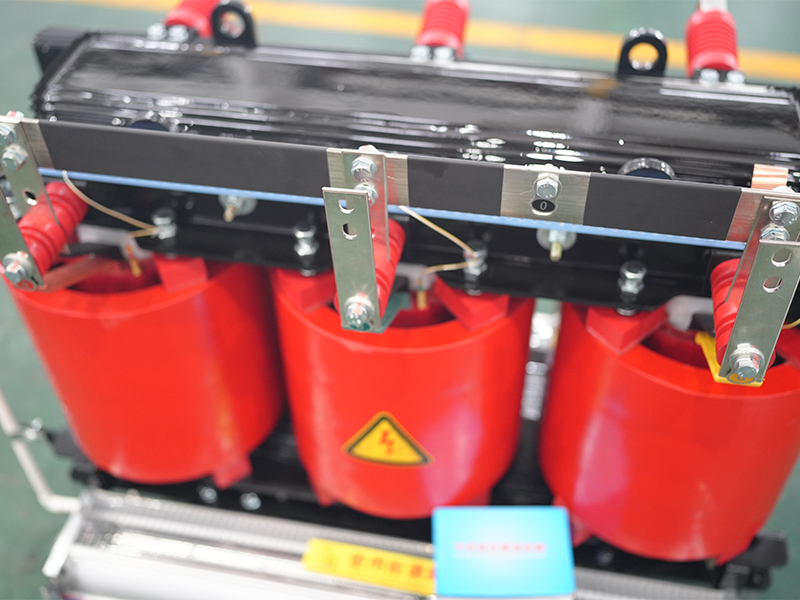
Routine Checks and Cleaning
Routine maintenance keeps a cast resin type transformer running safely and efficiently. Technicians perform visual inspections to spot dust buildup, signs of overheating, and mechanical issues. They clean surfaces and remove dust to prevent heat from accumulating. Qualified staff test insulation resistance and check the overall condition. These steps help prevent unexpected failures and maintain performance.
Visual inspections detect early warning signs.
Cleaning routines remove dust and debris.
Electrical testing checks insulation and reliability.
Regular maintenance protects transformers from overheating and extends their service life.
Preventive Maintenance
Preventive maintenance helps transformers last longer. Industry reports show that regular care can extend the service life by 5–10 years. Technicians schedule checks and replace worn parts before problems develop. They monitor temperature, inspect windings, and verify cooling systems. The SCB Series benefits from these practices, which keep the transformer in top condition.
Maintenance Type | Expected Service Life |
|---|---|
Regular Preventive Maintenance | 15–30 years |
Preventive maintenance reduces the risk of sudden breakdowns and improves reliability.
Upgrades and Monitoring
Upgrading transformers with advanced monitoring systems increases operational lifespan. These systems track winding temperatures and alert staff to abnormal conditions. Retrofitting can lower fan energy consumption by 67%, saving energy and money. Noise levels drop by 12 dB(A), making the environment quieter. Temperature cycling amplitude decreases from 18°C to 6°C, which reduces thermal stress and extends the projected lifespan by 10–12 years.
Monitoring systems detect issues early.
Upgrades improve efficiency and safety.
Reduced thermal stress leads to longer service life.
The SCB Series supports these upgrades, helping users maximize the value of their cast resin type transformer.
Signs of Aging or Failure
Physical Changes
Aging cast resin transformers often show clear physical signs before failure. Technicians look for these changes during inspections. Some of the most common signs include:
Unusual humming, buzzing, or crackling sounds
Burning smell or visible discoloration
Abnormally hot housing during normal operation
Discoloration on the resin surface may signal overheating or insulation breakdown. A transformer that feels much hotter than usual could have internal problems. Burn marks or melted spots on the casing also indicate trouble. These physical changes help maintenance teams spot issues early and prevent unexpected outages.
Electrical Performance Issues
Electrical problems often appear as a transformer ages. Voltage drops, irregular output, or frequent tripping of protection devices can signal internal faults. Sometimes, insulation weakens and causes partial discharges. This can lead to reduced efficiency and higher energy losses. Technicians may notice that the transformer cannot handle its normal load. In some cases, the unit may trip off more often, even under standard operating conditions. These performance issues suggest that the transformer needs attention or possible replacement.
Unusual Noises or Smells
Strange noises or smells often warn of serious transformer problems. Maintenance records show that changes in sound or odor can reveal specific faults. The table below explains what these cues might mean:
Cue | Interpretation |
|---|---|
Humming changes or buzzing | Indicates core loosening or vibration fatigue |
Clicking or arcing sounds | Suggests loose contacts or internal discharge |
Burning smell or ozone odor | Points to insulation degradation or arcing near terminals |
A sudden change in the normal hum, or the presence of a burning or ozone-like smell, should prompt immediate inspection. These warning signs help prevent costly failures and keep the transformer running safely.
Maximizing Service Life
Proper Installation
Proper installation helps a cast resin transformer reach its full service life. Technicians follow several important steps to ensure safe and reliable operation:
Prepare a flat and sturdy base for the transformer. This keeps the unit stable and prevents movement.
Leave enough space around the transformer for air to flow. Good ventilation helps remove heat.
Use strong brackets or bolts to secure the transformer. This reduces vibration and noise.
Check all electrical connections for tightness. Loose connections can cause faults or overheating.
Inspect the cast resin insulation for cracks or damage. Good insulation prevents electrical problems.
Make sure the cooling system is clear and free from blockages.
The SCB Series offers a compact design that fits well in many locations. Its flame-retardant and explosion-proof features add extra safety during installation.
Monitoring and Early Detection
Regular monitoring helps spot problems before they become serious. Maintenance teams use several tools and methods:
Schedule preventive and predictive maintenance programs.
Perform visual inspections to find signs of wear, corrosion, or overheating.
Use thermal imaging to check for hot spots inside the transformer.
Test insulation and contact resistance to verify performance.
Set up customized maintenance schedules based on the facility’s needs.
The SCB Series includes an intelligent temperature controller and fault alarms. These features alert staff to abnormal conditions. The RS485 interface allows for centralized monitoring, making it easier to track the transformer's health.
Early detection of issues can add years to a transformer's service life.
When to Replace
Knowing when to replace a transformer prevents unexpected failures. Signs that a transformer may need replacement include:
Frequent tripping or shutdowns during normal loads.
Rising operating temperatures, even with proper cooling.
Repeated alarms from monitoring systems.
Physical damage, such as cracks or burn marks on the resin.
Technicians should consult with experts if these signs appear. Replacing an aging transformer with a modern unit, like the SCB Series, ensures continued safety and reliability.
Cast resin transformers usually last 20 to 30 years. Advanced models like the SCB Series can reach 35 years or more with proper care. The table below shows what affects their lifespan:
Key Factor | Description |
|---|---|
Manufacturing Quality | High-quality materials and precise processes matter most. |
Operating Load | Staying within rated limits keeps transformers cooler. |
Cooling and Ventilation | Good airflow prevents overheating. |
Environmental Conditions | Clean, dry spaces help transformers last longer. |
The SCB Series stands out with H-grade insulation, copper windings, and flame-retardant features. These qualities give it a longer life and less need for maintenance.
Technicians should follow best practices like routine inspections, proper installation, and good ventilation. They can also consult experts for technical support and maintenance guidance.
FAQ
How often should technicians inspect a cast resin transformer?
Technicians should inspect cast resin transformers at least once every six months. Regular checks help spot dust buildup, loose connections, or early signs of wear. Early detection keeps the transformer safe and reliable.
What makes the SCB Series different from standard transformers?
The SCB Series uses high-purity copper windings and vacuum resin casting. These features give the transformer better cooling, higher insulation, and longer service life. The design also helps the transformer resist moisture and dust.
Can a cast resin transformer run in humid or dusty places?
Yes. Cast resin transformers like the SCB Series work well in humid or dusty environments. The solid resin coating protects the windings from moisture and dirt, keeping the transformer safe and efficient.
What are the main signs that a transformer needs replacement?
Frequent tripping, rising temperatures, or visible cracks on the resin surface signal that a transformer may need replacement. Unusual noises or burning smells also warn of serious problems.


