


What is a compact transformer
Definition of Compact Transformers | Primary Functions of Compact Transformers |
|---|---|
Compact transformers are designed to be more adaptable and customizable compared to traditional transformers. | They provide tailored solutions for various applications, ensuring suitability for specific needs, especially in limited space environments. |
Compact designs are essential for installations in space-constrained urban environments.
Energy-efficient transformers are increasingly preferred, showing a shift towards sustainability.
Urban data center hubs and edge computing drive the demand for compact substations.
You see the need for safe, durable, and space-saving technology growing fast. Cities expand, and renewable energy projects rise. A compact transformer helps you meet these challenges by fitting into tight spaces and supporting clean energy goals.
Key Takeaways
Compact transformers save space, making them ideal for urban environments and tight installations.
They offer zero-maintenance designs, reducing long-term costs and saving time on upkeep.
Advanced materials and engineering ensure high efficiency and safety, supporting modern energy needs.
Quick installation of compact transformers speeds up projects, allowing for faster deployment in various applications.
These transformers are versatile, fitting well in commercial buildings, renewable energy sites, and energy storage systems.
Compact transformer features
Size and design
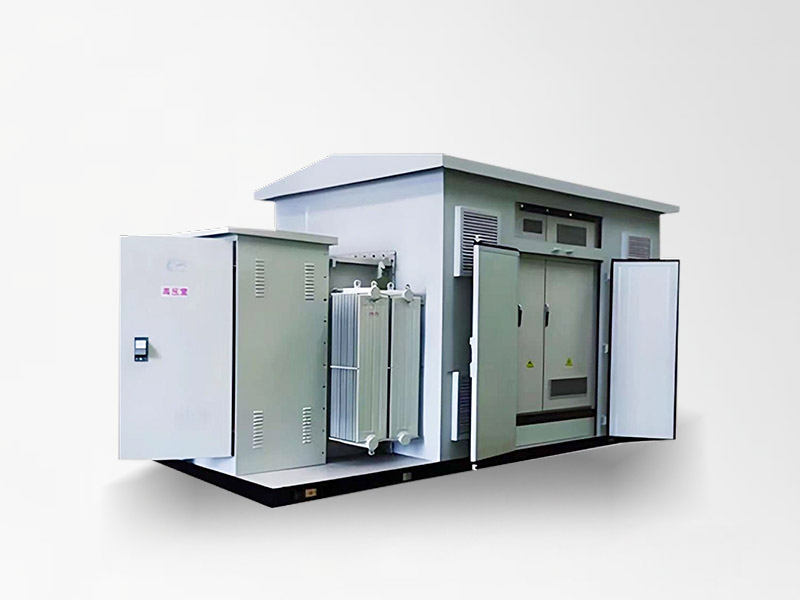
You will notice that a compact transformer stands out because of its small size and smart design. Unlike traditional transformers, which are often large and heavy, a compact transformer uses advanced engineering to reduce its footprint. For example, the New Energy & Compact Substation from Changzhou Guanghui Transformer Manufacturing Co., Ltd. occupies only one-tenth of the space of a conventional substation. This makes it perfect for places where space is limited, such as city buildings or busy industrial parks.
The design includes a fully enclosed, weather-resistant enclosure. This means you can install it outdoors or indoors without worrying about rain, dust, or harsh weather. The enclosure keeps all parts safe and helps the transformer last longer. The compact transformer also comes in different configurations, like 11kV 1000kVA and 33kV 500kVA, so you can choose the right size for your needs.
Materials and construction
You get strong and reliable performance from the materials used in a compact transformer. Manufacturers use high-quality insulation systems, such as Kraft paper, aramid paper, and special insulating liquids like mineral oil or FR3 natural ester. These materials help the transformer handle high voltage and heat, making it safe and durable.
The core and coil assembly uses special metals and winding shapes. This keeps the transformer stable, even during power surges.
The tank, which holds the main parts, is made from mild steel and covered with protective coatings. These coatings stop rust and damage from sunlight or salty air.
Cooling and insulating oils, like FR3, give extra fire safety and help the transformer last longer.
Bushings and terminals use porcelain or strong polymers. These materials resist pollution and breaking, so you get a longer service life.
You can trust that each compact transformer meets important international standards, such as IEC 60076 and ANSI C57. These standards make sure the transformer is safe, efficient, and reliable.
Tip: Always check for certifications like IEC or ANSI when choosing a compact transformer. This ensures you get a product that meets global safety and quality rules.
Space-saving benefits
You will see big space-saving benefits when you choose a compact transformer. In real-world projects, these transformers can cut the needed space by up to 50% compared to traditional models. For example, a 1500 kVA compact substation installed in a Dubai high-rise saved valuable floor space and reduced installation time by 30%.
You can install a compact transformer quickly because it arrives as a nearly complete unit. This plug-and-play design means less work on-site and lower construction costs.
The lightweight and small size make it easy to move and fit into tight spots, even in crowded cities.
You do not need to worry about regular maintenance. The zero-maintenance design means you save money and time over the life of the transformer.
Here is a quick look at the standout features of the New Energy & Compact Substation:
Feature Description | Details |
|---|---|
Compact Size | Uses only one-tenth the space of a standard substation |
Leak-proof Oil Design | No oil leaks, so you get maintenance-free operation |
Zero-maintenance Design | No routine upkeep needed |
Warranty | Three-year warranty for peace of mind |
Ultra-high Efficiency | Helps you get the most from your power system |
Integrated Layout | Fits easily in urban and tight spaces |
Simplified Installation | Quick setup lowers project costs and time |
Safety Performance | Fully enclosed for safe, stable operation |
When you choose a compact transformer, you get a solution that saves space, reduces costs, and fits the needs of modern power systems.
How compact transformers work
Operating principles
You can understand a compact transformer by looking at how it changes voltage in an electrical circuit. When you send alternating current through the primary winding, it creates a changing magnetic field inside the core. This magnetic field then induces a voltage in the secondary winding. The amount of voltage you get depends on the number of turns in each winding. This process uses electromagnetic induction, which means the transformer works without any moving parts or direct electrical contact between the coils.
Here are the main points about how transformers operate:
Transformers adjust voltage levels in AC circuits using electromagnetic induction.
High voltages help reduce energy loss during power transmission.
Lower voltages keep things safe and compatible for homes and businesses.
The turns ratio between the primary and secondary windings sets the output voltage.
Alternating current is necessary for the transformer to work.
A compact transformer uses these same principles, but it does so in a smaller, more efficient package. You get reliable voltage transformation in a unit that fits tight spaces and modern energy systems.
Achieving compactness
You might wonder how engineers make transformers so small without losing performance. They use special winding techniques and advanced materials. These methods help pack more power into a smaller space and keep the transformer cool and safe.
Winding Technique | Description | Contribution to Compactness |
|---|---|---|
Bobbin Winding | Provides consistent geometry and strong support. | Allows precise spacing and fits small cores. |
Layer Winding | Controls each turn and insulation layer carefully. | Reduces leakage and keeps the coil balanced and compact. |
Toroidal Winding | Keeps the magnetic field inside the core, lowering losses. | Ideal for quiet, reliable, and compact designs. |
You also benefit from new materials like copper windings and synthetic insulation. Precision manufacturing, such as tight coil winding and careful testing, ensures each compact transformer meets high standards for safety and efficiency. Many designs now use eco-friendly materials, making them better for the environment.
Note: These engineering choices let you use compact transformers in places where space, safety, and efficiency matter most.
Advantages and applications
Main benefits
When you choose a compact transformer, you unlock many advantages for your power system. These benefits help you save space, time, and money while keeping your operations safe and efficient.
You use less land because compact substations need much smaller footprints than traditional ones. This lets you plan more buildings or green spaces in your project.
You can place the transformer closer to where you need power. This shortens cable runs and improves voltage control.
You install the unit quickly. Factory assembly and testing mean you spend less time on-site, so your project moves faster.
You see less visual impact. The enclosed design blends into city landscapes and fits with modern architecture.
You help the environment. Compact transformers disturb less land and make it easier to follow environmental rules.
You keep people safe. The sealed enclosure protects workers and the public from live parts, which is important in busy areas.
You can expand your system in steps. Modular designs let you add more units as your needs grow, without big changes.
You simplify your site. Integrated features mean fewer separate parts and less construction mess.
You prepare for smart grids. Many compact transformers support digital controls and monitoring for better grid management.
You boost productivity. Stable voltage and fewer outages help factories and businesses run smoothly.
You lower your total project cost. Smaller land needs and faster installation save you money, especially in cities.
Here is a table showing how different transformer types compare in efficiency:
Transformer Type | Peak Efficiency | Efficiency at Partial Loads | Key Advantages |
|---|---|---|---|
Conventional Transformers | 98-99% | Drops significantly | High peak efficiency at optimal loads |
Solid State Transformers | Maintains high | Better performance across | Intelligent power management, reduced core losses |
efficiency | various load conditions | at high switching frequencies |
You also help the planet when you use a compact transformer with natural ester fluids. These fluids come from plants, break down easily, and have a high fire point. This means less risk for the environment and better fire safety, which is great for cities and renewable energy sites.
Tip: Compact transformers with natural ester fluids work well in places like hospitals, data centers, and near water. They keep people and nature safe.
Use cases
You find compact transformers in many important places. They work well in cities, factories, homes, and renewable energy projects.
Transformer Type | Role | Specific Features |
|---|---|---|
Inverter-Duty Transformer | Connects solar or wind output to the system | Handles high harmonics, uses low-loss core |
Collector Transformer | Gathers power from many inverters or turbines | Uses copper windings, cools efficiently |
Main Step-Up Transformer (GSU) | Links collector to high-voltage grid | Has on-load tap changer, runs 24/7 |
Offshore Platform Transformer | Raises voltage before sending undersea | Compact, resists corrosion, very reliable |
Floating Wind Transformer | Built into floating wind platforms | Handles waves and vibration |
Battery Storage Transformer | Used in battery energy storage systems | Supports bidirectional power flow |
You see these transformers in:
Urban grids, where space is tight and safety matters.
Industrial parks, where stable power keeps machines running.
Residential communities, where quiet and safe operation is important.
Renewable energy projects, like solar and wind farms, where you need to connect many sources to the grid.
Energy storage systems, where the transformer must handle power going both ways.
A compact transformer helps you connect solar panels, wind turbines, and batteries to the grid. It adjusts voltage so power flows smoothly and safely. It also supports charging and discharging in battery systems, which is key for modern energy storage. You get less energy loss over long distances and better control of power quality.
Note: Compact transformers make it easier to build clean energy projects and smart cities. They fit where you need them and support new technology.
Compact transformer vs standard transformer
Size and performance
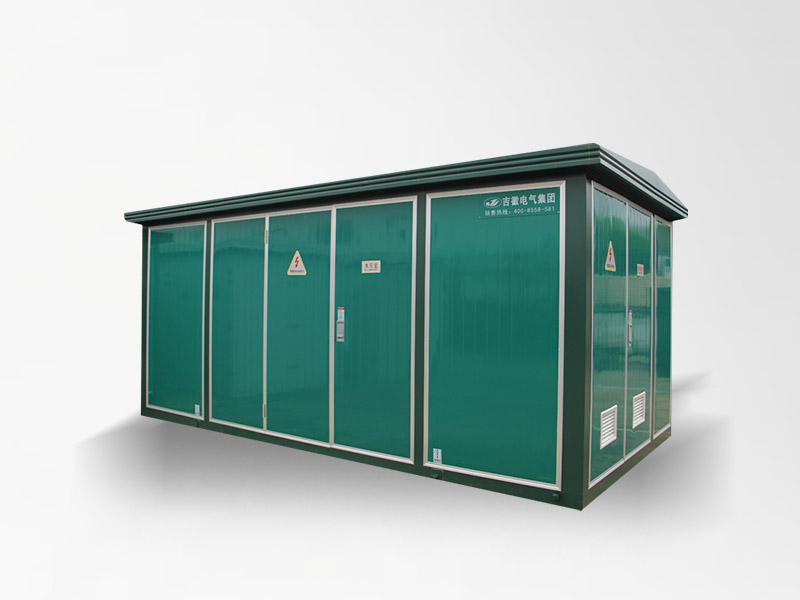
You will notice big differences when you compare compact transformers to standard transformers. Compact transformers use less space and weigh less. You can fit them into small rooms or outdoor cabinets. Standard transformers need much more room and often require special buildings.
Here is a table to help you see the main differences:
Feature | Compact Transformer | Standard Transformer |
|---|---|---|
Size | Small, fits tight spaces | Large, needs more space |
Weight | Lighter, easy to move | Heavier, harder to transport |
Installation | Quick, plug-and-play | Takes longer, needs more work |
Maintenance | Zero-maintenance design | Needs regular checks and servicing |
Efficiency | High, with less energy loss | High, but can lose more energy |
Safety | Fully enclosed, safer for people | May have exposed parts |
You get high performance from both types. Compact transformers use advanced materials and smart designs to keep efficiency high. You also get a sealed enclosure that protects the unit from weather and dust. Standard transformers can handle very large loads, but they need more care and space.
Tip: Choose a compact transformer if you want fast setup, less maintenance, and a smaller footprint.
Use scenarios
You should pick the right transformer for your project. Here are some common use cases:
Use a compact transformer when you work in a city, a factory, or a renewable energy site. You save space and finish projects faster.
Choose a standard transformer for big power plants or places where space is not a problem. You get more options for very high power needs.
Examples:
You can install a compact transformer in a shopping mall, a hospital, or a solar farm.
You can use a standard transformer in a large utility substation or a heavy industry plant.
Note: Compact transformers work best when you need safety, speed, and space-saving solutions. Standard transformers fit best in large, open areas with high power demand.
Considerations and limitations
Selection factors
You need to look at several important factors before choosing a compact transformer for your project. Each site has unique conditions that affect how the transformer works and how long it lasts. You should check the environment and site conditions. Temperature, humidity, altitude, and pollution levels can change how the transformer performs. These factors also influence the insulation design and cooling methods.
You must match the voltage requirements to your application. If you need to reduce high voltage to a usable level, you should select a step-down transformer. Make sure the transformer can handle the load you expect, especially in industrial settings where power demand is high.
Operational costs and maintenance needs matter. You want a transformer that fits your budget and does not require frequent upkeep. Compact transformers often offer zero-maintenance designs, but you should still consider the total cost over time.
Environmental and site conditions
Voltage requirements
Load capacity
Operational costs and maintenance needs
Tip: Always review your site’s conditions and power needs before making a decision. This helps you avoid problems and ensures reliable performance.
Potential drawbacks
You may face some challenges when using compact transformers, especially in demanding environments. Dry-type transformers need regular inspections to prevent unexpected failures. You should keep electrical rooms clean, dry, and well-ventilated. Dust can build up and damage insulation or reduce cooling efficiency.
Routine checks of temperature indicators and fan systems help you spot issues early. Loose connections can cause trouble, so you need to re-tighten them safely. If you notice strange sounds, odors, or too much heat, you should act quickly. For critical facilities, periodic thermal imaging and electrical testing can help you maintain reliability.
Regular inspections for dry-type transformers
Clean and dry electrical rooms
Dust control for better cooling
Routine checks of temperature and fan systems
Safe maintenance for connections
Quick response to unusual signs
Periodic testing for critical sites
Keeping up with these practices helps you get the best performance and longest life from your compact transformer.
You see that compact transformers bring real value to modern energy systems. They save space, lower costs, and improve safety. Here are some key benefits:
Key Benefits | Description |
|---|---|
Space-saving installation | Perfect for crowded urban areas |
Rapid deployment | Preassembled units speed up projects |
Improved efficiency | Optimized layouts reduce energy loss |
Enhanced safety | Integrated designs protect people and the environment |
Economic advantages | Lower costs and faster return on investment |
You can use compact transformers in commercial buildings, solar plants, and energy storage systems. To get started, review your electrical needs, check local standards, and choose the right transformer for your site.
FAQ
What makes a compact transformer different from a standard transformer?
You see a compact transformer uses less space and installs faster. It comes with a sealed enclosure and needs no routine maintenance. Standard transformers are larger and require more upkeep.
Where can you use a compact transformer?
You can use a compact transformer in cities, factories, homes, and renewable energy projects. It fits well in places with limited space and supports solar, wind, and battery systems.
How long does installation take for a compact transformer?
You can install a compact transformer quickly. Most units arrive preassembled. You spend less time on-site, often finishing installation in hours instead of days.
Is a compact transformer safe for outdoor use?
You get a weather-resistant enclosure with a compact transformer. It protects against rain, dust, and sunlight. You can place it outdoors or indoors without worry.
What maintenance does a compact transformer require?
You do not need regular maintenance for most compact transformers. The zero-maintenance design saves you time and money. You only need basic checks for safety.


