


What is the life expectancy of an oil filled transformer
You can expect an oil filled transformer to last between 20 and 30 years. With proper care, some units work for up to 50 years. Many residential electric transformers run for 25 to 30 years. Power pole transformers also reach 25 to 30 years. Electric utility transformers often last 30 to 40 years or more. Changzhou Guanghui Transformer Manufacturing Co.,Ltd. offers Oil-Immersed Transformers known for their reliability and long service life.
Key Takeaways
Oil filled transformers typically last between 20 and 30 years, but with proper maintenance, some can last up to 50 years.
Regular maintenance, including oil quality checks and routine inspections, is crucial for extending the lifespan of your transformer.
Environmental factors like temperature, humidity, and pollution can significantly impact transformer durability; choose a clean and dry installation site.
Monitoring load conditions and avoiding overloading can prevent overheating and reduce wear on the transformer.
Selecting reliable brands with strong warranties, like Changzhou Guanghui, ensures you invest in quality transformers that offer long-term performance.
Oil filled transformer lifespan
Average service life
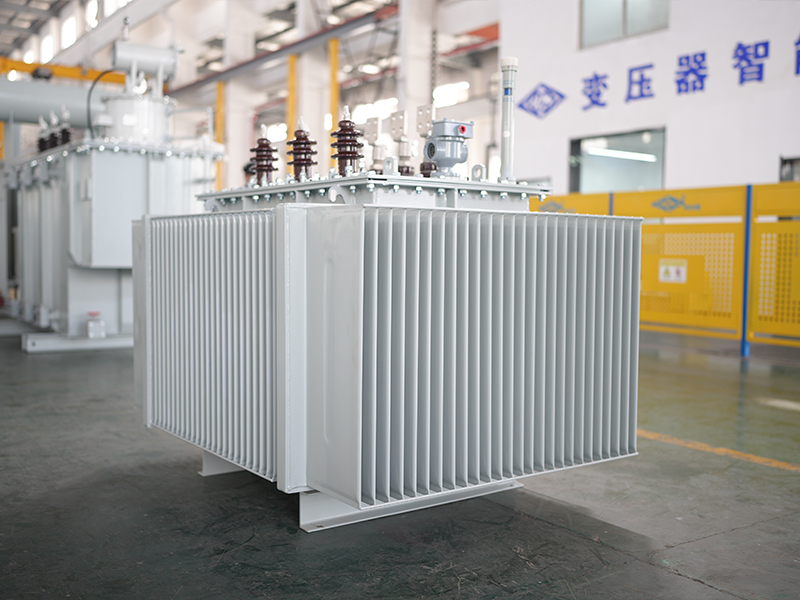
You will find that the average service life of an oil filled transformer depends on several important factors. Most transformers last between 20 and 30 years. Some units reach up to 50 years when you follow proper maintenance routines. You can see these differences in real-world applications. For example, residential transformers often run for 25 to 30 years. Utility transformers sometimes operate for 30 to 40 years or more.
The design and application of each oil filled transformer play a big role in how long it lasts. You can check the table below to see what influences the lifespan:
Factor | Description |
|---|---|
Design | The construction and materials used in the transformer impact its durability and longevity. |
Application | Different uses (residential, utility) lead to varying stress levels and operational demands. |
Usage | Continuous operation and load management affect the wear and tear on transformers. |
Environmental Conditions | Exposure to weather, temperature changes, and humidity can degrade transformer components over time. |
Load Management | Overloading can cause overheating, leading to insulation damage and reduced lifespan. |
Maintenance Practices | Regular inspections and upkeep are essential for preventing failures and extending service life. |
You can extend the life of your transformer by following regular maintenance schedules and monitoring oil quality. Changzhou Guanghui Transformer Manufacturing Co.,Ltd. designs Oil-Immersed Transformers with features that support long-term reliability. Their transformers include periodic maintenance designs and fully sealed structures to help you achieve a longer service life.
Tip: You should always check the oil quality and sealing performance. These steps help prevent early failures and keep your transformer running smoothly.
Industry standards
You will notice that industry standards set clear expectations for transformer lifespan and warranty periods. Most manufacturers expect an oil filled transformer to last at least 20 years. Some units, with proper care, reach 30 years or more. Changzhou Guanghui offers a standard 3-year warranty on its Oil-Immersed Transformers. This warranty covers fault repairs and replacement of core components, giving you peace of mind.
Here is a table showing common warranty periods from different manufacturers:
Manufacturer | Warranty Period |
|---|---|
Reliable Oil Immersed Power Transformer | 10 years |
Remanufactured Transformers | 2 years |
Power Transformer Manufacturers | 18–36 months |
You can see that warranty periods vary. Changzhou Guanghui’s 3-year warranty stands out as a strong commitment to quality and reliability. When you choose a transformer, you should look for brands that offer clear warranty terms and proven durability.
Lifespan factors
Load and usage
You should always pay attention to how much load your transformer carries. If you overload an oil filled transformer, it can overheat and age faster. When you keep the load within safe limits, you slow down insulation aging and reduce the risk of failure. You can see the effects of good load management in the table below:
Factor | Effect |
|---|---|
Lower operating temperature | Slower insulation aging |
Oil protection | Reduced oxidation |
Stable cooling | Less thermal stress cycling |
If you use your transformer wisely, you help it last longer.
Environment
The place where you install your transformer matters a lot. High temperatures, humidity, and pollution can damage transformer parts. For example, hot weather can break down insulation, and moisture can cause rust. Dust and chemicals can block heat from escaping, which leads to overheating. Here are some common environmental risks:
Temperature extremes can speed up insulation damage.
Humidity and moisture may cause corrosion.
Dust and pollution can lead to overheating.
You should choose a clean, dry, and cool location for your transformer to help it last longer.
Maintenance
Regular maintenance is key to a long service life. You should check the oil quality and sealing performance often. Clean oil keeps the transformer cool and insulated. If you test the oil every six months, you can find problems early. Annual dissolved gas analysis helps you spot hidden faults. Good maintenance can prevent most failures and extend the life of your transformer by up to 20%.
Tip: Regular oil testing and moisture removal keep your transformer safe and reliable.
Installation and handling
Proper installation and careful handling protect your transformer from early damage. If you move or install it the wrong way, you can cause shocks or let moisture in. These mistakes can hurt the insulation and shorten the lifespan. You should always follow the correct steps during transportation, assembly, and testing. This ensures your transformer starts its service life in the best condition.
Signs of aging
Physical indicators
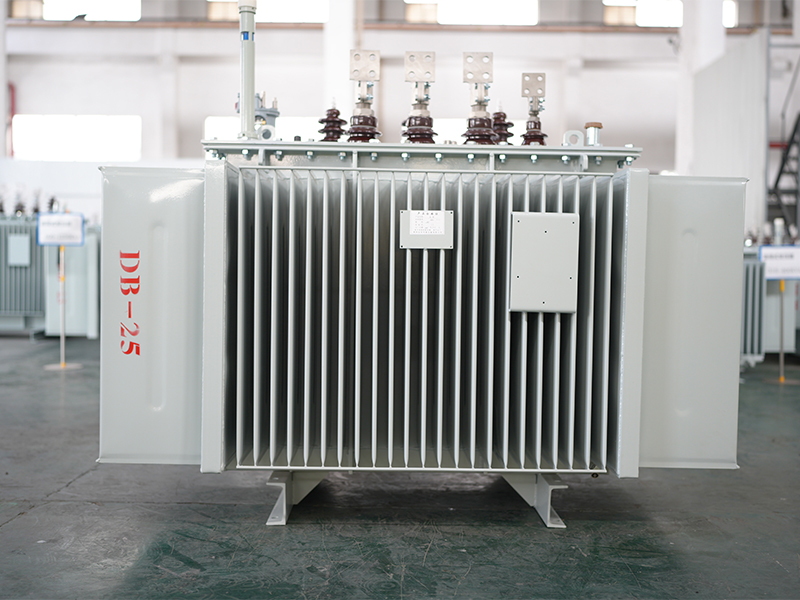
You can spot aging in a transformer by looking for clear physical signs. These signs often show up before major problems happen. For example, you may notice oil leaks, rust, or swelling on the tank. Discoloration of the oil or bushings can also signal trouble. Overheating marks or burnt smells mean the transformer is under stress. If you see cracks or bulges, you should act quickly.
Here is a table showing common physical indicators and what they mean:
Indicator | Description | Implications of Aging |
|---|---|---|
Oil Leaks | Oil escapes from seals or joints | Loss of insulation and cooling, risk of failure |
Discoloration | Oil or bushings change color | Possible overheating or contamination |
Rust and Corrosion | Metal parts show rust or corrosion | Weakens structure, leads to leaks |
Swelling or Bulging | Tank or bushings appear swollen | Internal pressure or gas buildup |
Overheating Marks | Burnt spots or smells | High temperature stress |
Note: You should check for these signs during routine inspections. Early detection helps you prevent costly repairs.
Performance changes
You may notice changes in how your transformer works as it ages. These changes often signal deeper issues. For example, the transformer may trip more often or show abnormal readings. Efficiency drops, and the unit may not handle loads as well as before. Insulation resistance falls, and partial discharge activity rises. Oil quality changes, such as darkening or increased acidity, also point to aging.
Here is a table that highlights performance indicators:
Indicator | Description |
|---|---|
Frequent Protection Trips | Transformer shuts down more often to protect itself |
Declining Insulation Resistance | Lower resistance values show insulation is breaking down |
Increased Partial Discharge Activity | More electrical noise inside means internal deterioration |
Abnormal Oil Quality Changes | Oil gets darker or more acidic, showing it is breaking down |
Increased Load Losses | Transformer loses more energy, showing windings are aging |
Tip: You should monitor these performance changes closely. They help you spot problems before they become serious.
Oil analysis
You can use oil analysis to check the health of your oil filled transformer. Oil tests reveal hidden faults and aging signs. Common tests include dielectric breakdown voltage, moisture analysis, acidity testing, dissolved gas analysis, and furan analysis. Each test serves a special purpose.
Dielectric breakdown voltage measures insulation strength.
Moisture analysis detects water contamination.
Acidity testing identifies oil aging.
Dissolved gas analysis finds internal faults.
Furan analysis evaluates paper insulation aging.
You should also use Tan Delta to check insulation health, DGA to detect faults, and BDV to check oil strength. Regular oil analysis helps you catch problems early and extend the life of your transformer.
Callout: Oil analysis is a powerful tool. It helps you keep your transformer safe and reliable.
Extending service life
Maintenance tips
You can keep your oil filled transformer running longer by following smart maintenance practices. Routine inspections help you spot early signs of wear and keep everything working well. Regular oil testing and treatment maintain strong insulation and remove moisture or dirt. Preventive maintenance lets you fix small problems before they grow. The table below shows some key tips:
Maintenance Tip | Description |
|---|---|
Routine Inspections | Find early signs of trouble and keep the transformer in top shape. |
Regular Oil Testing and Treatment | Keep oil clean and strong to protect insulation. |
Preventive Maintenance | Fix small issues early and slow down aging. |
Changzhou Guanghui’s Oil-Immersed Transformers use a periodic maintenance design. This feature makes it easier for you to check oil quality and sealing performance, which helps extend service life.
Tip: Always follow the recommended schedule for oil checks and maintenance. This keeps your transformer safe and reliable.
Monitoring routines
You should set up regular monitoring routines to catch problems early. Start with visual inspections every month. Look for leaks, rust, or swelling. Operational checks every three to six months help you track load, voltage, and temperature. Oil testing once a year, or more often for critical units, reveals hidden issues. Use dissolved gas analysis (DGA) every 6–12 months for important transformers. Infrared thermography once a year can spot hot spots before they cause trouble.
Visual inspections: Monthly
Operational checks: Every 3–6 months
Oil testing: Annually or as needed
DGA: Every 6–12 months
Infrared thermography: Annually
Note: Modern transformers often include fully sealed designs. These features keep oil stable and block air, which helps prevent aging and boosts reliability.
Upgrades and retrofits
You can extend the life of your transformer by making smart upgrades. Regular oil analysis helps you find problems early. Effective cooling systems keep temperatures low and prevent overheating. Timely inspections and the use of diagnostic tools, like modern monitoring systems, give you early warnings about possible failures. Avoid overloading your transformer to reduce stress and slow down aging.
Maintenance Practice | Description |
|---|---|
Regular Oil Analysis | Checks oil quality and finds issues early. |
Effective Cooling | Keeps the transformer at a safe temperature. |
Timely Inspections | Spots problems before they get worse. |
Use of Diagnostic Technologies | Lets you monitor and detect issues early. |
Avoid Overloading | Reduces stress and extends lifespan. |
Many modern transformers, with proper care, can last 30 to 50 years or more. Fully sealed features, such as metal bellows or nitrogen systems, keep oil pure and stable. This design helps your oil filled transformer stay reliable for decades.
You can expect an oil filled transformer to last between 20 and 30 years. Lifespan depends on several factors:
Load conditions
Maintenance routines
Environmental stress
Quality of insulating oil
Cooling systems
Regular maintenance and monitoring help you prevent problems. You should choose reliable brands like Changzhou Guanghui for long-lasting solutions. With proper care, your transformer can serve you for decades.
FAQ
How often should you check transformer oil?
You should check transformer oil at least once every six months. Regular checks help you spot problems early. Clean oil keeps your transformer safe and working well.
What is the main cause of transformer failure?
Overloading and poor maintenance cause most transformer failures. You can prevent many issues by keeping the load within safe limits and following a regular maintenance schedule.
Can you extend a transformer's life with upgrades?
Yes, you can. Upgrades like better cooling systems, modern monitoring tools, and improved sealing help your transformer last longer.
What does a fully sealed transformer mean?
A fully sealed transformer keeps air and moisture out. This design protects the oil and parts inside. You get better reliability and less maintenance.
Please Contact Us!
Recommended Products
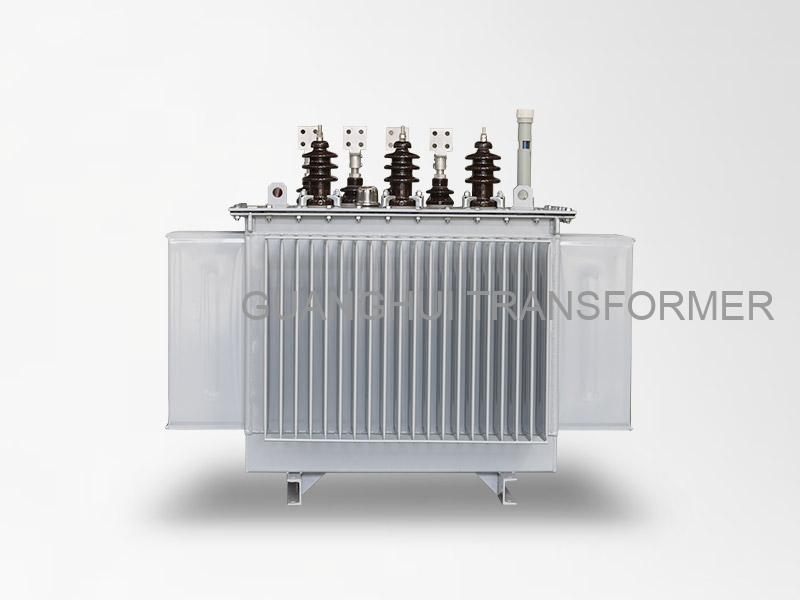
300kva Fully Sealed Oil Immersed Transformer

Oil-Immersed Transformer with Conservator (S11/S13 & SZ11)

Three-Phase Wound Core Transformer (S13-M.RL Series)
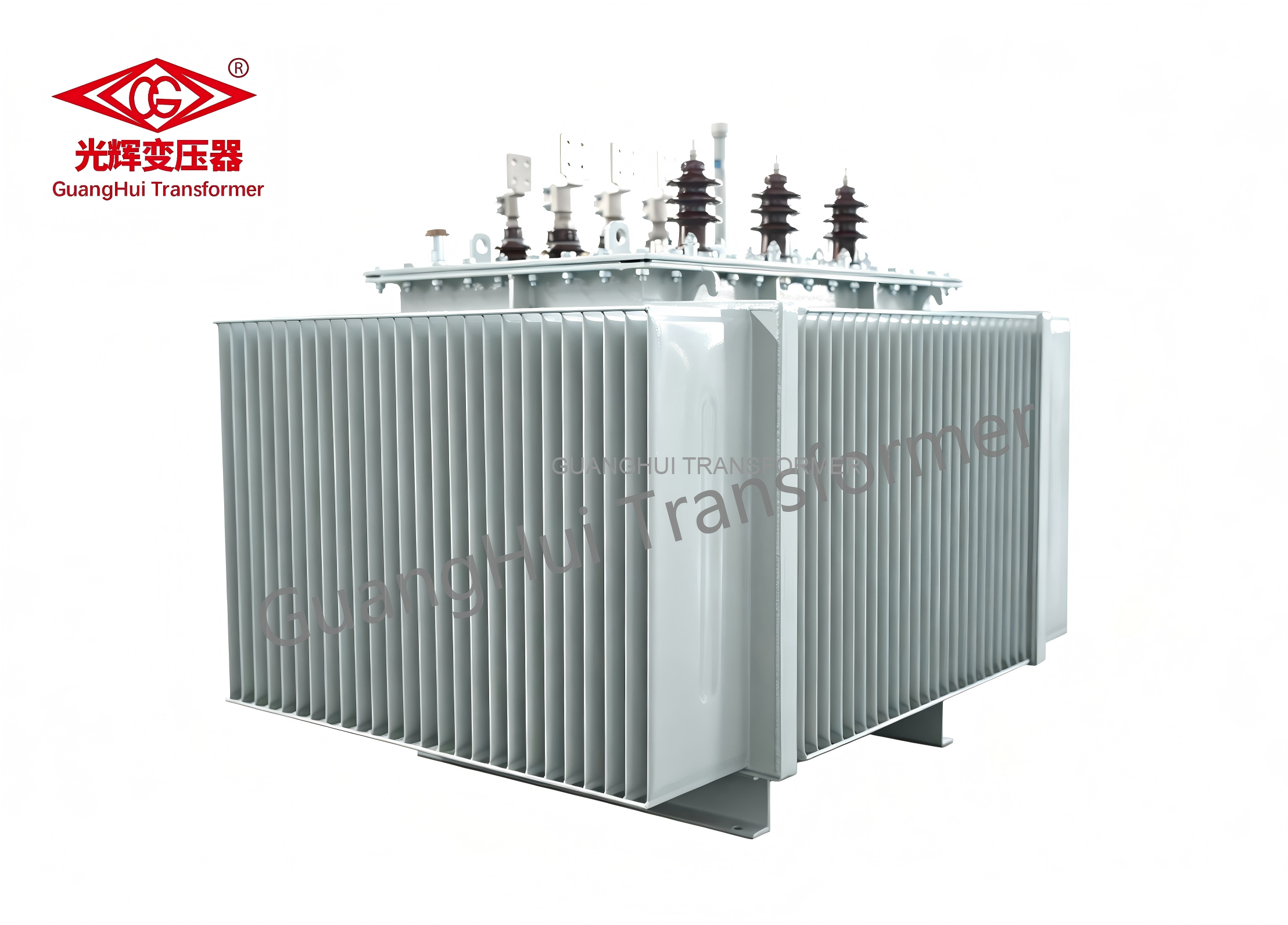
35KV Oil-Immersed Power Transformer (Full Copper S20 Series 160-3150kVA)

1000 kVA Oil Filled Transformer
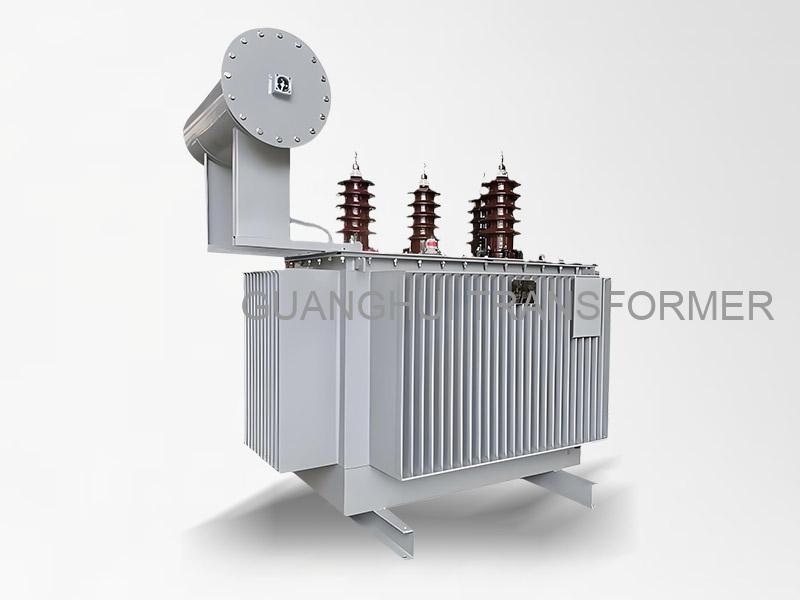
500kVA Oil-Immersed Transformer (S13-500/10)


