How does an oil immersed transformer work
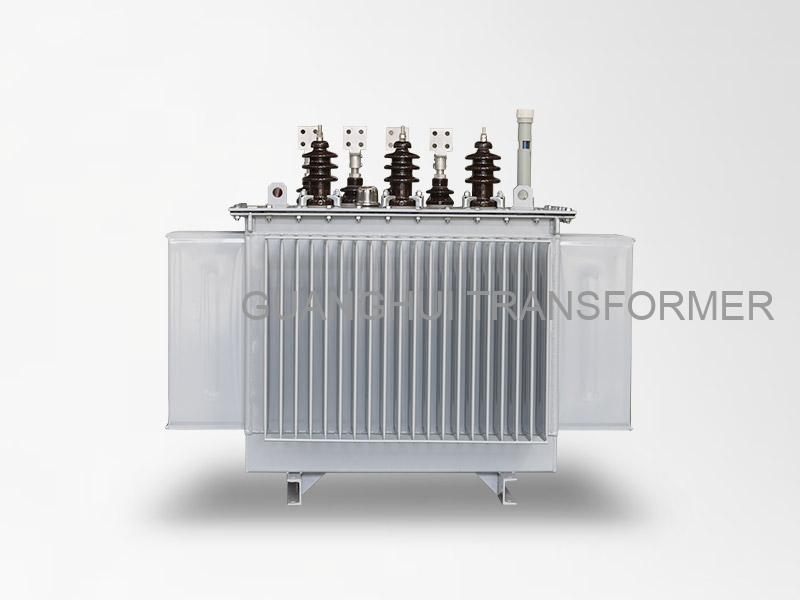
You see an oil immersed transformer in many electrical systems. The oil inside keeps the transformer cool and stops electricity from leaking. Heat builds up when electricity flows through the windings. The oil absorbs this heat and spreads it out. The oil also acts as a barrier, helping the transformer work safely and reliably. People use these transformers because they last long and handle heavy loads.
Key Takeaways
Oil immersed transformers use oil for cooling and insulation, ensuring safe and efficient operation.
Regular maintenance of transformer oil is crucial; check its breakdown voltage and moisture levels to prevent failures.
These transformers are ideal for outdoor use in high-voltage applications, providing reliable power for industries and power distribution.
Understanding the differences between oil immersed and dry-type transformers helps you choose the right solution for your needs.
Efficient heat dissipation in oil immersed transformers allows them to handle heavy loads, enhancing their longevity and performance.
What is an oil immersed transformer
Definition and purpose
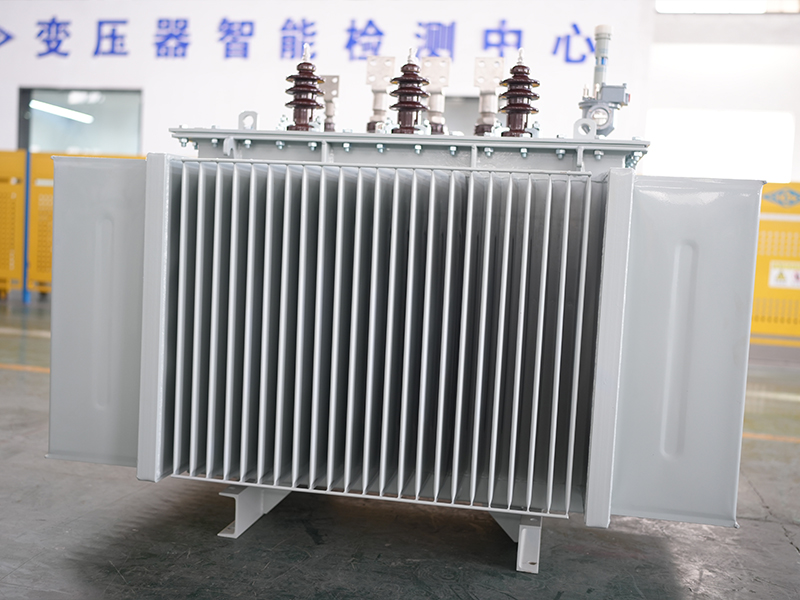
You use an oil immersed transformer to change voltage levels in electrical systems. This device helps you move electricity safely from one place to another. The main purpose is to protect the transformer and keep it running smoothly. Oil surrounds the core and windings. The oil absorbs heat and prevents electrical faults. You rely on this transformer for stable power in homes, factories, and power stations. The oil also acts as an insulator, stopping electricity from escaping. You find oil immersed transformers in places where high voltage and heavy loads are common.
Comparison with dry-type transformers
You might wonder how an oil immersed transformer differs from a dry-type transformer. The biggest difference lies in the cooling and insulation method. Dry-type transformers use air or solid materials like epoxy to cool and insulate the windings. Oil immersed transformers use oil for both cooling and insulation.
Cooling Medium:
Dry-type transformers use air to cool the windings. Air moves around the parts and carries away heat. This makes dry-type transformers safer for indoor spaces.
Oil immersed transformers use oil to absorb heat from the windings. The oil transfers heat to the tank walls, which then release it into the air.
You can see more differences in the table below:
Feature | Dry-Type Transformer | Oil-Immersed Transformer |
|---|---|---|
Cooling & Insulation Medium | Air or solid insulation | Oil for cooling and insulation |
Installation Environment | Indoor (offices, hospitals) | Outdoor (substations, factories) |
Fire Safety | Excellent | Higher fire risk |
Maintenance Requirement | Low | Requires oil checks |
Voltage & Capacity Range | Below 35 kV, small-to-medium | Above 35 kV, large capacity |
Efficiency & Losses | Higher losses | Better heat dissipation |
Environmental Impact | Eco-friendly | Oil contamination risk |
Operational Cost | Higher initial, lower maintenance | Lower initial, higher maintenance |
Recommended Applications | Indoor, fire-sensitive zones | Outdoor, industrial, power systems |
You choose dry-type transformers for indoor areas where safety matters most. You pick oil immersed transformers for outdoor and high-power jobs. Each type fits different needs in the electrical world.
Working principle of oil immersed transformer
Electromagnetic induction
You can understand the operation of an oil immersed transformer by looking at electromagnetic induction. This process lets the transformer change voltage levels safely and efficiently. Here is how it works:
You apply a high voltage to the primary winding.
The current in the primary winding creates a magnetic field inside the iron core.
This magnetic field passes through the core and reaches the secondary winding.
The changing magnetic field induces a voltage in the secondary winding.
The secondary winding then delivers the output voltage, which you can use for homes, factories, or other equipment.
You see this process in every oil immersed transformer. The transformer uses electromagnetic induction to transfer energy from one winding to another. The frequency of the electricity stays the same, but the voltage changes to match your needs.
The oil inside the transformer plays a big role during this process. The oil acts as an electrical insulator. It prevents short circuits and stops electricity from jumping between the windings and the metal tank. The oil has high dielectric strength, so it can handle strong electric fields without breaking down. The oil also soaks into the paper insulation around the windings, making the whole system safer.
Tip: The oil not only insulates but also protects the transformer from electrical faults.
Energy transfer between windings
When you use an oil immersed transformer, you want efficient energy transfer. The transformer achieves this by using the magnetic field created in the core. The energy moves from the primary winding to the secondary winding with very little loss. In most high-capacity transformers, you can expect efficiency levels above 98%. This means almost all the energy you put in comes out on the other side.
The oil helps keep this process safe and reliable. As electricity flows through the windings, some energy turns into heat. The oil absorbs this heat and moves it away from the windings. The oil rises as it heats up and cools down as it moves to the outer parts of the tank. This natural circulation keeps the transformer from overheating.
The oil absorbs heat from the windings.
It moves upward when hot and flows back down as it cools.
The oil spreads the heat to the tank walls, where it escapes into the air.
You can see that the oil immersed transformer depends on oil for both insulation and cooling. This design lets you use the transformer for heavy loads and high voltages without worrying about safety or performance.
Components of oil immersed transformer
Iron core
You find the iron core at the center of every oil immersed transformer. The core guides the magnetic field between the windings. Manufacturers use high-grade grain-oriented silicon steel for the core. This material keeps losses low and improves performance.
Material Type | Description |
|---|---|
High-grade grain-oriented silicon steel | This material offers excellent magnetic properties and low core loss, ensuring optimal performance in transformers. |
Windings
You see windings wrapped around the iron core. These windings carry the electrical current. The primary winding receives electricity, and the secondary winding delivers the changed voltage. Copper or aluminum wires make up the windings. Insulation covers the wires to prevent short circuits.
Transformer oil
Transformer oil fills the tank and surrounds the core and windings. The oil acts as both a coolant and an insulator. You often use mineral oil because it has a dielectric strength greater than 30 kV when new. Aviation hydraulic oil also works well in some cases. The oil resists electrical stress and prevents breakdown.
Dielectric strength of mineral oil (transformer oil) is greater than 30 kV when new.
The dielectric strength indicates the oil's ability to resist electrical stress and prevent breakdown.
ASTM D877 and ASTM D1816 are common tests for oil quality.
Note: The oil keeps the transformer safe and cool during operation.
Tank and shell
The tank holds the oil and keeps the transformer parts protected. Most tanks use carbon steel plates. The thickness depends on the size and voltage level. Small transformers have tanks about 3-5 mm thick. Large high-voltage transformers use tanks up to 8-12 mm thick. The shell prevents oil leaks and shields the transformer from outside damage.
Most tanks are fabricated from carbon steel plates.
The wall thickness of oil tanks varies based on transformer size and voltage level.
Cooling system
The cooling system helps remove heat from the transformer. You find several cooling methods in oil immersed transformers.
Cooling Method | Description |
|---|---|
ONAN | Utilizes natural oil circulation for smaller transformers, relying on the natural rise and fall of oil to dissipate heat. |
ONAF | Enhances ONAN with forced air from fans to improve heat dissipation for larger transformers. |
OFAF | Uses forced oil circulation and air cooling for large power transformers, providing high cooling efficiency. |
OFWF | Employs forced oil and water cooling for very high-capacity transformers, offering exceptional heat removal performance. |
Protective devices
You rely on protective devices to keep the transformer safe. These devices monitor and respond to problems.
Pressure relief device
Oil level indicator
Temperature indicator
Gas-operated relay
Sudden pressure relay
Each component works together to make the oil immersed transformer reliable and efficient.
Role of transformer oil
Insulation
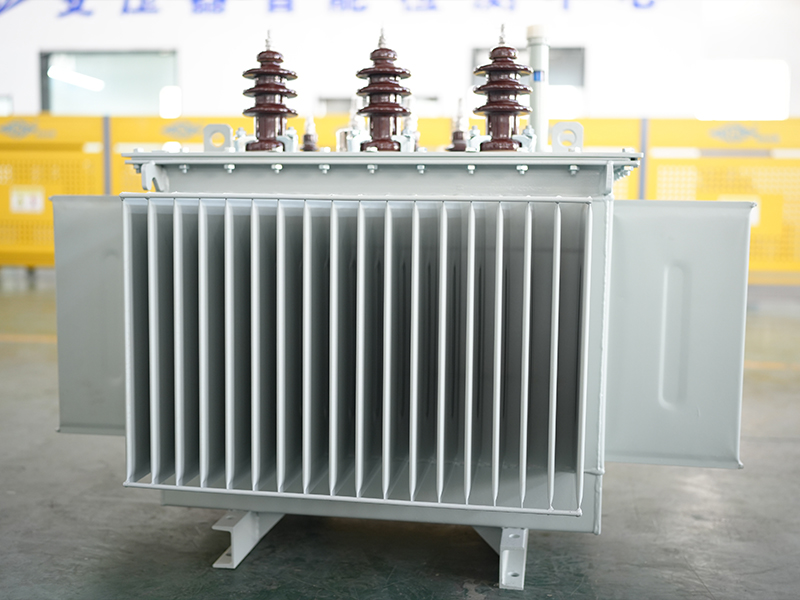
You depend on transformer oil to keep the electrical parts inside safe. The oil surrounds the windings and core, creating a strong barrier that stops electricity from jumping between metal parts. This barrier prevents short circuits and electrical breakdowns. When you use an oil immersed transformer, you want the oil to have a high breakdown voltage. New treated oil usually reaches above 60 kV. In-service oil should stay above 30 kV to 40 kV, depending on the transformer's needs. If the oil gets dirty or absorbs moisture, its insulating power drops. This can lead to dangerous arcing, where electricity jumps across gaps. Clean, dry oil keeps your transformer safe and reliable.
New oil (as received): above 30 kV
New oil (treated): 60–70 kV
In-service (good): 40–50 kV
In-service (fair): 30–40 kV
In-service (poor): below 30 kV
Tip: Always check the oil’s breakdown voltage to make sure your transformer stays protected.
Cooling
Transformer oil does more than insulate. It also cools the transformer during operation. When electricity flows through the windings and core, they heat up. The oil absorbs this heat and moves upward. As the hot oil rises, it reaches the radiators on the tank, where it cools down. The cooled oil then sinks and flows back to the bottom, starting the cycle again. This natural movement keeps the temperature stable, even when the transformer handles heavy loads.
Windings and core produce heat.
Oil absorbs the heat.
Heated oil rises.
Radiators release the heat into the air.
Cooled oil sinks and circulates back.
This process helps your oil immersed transformer run smoothly, even during long or high-demand periods.
Oil maintenance
You need to take care of the transformer oil to keep your equipment working well. Regular maintenance includes checking the oil’s breakdown voltage, moisture level, and acidity. You also test for dissolved gases and signs of aging. If you find problems, you may need to filter, dry, or replace the oil. Good oil maintenance prevents failures and extends the life of your transformer.
Procedure | Description |
|---|---|
Oil Replacement | Drain old oil, flush the tank, and refill with fresh oil. |
Routine Monitoring | Test for breakdown voltage, moisture, acidity, and dissolved gases. |
Preventive Maintenance | Use filtration, centrifuging, or vacuum dehydration to clean the oil. |
Sampling Procedures | Collect oil samples carefully for accurate testing. |
Note: Regular oil checks help you avoid costly repairs and keep your transformer safe.
Oil immersed transformer in power distribution
Reliability
You depend on oil immersed transformers for reliable power delivery. These transformers handle changing loads without trouble. The oil inside keeps the temperature steady, even when the load increases. You can trust the insulation strength of the oil to stop voltage spikes and prevent flashovers. Regular checks and maintenance help you spot problems early. When you take care of your transformer, you can expect it to last between 20 and 40 years. Some large utility transformers work for more than 40 years. You get strong protection against short circuits and mechanical stress, so your power stays on when you need it most.
Tip: Good cooling and strong insulation help your transformer work safely for decades.
Efficiency
You want your power system to waste as little energy as possible. Oil immersed transformers give you high efficiency and low losses. The oil cools the windings and core, so the transformer can handle heavy loads for long periods. This cooling lets you run the transformer at up to 150% of its rated load when needed. The table below shows how oil immersed transformers compare to dry-type transformers:
Transformer Type | Efficiency Characteristics |
|---|---|
Oil-Immersed Transformers | Higher thermal efficiency, better heat dissipation |
Dry-Type Transformers | Slightly higher losses due to air cooling limitations |
The oil also helps control the temperature, which protects the windings and insulation. Without good cooling, you would need to lower the transformer’s capacity, and that would reduce efficiency in your power system.
Applications
You see oil immersed transformers in many places. They work in power distribution networks, where they step up or step down voltage at substations. You find them in industrial plants, where they power large machines and production lines. Renewable energy systems, such as solar farms and wind power plants, use these transformers to control voltage before sending electricity to the grid. Oil and gas facilities rely on them for steady power on offshore platforms and in refineries. High-rise buildings, malls, and data centers also use these transformers to keep the lights on and equipment running.
Note: You choose oil immersed transformers when you need reliable, efficient, and long-lasting power solutions.
You gain many benefits when you choose an oil immersed transformer for power distribution:
Superior insulation handles high voltages.
Efficient heat dissipation extends service life.
Cost-effectiveness lowers total expenses.
Reliable operation in harsh environments.
Quiet performance suits urban areas.
Transformer oil keeps your system safe and cool. It provides insulation, cooling, and fault protection, as shown below:
Challenge | Requirement |
|---|---|
High voltage | Reliable insulation |
Heat generation | Effective cooling |
Long service life | Stable operating environment |
Fault protection | Dielectric integrity |
You support modern cities and industries with these transformers. Understanding their role helps you appreciate their value in today’s electrical networks.
FAQ
What is the main purpose of transformer oil?
You use transformer oil to keep the transformer cool and safe. The oil absorbs heat from the windings and core. It also stops electricity from jumping between parts. This helps your transformer work reliably.
How often should you check transformer oil?
You should check transformer oil every year. Regular testing helps you spot problems early. You look for moisture, acidity, and breakdown voltage. Good oil maintenance keeps your transformer running longer.
Can you use oil immersed transformers indoors?
You usually install oil immersed transformers outdoors. The oil can catch fire if it leaks. Dry-type transformers work better indoors because they use air for cooling and have lower fire risk.
What happens if transformer oil gets dirty?
Dirty oil loses its insulating power. You risk short circuits and overheating. You need to filter or replace the oil to keep your transformer safe. Clean oil protects your equipment and prevents failures.
Which industries use oil immersed transformers?
You find oil immersed transformers in power stations, factories, malls, and renewable energy plants. These transformers handle high voltage and heavy loads. You rely on them for stable and efficient power.