


Why direct factory specialty transformer sourcing reduces overall capital project costs
You need every dollar in your capital project budget to work harder. Sourcing specialty transformer equipment directly from the factory cuts your total project costs through four mechanisms: removing middleman markups, reducing overhead, shortening lead times, and enabling affordable customization.
This post breaks down each cost-reduction mechanism. You will see how direct sourcing compares to traditional distributor channels. Transformer costs ripple into your schedule, labor, and commissioning expenses. A delayed unit can stall your entire site.
The math is simple. Every intermediary layer adds cost without adding engineering value. Every week of delay extends your site overhead. Direct factory relationships change that equation in your favor.
Key Takeaways
You save 10-50% on procurement costs by buying transformers directly from the factory.
Direct factory sourcing cuts project delays and avoids costly penalties.
Factory engineers customize your transformer at no extra design cost.
You get better quality control and fewer shipping problems with direct sourcing.
These savings improve your project's return on investment and budget.
Eliminating markups on specialty transformer sourcing
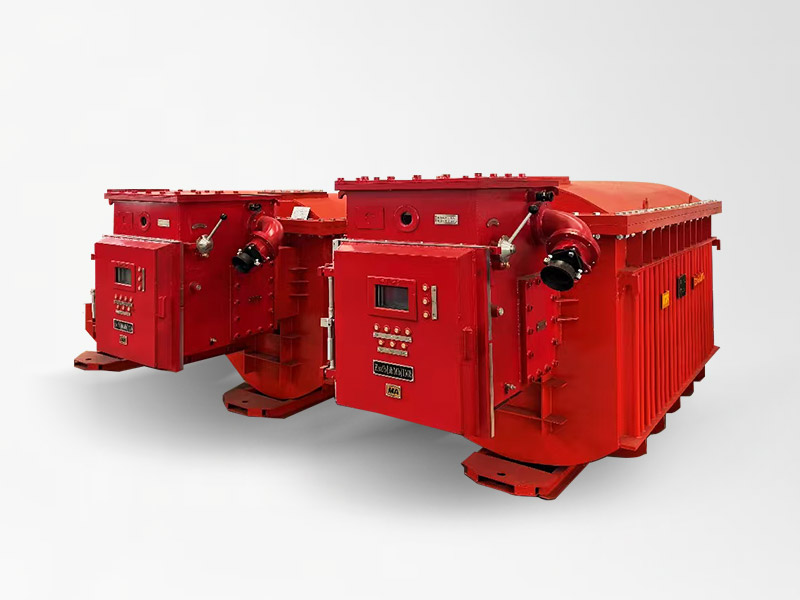
How distributor markups inflate pricing
Every intermediary layer in your supply chain adds a percentage markup. Agents, distributors, and importers each take their cut. None of them add engineering value to the unit you receive. They process paperwork, hold inventory, and forward communications. You pay for all of it.
Patrick Tarver, owner of Bolt Electrical LLC, described his firm as a distributor/middleman and said he typically adds 12% to 15% to the factory cost for his services, including staying involved through warranty support.
That markup compounds fast. A distributor buys from an importer. The importer buys from an agent. The agent buys from the factory. Each layer applies its own margin. Your project budget absorbs every one of them.
The scale of this problem is enormous. Distributor markups represent 10–30% of the materials budget on capital projects. Categories purchased without competitive visibility account for 50–65% of total materials spend. At an industry annual capital spend of $1.4T, this markup structure becomes a material affordability threat. Billions of dollars flow out of productive uses like grid hardening and transmission expansion. Historically, $100B per year in markups was absorbable. At $1.4T, it is not.
What factory-direct pricing reveals
When you buy a specialty transformer directly from the manufacturer, you see the real price. The factory quotes you the actual cost of engineering, materials, and assembly. No hidden layers inflate that number.
The savings are substantial. Factory-direct materials eliminate distributor markups and embedded subcontractor fees, delivering 10–50% savings on procurement costs. Total project cost reduction reaches 5–10% or more. That improvement directly boosts your Yield-on-Cost and Internal Rate of Return. You also gain price lock-in that protects your budget from market volatility, tariff increases, and supply disruptions.
Manufacturers closer to end-users respond faster to design changes. You call the factory engineer directly. You get an answer in hours, not weeks. This speed reduces your total project risk and cost exposure. A design revision that once took a month of back-and-forth now closes in days.
Changzhou Guanghui Transformer Manufacturing Co., Ltd. exemplifies this direct model. This factory sells directly to project owners. You work with their engineers from consultation through commissioning. No middleman stands between your specifications and the production floor. The result is a specialty transformer built to your exact requirements at a transparent price.
Cutting lead times and delay costs
Faster factory scheduling
When you order through a distributor, your request enters a queue. The distributor processes the order, then contacts the factory. The factory schedules production. Any question or change restarts that communication loop. Each handoff adds days or weeks to your timeline.
Direct factory scheduling removes those handoffs. You place your order with the manufacturer. Their production team slots your specialty transformer into the build schedule immediately. Design questions reach the engineer who will actually build your unit. Answers come back the same day. This direct line compresses your procurement timeline significantly.
Constrained factory capacity makes this relationship even more valuable. Transformer manufacturers face limited production slots. Long qualification cycles mean you cannot simply switch suppliers when delays hit. A direct relationship with the factory gives you priority access to available capacity. You secure your slot earlier and protect your project schedule.
The real cost of project delays
Every day of delay drains your budget. Industry guidance puts the daily cost of a construction delay between $1,000 and $10,000 or more per day. This covers extended general conditions, idle labor, equipment rental, and liquidated damages. On a $20 million commercial project, extended general conditions alone run $5,000 to $8,000 per calendar day. Twenty weather delay days produce $100,000 to $160,000 in overhead before any recovery efforts.
Penalty clauses compound this pain. Delay liquidated damages typically range from 0.1% to 0.5% of contract price per day. Overall caps reach 5% to 10% of total contract value. In practice, daily charges of $50,000 to $500,000 are commonly observed. A missed commissioning window triggers these penalties immediately.
Financing costs also rise. Lenders increasingly require a confirmed transformer delivery date before releasing funds. Projects without confirmed equipment delivery face spread premiums of 25 to 50 basis points on construction debt. Delayed energization causes multi-million-dollar-per-month revenue loss. A supply-chain delay becomes a cash-flow crisis.
Custom specialty transformer engineering at no extra cost
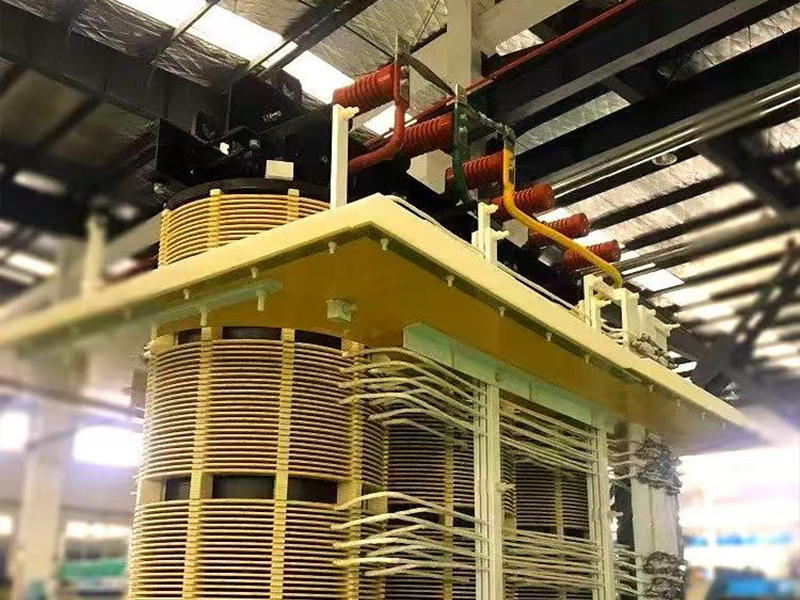
Factory engineers customize at lower cost
When you order through a distributor, you pay for two separate design processes. The distributor's engineer translates your needs into a request. The factory then reinterprets that request to build the unit. Each step adds cost. Each step creates room for error.
Direct factory sourcing collapses those two steps into one. The same engineers who build your transformer design it from the start. They work directly with your project team. No translator sits between your specifications and the production floor. No separate design fee appears on your invoice. The factory designs to your specification as part of the manufacturing process. You skip the costly middleman in engineering as well as procurement.
The process flows naturally from your requirements. It starts with a technical consultation about your application, load profile, and environmental conditions. Next comes advanced 3D CAD modeling and electromagnetic simulation. You see a virtual version of your transformer before any metal gets cut. The manufacturer performs a comprehensive design review with electrical calculations and thermal analysis. Only then does production begin.
Each manufacturing stage includes quality checks. Materials like silicon steel, copper windings, and insulation undergo strict incoming inspection. In-process controls verify consistent quality at every step. Factory testing follows IEC and IEEE standards. Routine, type, and special tests confirm every specification.
Installation support and commissioning services close the loop. The factory provides on-site guidance for setup and connection. They handle energization and load testing. Staff training and lifetime technical support come as part of the package. You get a complete solution from one source. This integrated approach eliminates the cost of an outside engineering consultant entirely.
Reducing engineering expenses
The savings extend well beyond the design phase. A custom-built unit operates more efficiently than a standard model designed for general use. You optimize parameters like turns ratio, core material, and thermal performance for your exact application. The result is lower energy loss and better efficiency over the entire life of the equipment.
Standard alternatives cannot match this performance. They are built for average conditions. They waste energy because they compromise on design parameters to serve many different applications. Custom units avoid those compromises completely. The table below shows the difference clearly.
Aspect | Custom-designed unit | Standard alternative |
|---|---|---|
Energy loss | Low energy loss due to customization | Higher energy loss from general-use design |
Efficiency | Better efficiency through optimized parameters | Built for general use, not your application |
Stability | Higher stability | Not specified |
Cost impact | Lower long-term operating costs | Higher long-term costs implied |
Design optimization | Parameters optimized for your needs | General-purpose design limits optimization |
Additional benefits | Improved reliability and more compact design | Not specified |
Custom adaptability means your unit fits the physical space you have. Energy-saving performance cuts your electricity bill every year. Reliable durability protects you from unplanned outages and lost production time. You can get up to 50kA secondary current for heavy industrial loads. K-Factor design handles harmonic mitigation without adding external filter equipment. These benefits come standard when you work directly with the factory engineering team.
Product examples demonstrate the value of this approach. Traction transformers serve railway transit by stepping down grid voltage for electric locomotives with extreme reliability under frequent short circuits. Rectifier transformers supply stable DC power for industrial processes like electrolysis and electroplating with built-in harmonic suppression. Custom special purpose transformers handle extreme environments like high-altitude mining, battery energy storage systems, and EV charging stations. Each unit matches the specific demands of its application exactly.
Direct factory sourcing gives you custom engineering as part of the purchase price. You get a transformer built for your project, not adapted from something else. Your budget avoids the costly gap between standard equipment and actual site requirements. The engineering expense shrinks while the performance improves.
Lower logistics, quality, and rework expenses
Streamlined shipping and handling
Every extra stop your transformer makes on the way to your site adds cost. Distributors warehouse units, repackage them for resale, and handle them multiple times. Each touch point increases the risk of damage. Each warehouse stay adds storage fees and insurance costs. You pay for all of it.
Factory-direct shipping eliminates those steps. Your specialty transformer leaves the production floor and goes straight to your project site. No intermediate warehouse. No repackaging. No repeated lifting and moving. The unit arrives in the same condition it left the factory. You avoid damage claims, replacement delays, and the labor costs of resolving shipping disputes.
Tighter quality control reduces rework
A lower-priced transformer often hides inferior materials. Manufacturers cut costs with lower-grade core steel, less efficient winding designs, or subpar insulation. These shortcuts save money upfront. They cost you far more over the equipment's life. Higher energy losses, frequent failures, and premature replacement drain your operating budget.
Factory-level testing catches problems before they reach your site. The manufacturer runs routine, type, and special tests to IEC and IEEE standards. They verify every specification before shipment. This rigorous quality control reduces rework, warranty claims, and unplanned outages. You avoid the labor costs of field repairs and the revenue loss from downtime.
Reliability matters most in demanding applications. High-altitude mining operations cannot tolerate transformer failures. Battery energy storage systems need consistent performance for grid stability. EV charging stations require dependable power around the clock. A factory that tests thoroughly and stands behind its work protects your project in these critical environments.
Direct sourcing cuts your logistics expenses and your quality risks at the same time. You get a unit built right, shipped clean, and backed by the people who made it.
You now have a clear picture of where direct factory sourcing cuts your costs. Eliminated markups, shorter lead times, free customization, reduced logistics, stronger quality control, and direct technical support all work in your favor. These savings compound across your entire capital project budget. They do not stop at the transformer line item.
Make direct factory sourcing your standard approach for specialty transformer procurement. This strategy aligns with leaner capital project execution. You gain transparent pricing, faster schedules, and engineering support from the people who build your equipment. Evaluate it on your next project.
FAQ
How much can you save by buying specialty transformers directly from the factory?
You eliminate distributor markups that typically add 10–30% to your materials budget. Factory-direct procurement delivers 10–50% savings on procurement costs. Your total project cost drops by 5–10% or more. These savings improve your Yield-on-Cost and Internal Rate of Return.
Can the factory customize a specialty transformer for your specific application?
Yes. Factory engineers design to your specification as part of manufacturing. You get consultation, 3D CAD modeling, electromagnetic simulation, and full testing. Custom units handle up to 50kA secondary current. K-Factor design manages harmonic mitigation. Traction, rectifier, and special purpose transformers all come built for your exact operating conditions.
What happens if your project schedule slips while waiting for a transformer?
Delay costs run $1,000 to $10,000 or more per day. Liquidated damages reach 0.1% to 0.5% of contract price daily. Lenders may charge higher interest without a confirmed delivery date. Direct factory scheduling removes distributor queue time and protects your commissioning window.
Does factory-direct sourcing compromise transformer quality?
No. Factory-level testing follows IEC and IEEE standards. Routine, type, and special tests verify every specification before shipment. This rigorous quality control reduces rework, warranty claims, and unplanned outages. You avoid the inferior core materials and subpar insulation that cut-rate suppliers use.
What technical support do you receive when buying direct?
You work with the same engineers who build your transformer. They provide installation guidance, commissioning services, energization support, and load testing. Staff training and lifetime technical support come included. No middleman stands between your questions and the people who know your equipment.


